Source (book): "In The Beginning", Tracing The Gospel Story In Genesis, Chapter 8, "God's Rainbow (Genesis 7:11-9:29)", Question 1, "Noah and his family released from the ark", Page 65.
By Robert M. Solomon, Bishop of the Methodist Church in Singapore from 2000 - 2012
By Robert M. Solomon, Bishop of the Methodist Church in Singapore from 2000 - 2012

PHOTO: The longest stretch of continuous rain in the 20th century took place in Maui, Hawaii. It rained non-stop for 331 consecutive days, almost a year. ²⁵ Although it rained for only 40 days and nights during the great flood in Genesis, it was more widespread and had drastic consequences.
There was no respite (temporary pause) and the flood waters rose to frightening levels, covering houses, trees, and the high mountains (Genesis 7:12, 18-19). All life (except that in the floating ark) perished, and the flood waters covered the earth for 150 days (Genesis 7:24). The people and animals were confined for many months in the ark while the rest of the world was being destroyed.
Then we read that "God remembered Noah" and all the animals in ark (Genesis 8:1). The Hebrew word zakar, translated as "remembered", does not suggest that God forgot about Noah and suddenly remembered the man. Rather, it signals that God was going to take action. God's remembering "always implies his movement towards the object of his memory." ²⁶ We are reminded in Scripture that "the Lord sits enthroned over the flood", exercising His sovereignty and grace (Psalm 29:10). It was time to get Noah and those in the ark back on lane, so God sent a wind over the earth and the flood began receding. It would take another two months before the mountains became visible and the ark could rest on one of them. We read of how Noah sent a raven, and later a dove (twice) till he knew that the land was not flooded but bearing trees. Then it was finally safe to leave the ark.
There was a lot of waiting, week after week, month after month, before the inhabitants of the ark could be released. But Noah comes through as a man of great faith and patience, leaving the ark only upon God's instruction. In thanksgiving, Noah built an altar and sacrificed some of the clean animals as a burnt offering. It was a "pleasing aroma" to God and He vowed to himself, "Never again will I curse the ground because of humans, even though every inclination of he human heart is evil from childhood. And never again will I destroy all living creatures, as I have done" (Genesis 8:21).
Then God made a covenant with Noah. He blessed Noah and his sons, instructing them to multiply and fill the earth (Genesis 9:1). This was the same instruction He had given to Adam and Eve (Genesis 1:28). It was as if God was pressing the reset button and giving humankind another chance.
https://blogger.googleusercontent.com/img/b/R29vZ2xl/AVvXsEi_NFfuVMN_US0vPRMGbKVbIIx05gjqaM-orsLvjsCOUlWCYfFL2NdsipqY8QEIW49j1yq1qDhf1QwkX2AJYPKauYtAkm95o9GOYo_VKmQzrQ1yrC0phvlOEpIFpOANimqnQNz9e0pZCauyu_btYYCt9JQlmP9gBtNlkK6vG6aNIvAB0dpJlCWXxq5E8IE/s1984/67d07cc0fec9f721a511b2c699dc1ae6_1.png
https://i.pinimg.com/1200x/67/d0/7c/67d07cc0fec9f721a511b2c699dc1ae6.jpg
https://www.pinterest.com/pin/410460953602589153/
The longest stretch of continuous rain in the 20th century took place in Maui, Hawaii. It rained non-stop for 331 consecutive days, almost a year. ²⁵ Although it rained for only 40 days and nights during the great flood in Genesis, it was more widespread and had drastic consequences.
There was no respite (temporary pause) and the flood waters rose to frightening levels, covering houses, trees, and the high mountains (Genesis 7:12, 18-19). All life (except that in the floating ark) perished, and the flood waters covered the earth for 150 days (Genesis 7:24). The people and animals were confined for many months in the ark while the rest of the world was being destroyed.
Then we read that "God remembered Noah" and all the animals in ark (Genesis 8:1). The Hebrew word zakar, translated as "remembered", does not suggest that God forgot about Noah and suddenly remembered the man. Rather, it signals that God was going to take action. God's remembering "always implies his movement towards the object of his memory." ²⁶ We are reminded in Scripture that "the Lord sits enthroned over the flood", exercising His sovereignty and grace (Psalm 29:10). It was time to get Noah and those in the ark back on lane, so God sent a wind over the earth and the flood began receding. It would take another two months before the mountains became visible and the ark could rest on one of them. We read of how Noah sent a raven, and later a dove (twice) till he knew that the land was not flooded but bearing trees. Then it was finally safe to leave the ark.
There was a lot of waiting, week after week, month after month, before the inhabitants of the ark could be released. But Noah comes through as a man of great faith and patience, leaving the ark only upon God's instruction. In thanksgiving, Noah built an altar and sacrificed some of the clean animals as a burnt offering. It was a "pleasing aroma" to God and He vowed to himself, "Never again will I curse the ground because of humans, even though every inclination of he human heart is evil from childhood. And never again will I destroy all living creatures, as I have done" (Genesis 8:21).
Then God made a covenant with Noah. He blessed Noah and his sons, instructing them to multiply and fill the earth (Genesis 9:1). This was the same instruction He had given to Adam and Eve (Genesis 1:28). It was as if God was pressing the reset button and giving humankind another chance.
God's Rainbow
God's covenant promise was that He would never again destroy all life as He did through the flood. He declared: "I establish my covenant with you: never again will all life be destroyed by the waters of a flood; never again will there be flood to destroy the earth" (Genesis 9:11). God also gave the human race food to eat: "Everything that lives and moves about will be food for you. Just as I gave you the green plants, I now give you everything" (Genesis 9:3; see also Genesis 2:9). As a sign of His covenant with Noah, God set His rainbow in the clouds. Every time it appears, we may be reminded of God's covenant with Noah and the human race. Significantly, God refers to it as "my rainbow" (Genesis 9:13); it represents His glory (Ezekiel 1:28; Revelation 4:3; 10:1). Although the rainbow is now used as a symbol for the LGBTQ community, which advocates for values that contradict what is written in Scripture, we must remember that the rainbow belongs to God. It is seen in Scripture to represent HIs glory. Every time we see a rainbow, we can thus be assured of His covenant with us - no matter how dark the world gets.
Free to Eat Any Food
Some have suggested that before the flood, people ate vegetables and were herbivorous. But after the flood, they became omnivorous (eating both vegetables and meat). This may be so, but it is no basis to argue for vegetarianism as God's will for us today. Jesus did not teach that, nor did the apostles. Moreover, Jesus served and ate fish (Luke 24:42-43). As a regular and faithful observer of the annual Passover, Jesus must also have eaten the roasted lamb as required by the law (Exodus 12:8), He also declared all foods to be clean (Mark 7:19). Interesting, the New Testament follows the teachings of Jesus, bypassing the Mosaic law as it was understood by the Jews, to reaffirm the older Noahic covenant.
In the covenant God made with Noah, people were free to eat any food. There was only one clear prohibition: "you must not eat meat that has its lifeblood still in it" (Genesis 9:4). God explained that blood is of value because it is that which gives life to the creature. By deeming it a sin to shed blood (or eat it) unnecessarily. God was essentially condemning murder. Perhaps God remembered how Cain killed his brother Abel, and His subsequent words to the murderer, "Your brother's blood cries out to me from the ground" (Genesis 4:10).
Sanctity of the Blood
However, in the law that God gave Moses, the sanctity of blood was codified differently. The shedding of an animal's blood became a critical part of a significant ritual, the Passover, where God required the Israelites to kill lambs to smear their blood on their doorframes to escape death (Exodus 12:1-7). It also became a key part of worship, as the Israelites were instructed to offer animal sacrifices to atone for their sins in the temple (Leviticus 17:11).
Here, we see something precious about blood because of the connection with life, sacrifice, and salvation, The reason fir God's sanction to shed blood in the Mosaic law becomes clear when we read about how the blood of Jesus, the Lamb of God, redeems and brings God's forgiveness to us (Ephesians 1:7; Hebrews 9:22), cleanses us from sin (1 John 1:7; Hebrews 13:12), reconciles all to God (Colossians 1:20), opens the way to God (Hebrews 10:19), and purchase the church (Acts 20:28).
Luke makes this connection explicit in his gospel. He records that when Jesus was transfigured on the Mount of Transfiguration, He met Moses and Elijah: "They spoke about his departure, which he was about to bring to fulfillment at Jerusalem" (Luke 9:31). In the original Greek, the word that is translated as "departure" is exodos. This points us to the exodus event of the Old Testament, when God delivered His people through the blood of lambs and the work of the mediator and shepherd Moses. By using that word, Luke is helping us see that the rituals in the Mosaic law were to point the Israelites to Jesus: the true Lamb of God and the Mediator between God and humankind, who delivers us from slavery. Again, we are reminded of how much of Jesus we find in the Pentateuch (the first five books of the Hebrew Bible and the Christian Old Testament - Genesis, Exodus, Leviticus, Numbers, and Deuteronomy), including Genesis.
Today, Christians no longer practise the Mosaic law because we no longer need the signs that these rituals were pointing to: Jesus has already atoned for our sins once and for all. Instead, we drink the cup at the Lord's table in remembrance that Jesus was the slain Lamb of God (Revelation 5:9-12) who shed His blood for us on the cross (Matthew 26:27-28). We remember and praise Him forever for saving us. It is for this reason that blood is to be treated with respect and not to become a common object and a part of one's diet.
Significantly, though converts to Christianity are no longer required to uphold the Mosaic law, Scripture still requires that we abstain from consuming blood. In the New Testament church, certain Jewish Christians were insisting that Gentiles who became Christians needed to abide by the law of Moses and be circumcised. The apostles such as Paul and Peter refuted this, citing evidence from their missionary experiences of how God had accepted Gentile Christians without physical circumcision. It was enough and sufficient to repent and believe in Jesus, and to be baptised and filled with the Holy Spirit. James, the brother of Jesus, who was the leader of the church in Jerusalem, agreed with their verdict, too (Acts 15).
However, the apostles and elders sent a letter to Gentile believers with instructions to still "abstain from food sacrificed to idols, from blood, from the meat of strangled animals and from sexual immorality" (Acts 15:29). These instructions were to guard the people from practising idolatry. But this return to the dietary provisions of the Noahic covenant was also a way of honouring the sanctity of blood. Far from being an outdated practice, the reverence for the value of blood demonstrated in the earliest stories in Genesis now takes on far weightier implications in light of the sacrifice of Christ.
It is interesting that the New Testament church reverted from the specific dietary laws of Moses (which were necessary to keep Israel from falling into the idolatrous practices of surrounding nations) to the more general covenant that God made with Noah, now that the Gentiles were coming into the church. This was crucial in assuring the Jewish Christian community that they were not deviating from God's ways. The Acts church may no longer have been following the dietary laws of the Mosaic law, which were only meant for a limited period and purpose, and were now no longer needed after the resurrection of Christ. However, in returning to the older dietary provisions in the Noahic covenant, they were still abiding by the principles of the Torah; they were simply drawing from a different aspect of it at this turning point in history.
Imagine the conversation that Noah and his family would have had while they waited to be released from the ark. What lessons are there for us as we wait for our final salvation and as we wait as a church for the return of the Lord?
Here is an interpretation of the waiting period inside the Ark in Singlish, focusing on the conversational dynamics and the spiritual lessons it offers us today.
The Imagined Conversation Inside the Ark
Imagine the situation inside: dark, smelling of damp wood and wet fur, and the constant rocking of the waters. After months of floating and waiting, Noah and his family would probably have had conversations filled with raw emotion, exhaustion, and growing hope:
- "Wah, seriously, how much longer?" The sons (Shem, Ham, and Japheth) might have looked out the tiny window at nothing but water and asked their father when it would finally end. They had already been cooped up for months. The initial relief of surviving the rain would have turned into the daily grind of waiting for the water to dry up.
- "Don't worry, God remembers us." Noah, leaning on the covenant God made with him, would be the anchor of the family. He would remind them: "God shut the door himself. He brought us in, He will bring us out. We just have to wait for His timing."
- "What is left out there?" The daughters-in-law might talk about the world they left behind. Everything they knew was gone. They would wonder what kind of earth they would step into, realizing that life would never be the same again.
- "So much cleaning, so much feeding..." Amidst the deep theological thoughts, there was everyday hard work. The family would talk about the daily chores—feeding the animals, clearing the waste, and taking care of the massive vessel. The waiting wasn't passive; it was filled with active duty.
- "Look! The dove brought something back!" When the dove finally returned with an olive leaf, the conversation would change from anxious waiting to absolute praise. "See? The ground is drying. God's promise is coming true!"
Visualizing the Waiting and the Promise
The scenes inside and outside the Ark vividly capture the tension between isolating darkness and divine covenant:
Lessons for Us as We Wait for Salvation & the Lord’s Return
Dr. Robert Solomon’s reflection on Genesis reminds us that waiting is an essential part of the Gospel story. Just like Noah's family, our current waiting as believers and as a church holds powerful lessons:
Picture posted by Torah Ahavat Olam 70- Waiting is not wasting time; it is active preparation. Noah's family didn't just sit down and do nothing inside the Ark; they had to care for the animals and keep the place running. For us, waiting for the Lord's return means we must stay active in our ministries, serve one another, and keep doing the work of the Kingdom.
- God never forgets His people. Genesis 8:1 explicitly starts with, "But God remembered Noah." When we are waiting for our final salvation and things around the world look chaotic, we can be 100% sure that God hasn't forgotten us. His timing is always precise.
- We must trust the closed door until He opens it. Noah didn't try to break out of the Ark early, even when the rain stopped. He waited until God gave the command to step out. In life, when we face seasons of waiting, we shouldn't try to force our own ways out. We need to wait for God’s clear direction.
- The "Olive Leaf" moments keep our hope alive. The dove returning with a leaf was a small sign of a massive reality. For the church today, the work of the Holy Spirit, answered prayers, and transformed lives are our "olive leaves." They remind us that the new creation is real and coming soon.
- Live under the assurance of the Covenant. When they finally stepped out, God gave them the rainbow as a sign. As we wait for Christ's return, we don't wait in fear or anxiety. We wait under the ultimate assurance of Christ’s finished work on the cross, knowing our final salvation is completely secure.
https://blogger.googleusercontent.com/img/b/R29vZ2xl/AVvXsEi_NFfuVMN_US0vPRMGbKVbIIx05gjqaM-orsLvjsCOUlWCYfFL2NdsipqY8QEIW49j1yq1qDhf1QwkX2AJYPKauYtAkm95o9GOYo_VKmQzrQ1yrC0phvlOEpIFpOANimqnQNz9e0pZCauyu_btYYCt9JQlmP9gBtNlkK6vG6aNIvAB0dpJlCWXxq5E8IE/s1984/67d07cc0fec9f721a511b2c699dc1ae6_1.png
https://i.pinimg.com/1200x/67/d0/7c/67d07cc0fec9f721a511b2c699dc1ae6.jpg

https://www.pinterest.com/pin/410460953602589153/
The longest stretch of continuous rain in the 20th century took place in Maui, Hawaii. It rained non-stop for 331 consecutive days, almost a year. ²⁵ Although it rained for only 40 days and nights during the great flood in Genesis, it was more widespread and had drastic consequences.

PHOTO: The longest stretch of continuous rain in the 20th century took place in Maui, Hawaii. It rained non-stop for 331 consecutive days, almost a year. ²⁵ Although it rained for only 40 days and nights during the great flood in Genesis, it was more widespread and had drastic consequences.
Picture posted by The Civil Beat Staff on 22 August 2018
https://blogger.googleusercontent.com/img/b/R29vZ2xl/AVvXsEijZdsYNcquDuWLg9j0vWwLjTBrWoqT6NVR6WJZEXeUcK_oIjg_ZH8Lxzo7kimlFGFnrX4IScmiGTwiRzC6PbXXtpdLSHF5c9aF3u_M__oe3dhxgVjk7AKwc74HXaYhHm8r_udj60tNXPdRdZqNG8BvTmexzzCfya_Z-HfJmwXOckZISc81qS3ZBtsFStI/s2416/Waikiki-Hurricane-Lane-waves_ImgUpscaler_Enhanced.png
https://www.civilbeat.org/wp-content/uploads/2018/08/Waikiki-Hurricane-Lane-waves.jpg

https://www.civilbeat.org/2018/08/hurricane-lane-live-updates/
There was no respite (temporary pause) and the flood waters rose to frightening levels, covering houses, trees, and the high mountains (Genesis 7:12, 18-19). All life (except that in the floating ark) perished, and the flood waters covered the earth for 150 days (Genesis 7:24). The people and animals were confined for many months in the ark while the rest of the world was being destroyed.
hile the rest of the world was being destroyed.

PHOTO: There was no respite (temporary pause) and the flood waters rose to frightening levels, covering houses, trees, and the high mountains (Genesis 7:12, 18-19). All life (except that in the floating ark) perished, and the flood waters covered the earth for 150 days (Genesis 7:24). The people and animals were confined for many months in the ark while the rest of the world was being destroyed.
Picture posted by Esther
https://blogger.googleusercontent.com/img/b/R29vZ2xl/AVvXsEi9SprNE3m1j4kmOl_sLuJTbqxi32bXtNKFIhGfUUiGFxic3q9rvcKkHy7HAMJLAecxjUQSpK4-hlvj5aehK4z466CEMvsTi1qlGfM2ykqzBUZXFCH_TxbwwnHCU9A6M1AH9l__nVwOL_1PiHIe8yhOhnrQXf4FULAB223C2QzHsDA6EiywVjs9kp2zBKQ/s2432/9b073e84188f29e4d277a0d99e9a6426_ImgUpscaler_Enhanced.png
https://i.pinimg.com/1200x/9b/07/3e/9b073e84188f29e4d277a0d99e9a6426.jpg

https://www.pinterest.com/pin/1147432811338432664/
Then we read that "God remembered Noah" and all the animals in ark (Genesis 8:1). The Hebrew word zakar, translated as "remembered", does not suggest that God forgot about Noah and suddenly remembered the man. Rather, it signals that God was going to take action. God's remembering "always implies his movement towards the object of his memory." ²⁶ We are reminded in Scripture that "the Lord sits enthroned over the flood", exercising His sovereignty and grace (Psalm 29:10). It was time to get Noah and those in the ark back on lane, so God sent a wind over the earth and the flood began receding. It would take another two months before the mountains became visible and the ark could rest on one of them. We read of how Noah sent a raven, and later a dove (twice) till he knew that the land was not flooded but bearing trees. Then it was finally safe to leave the ark.

PHOTO: Then we read that "God remembered Noah" and all the animals in ark (Genesis 8:1). The Hebrew word zakar, translated as "remembered", does not suggest that God forgot about Noah and suddenly remembered the man. Rather, it signals that God was going to take action. God's remembering "always implies his movement towards the object of his memory." ²⁶ We are reminded in Scripture that "the Lord sits enthroned over the flood", exercising His sovereignty and grace (Psalm 29:10). It was time to get Noah and those in the ark back on lane, so God sent a wind over the earth and the flood began receding. It would take another two months before the mountains became visible and the ark could rest on one of them. We read of how Noah sent a raven, and later a dove (twice) till he knew that the land was not flooded but bearing trees. Then it was finally safe to leave the ark.
Picture posted by Mr Ultrabyte
https://blogger.googleusercontent.com/img/b/R29vZ2xl/AVvXsEjha83hdcm3upzqwGkKnBoQcugKEZ9XlfhtJf97QYJKd0HBOUQcq8Z3EDPpVX5Ot5tmKLSCiSeOcMGbMz_K3IfuOZim-UZ2DlYs9WYb5MyXKWftCWds-JNH3UXGNsQI_ztkGPzQsMv-wkbaVZL4eWQs-y84O1pF3C74NmPSs2dFtst-0yFwRMGUSuRvGKw/s1984/d7fb9d69905cbcabcdefa87b19d623e7_1.png
https://i.pinimg.com/1200x/d7/fb/9d/d7fb9d69905cbcabcdefa87b19d623e7.jpg

https://www.pinterest.com/pin/901001469187466203/
There was a lot of waiting, week after week, month after month, before the inhabitants of the ark could be released. But Noah comes through as a man of great faith and patience, leaving the ark only upon God's instruction. In thanksgiving, Noah built an altar and sacrificed some of the clean animals as a burnt offering. It was a "pleasing aroma" to God and He vowed to himself, "Never again will I curse the ground because of humans, even though every inclination of he human heart is evil from childhood. And never again will I destroy all living creatures, as I have done" (Genesis 8:21).

PHOTO: There was a lot of waiting, week after week, month after month, before the inhabitants of the ark could be released. But Noah comes through as a man of great faith and patience, leaving the ark only upon God's instruction. In thanksgiving, Noah built an altar and sacrificed some of the clean animals as a burnt offering. It was a "pleasing aroma" to God and He vowed to himself, "Never again will I curse the ground because of humans, even though every inclination of he human heart is evil from childhood. And never again will I destroy all living creatures, as I have done" (Genesis 8:21).
Picture posted by winnie/Christian
https://blogger.googleusercontent.com/img/b/R29vZ2xl/AVvXsEgxZM7KUrrygBYZjOEvJtfFpkTeXVHzP1A_l0L1dVhI6hyhRdHx3c9gFxJoX3a49rdty1uwrSruH86ehan2iwsswI3KvfM1-E5f4XSJXhEmaaJdDvakKpuhvBcbaPaK3-Bvkq1SmZce6pALmbUG7LvF1yHRYqUgQGt8LA8i0SslN7kFO_FLFae-r_xWj6g/s1984/83e17f5b600e7b67273bc9b72e0c4a62_1.png
https://i.pinimg.com/1200x/83/e1/7f/83e17f5b600e7b67273bc9b72e0c4a62.jpg

https://www.pinterest.com/pin/754353006313464991/
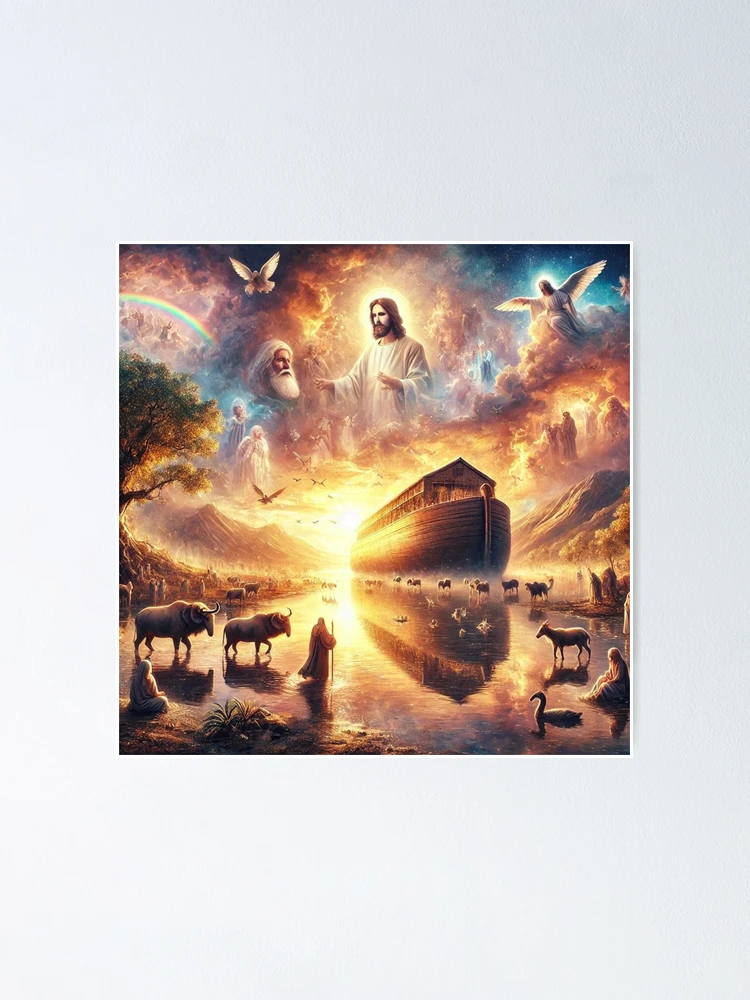
Then God made a covenant with Noah. He blessed Noah and his sons, instructing them to multiply and fill the earth (Genesis 9:1). This was the same instruction He had given to Adam and Eve (Genesis 1:28). It was as if God was pressing the reset button and giving humankind another chance.

PHOTO: Then God made a covenant with Noah. He blessed Noah and his sons, instructing them to multiply and fill the earth (Genesis 9:1). This was the same instruction He had given to Adam and Eve (Genesis 1:28). It was as if God was pressing the reset button and giving humankind another chance.
Picture posted by Meta2Physical, Redbubble
https://blogger.googleusercontent.com/img/b/R29vZ2xl/AVvXsEg20P5nlnmb3h52yHvP93q9cEyWca_b2oWW_w58W6GOX5R16AShUPgjogJxEtWTOGSjy6Zks3cGS1uBmT4ojkxq2xwjBPo2I1nFa0txZlq-qGeSY4Y4NaJHIigeYipGNaVFrtMskLhRj2N70XOBQ8Hgbsj80YJOPvw36qMCN3pIa3R06e08T-e0OLoqWCs/s1984/fposter,small,wall_texture,product,750x1000.2u4_1_ImgUpscaler_Enhanced.png
https://ih1.redbubble.net/image.5644544809.5806/fposter,small,wall_texture,product,750x1000.2u4.webp
https://www.redbubble.com/i/poster/Divine-Dreamscape-Noah-s-Ark-and-Iconic-Bible-Stories-by-Meta2Physical/164555806/flk2?country_code=US&epik=dj0yJnU9M0NDOUQ5VnNVbXdUd0JBeXhwVDRkRVZlYkhDYTdjZEMmcD0wJm49Z2ZzeDN0YkxsamhHdXNKajBuRVVEZyZ0PUFBQUFBR3JMVnc0
https://www.pinterest.com/pin/610941505742919204/
God's Rainbow
God's covenant promise was that He would never again destroy all life as He did through the flood. He declared: "I establish my covenant with you: never again will all life be destroyed by the waters of a flood; never again will there be flood to destroy the earth" (Genesis 9:11). God also gave the human race food to eat: "Everything that lives and moves about will be food for you. Just as I gave you the green plants, I now give you everything" (Genesis 9:3; see also Genesis 2:9). As a sign of His covenant with Noah, God set His rainbow in the clouds. Every time it appears, we may be reminded of God's covenant with Noah and the human race. Significantly, God refers to it as "my rainbow" (Genesis 9:13); it represents His glory (Ezekiel 1:28; Revelation 4:3; 10:1). Although the rainbow is now used as a symbol for the LGBTQ community, which advocates for values that contradict what is written in Scripture, we must remember that the rainbow belongs to God. It is seen in Scripture to represent HIs glory. Every time we see a rainbow, we can thus be assured of His covenant with us - no matter how dark the world gets.

PHOTO: God's Rainbow
God's covenant promise was that He would never again destroy all life as He did through the flood. He declared: "I establish my covenant with you: never again will all life be destroyed by the waters of a flood; never again will there be flood to destroy the earth" (Genesis 9:11). God also gave the human race food to eat: "Everything that lives and moves about will be food for you. Just as I gave you the green plants, I now give you everything" (Genesis 9:3; see also Genesis 2:9). As a sign of His covenant with Noah, God set His rainbow in the clouds. Every time it appears, we may be reminded of God's covenant with Noah and the human race. Significantly, God refers to it as "my rainbow" (Genesis 9:13); it represents His glory (Ezekiel 1:28; Revelation 4:3; 10:1). Although the rainbow is now used as a symbol for the LGBTQ community, which advocates for values that contradict what is written in Scripture, we must remember that the rainbow belongs to God. It is seen in Scripture to represent HIs glory. Every time we see a rainbow, we can thus be assured of His covenant with us - no matter how dark the world gets.
Picture posted by Prijst Almachtige God
https://blogger.googleusercontent.com/img/b/R29vZ2xl/AVvXsEhmcF6q3U3dl2ZTc0XRslmGjMOpm3zG7Hei_RceV_UZxdjjyzZZKj7Bd83fu2yu83-NzWNCMJLB86DcLX_KfhgaUPRyiPen1nOwe4SVq9eBzYgUC5PF1QRnSkiuVxgCMkiAXqt39GCtpSbXG7cj9Wz-H4tXdUzE3Fu-0v0V9HImR1ds-VHZjeXWHTCYsGw/s1984/5b43ff2ffd3e4a7485e8518e714de749_ImgUpscaler_Enhanced.png
https://i.pinimg.com/736x/5b/43/ff/5b43ff2ffd3e4a7485e8518e714de749.jpg

https://www.pinterest.com/pin/810366526681723628/
Free to Eat Any Food
Some have suggested that before the flood, people ate vegetables and were herbivorous. But after the flood, they became omnivorous (eating both vegetables and meat). This may be so, but it is no basis to argue for vegetarianism as God's will for us today. Jesus did not teach that, nor did the apostles. Moreover, Jesus served and ate fish (Luke 24:42-43). As a regular and faithful observer of the annual Passover, Jesus must also have eaten the roasted lamb as required by the law (Exodus 12:8), He also declared all foods to be clean (Mark 7:19). Interesting, the New Testament follows the teachings of Jesus, bypassing the Mosaic law as it was understood by the Jews, to reaffirm the older Noahic covenant.

PHOTO: Free to Eat Any Food
Some have suggested that before the flood, people ate vegetables and were herbivorous. But after the flood, they became omnivorous (eating both vegetables and meat). This may be so, but it is no basis to argue for vegetarianism as God's will for us today. Jesus did not teach that, nor did the apostles. Moreover, Jesus served and ate fish (Luke 24:42-43). As a regular and faithful observer of the annual Passover, Jesus must also have eaten the roasted lamb as required by the law (Exodus 12:8), He also declared all foods to be clean (Mark 7:19). Interesting, the New Testament follows the teachings of Jesus, bypassing the Mosaic law as it was understood by the Jews, to reaffirm the older Noahic covenant.
Picture posted by Pastorphoebe M
https://blogger.googleusercontent.com/img/b/R29vZ2xl/AVvXsEhkuHzWO9-iQ-p_CVDM6moL-SfZrdn_tMLCOET8fndD3yQ_WKcxSAXOIJOmeyusH3w1UE6kYpiOPT4m1b2Xrrls2cufjax_zvKRDUohH1Fd79x_AoNh7Y25MlG8AuU156wFGT8Kmx65VRzpOsWnlL-YNJL8k-v0R93Ep49lQV0GUSwP7WjAzutkxC_6MFw/s2016/748a010737962c84d4618862b60ad414_2.png
https://i.pinimg.com/1200x/74/8a/01/748a010737962c84d4618862b60ad414.jpg

https://www.pinterest.com/pin/108086459802018351/
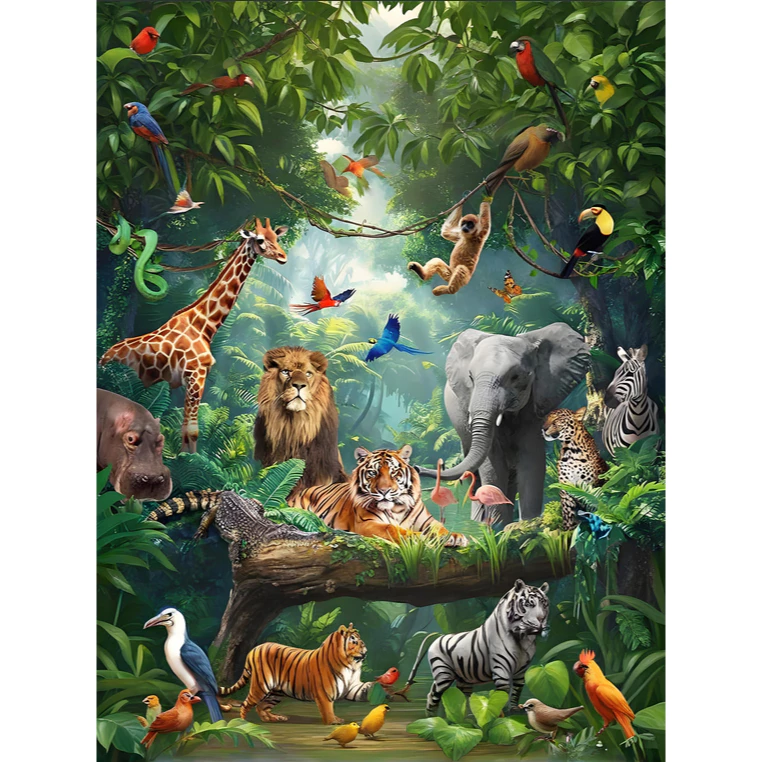
In the covenant God made with Noah, people were free to eat any food. There was only one clear prohibition: "you must not eat meat that has its lifeblood still in it" (Genesis 9:4). God explained that blood is of value because it is that which gives life to the creature. By deeming it a sin to shed blood (or eat it) unnecessarily. God was essentially condemning murder. Perhaps God remembered how Cain killed his brother Abel, and His subsequent words to the murderer, "Your brother's blood cries out to me from the ground" (Genesis 4:10).

PHOTO: In the covenant God made with Noah, people were free to eat any food. There was only one clear prohibition: "you must not eat meat that has its lifeblood still in it" (Genesis 9:4). God explained that blood is of value because it is that which gives life to the creature. By deeming it a sin to shed blood (or eat it) unnecessarily. God was essentially condemning murder. Perhaps God remembered how Cain killed his brother Abel, and His subsequent words to the murderer, "Your brother's blood cries out to me from the ground" (Genesis 4:10).
Picture posted by Shopee
https://blogger.googleusercontent.com/img/b/R29vZ2xl/AVvXsEgNOXvkxHYRb1m0JW9X9IjcVXp2kUHHGp4AV_llRHXQSjycqdpZsnPi_3F1YVkS-A0mPo2KMUXrAcEYapcMsvJ40kIurUlZmGi4vHounaDGGDMD9PIeg0tLK2fA8oSMIoB22Q4mKeP78blTx-tOLlww8Wt94P6RzJAinsDsfDKqFE5yT019MlMcCshLALI/s2048/cn-11134207-7ras8-mb4rxt3mv7i1b2_2.png
https://down-sg.img.susercontent.com/file/cn-11134207-7ras8-mb4rxt3mv7i1b2.webp
https://shopee.sg/product/1053685587/42551021435?utm_term=PPLUS-PROS_All_All_Mix_All_L1Mix&utm_campaign=S01_ALL_PIN_SHOPPING_PPLUS_All_All_Mix_All&item_id=42551021435&utm_medium=cpc&utm_source=Pinterest&utm_content=4260609544579&pp=0&epik=dj0zJnU9NTBlZmFkM0s0ZHVhY2Q5OUw0Sy0zTUk3bmt4NVZTemgmaT1nMUVlQU9BREFBQ0FGQU1tRk1EUlB6RHJwbTdGM3VUN2ZqZVE0eHJHVG5zJmE9LTEmcD0xJm49UmNMbkZFSVlOeDJFTURuNE1aNjVFdyZ0PUFBQUFBR3JMWHNR
https://down-sg.img.susercontent.com/file/cn-11134207-7ras8-mb4rxt3mv7i1b2.webp
https://shopee.sg/product/1053685587/42551021435?utm_term=PPLUS-PROS_All_All_Mix_All_L1Mix&utm_campaign=S01_ALL_PIN_SHOPPING_PPLUS_All_All_Mix_All&item_id=42551021435&utm_medium=cpc&utm_source=Pinterest&utm_content=4260609544579&pp=0&epik=dj0zJnU9NTBlZmFkM0s0ZHVhY2Q5OUw0Sy0zTUk3bmt4NVZTemgmaT1nMUVlQU9BREFBQ0FGQU1tRk1EUlB6RHJwbTdGM3VUN2ZqZVE0eHJHVG5zJmE9LTEmcD0xJm49UmNMbkZFSVlOeDJFTURuNE1aNjVFdyZ0PUFBQUFBR3JMWHNR
Sanctity of the Blood
However, in the law that God gave Moses, the sanctity of blood was codified differently. The shedding of an animal's blood became a critical part of a significant ritual, the Passover, where God required the Israelites to kill lambs to smear their blood on their doorframes to escape death (Exodus 12:1-7). It also became a key part of worship, as the Israelites were instructed to offer animal sacrifices to atone for their sins in the temple (Leviticus 17:11).

PHOTO: Sanctity of the Blood
However, in the law that God gave Moses, the sanctity of blood was codified differently. The shedding of an animal's blood became a critical part of a significant ritual, the Passover, where God required the Israelites to kill lambs to smear their blood on their doorframes to escape death (Exodus 12:1-7). It also became a key part of worship, as the Israelites were instructed to offer animal sacrifices to atone for their sins in the temple (Leviticus 17:11).
Picture posted by †🕊═══『 ӄռɨɢɦȶ օʄ ƈǟʍɛʟօȶ 』🕊†
https://blogger.googleusercontent.com/img/b/R29vZ2xl/AVvXsEh_uIUmRPnZ1tQngBbP5mFYv7IIOvRX7BsPUCkRHzhBVYL6LWgGm4eAnxTamMms6mJBo4lk2CkyEvKYyPyLDQRAq4AweK2kHjwrj-wN2t07YbL60NJsVD_UD4AW8LmzaaAoqKSFty4peMdP_kZjLAPlhJQ050mmkXk5MQ445tUnCBWUNmVDc_RY9y29my4/s2800/1393711360c3a9c14469b9a56dd33e31_x4.png
https://i.pinimg.com/1200x/13/93/71/1393711360c3a9c14469b9a56dd33e31.jpg

https://www.pinterest.com/pin/90423905016442821/
Here, we see something precious about blood because of the connection with life, sacrifice, and salvation, The reason fir God's sanction to shed blood in the Mosaic law becomes clear when we read about how the blood of Jesus, the Lamb of God, redeems and brings God's forgiveness to us (Ephesians 1:7; Hebrews 9:22), cleanses us from sin (1 John 1:7; Hebrews 13:12), reconciles all to God (Colossians 1:20), opens the way to God (Hebrews 10:19), and purchase the church (Acts 20:28).

PHOTO: Here, we see something precious about blood because of the connection with life, sacrifice, and salvation, The reason fir God's sanction to shed blood in the Mosaic law becomes clear when we read about how the blood of Jesus, the Lamb of God, redeems and brings God's forgiveness to us (Ephesians 1:7; Hebrews 9:22), cleanses us from sin (1 John 1:7; Hebrews 13:12), reconciles all to God (Colossians 1:20), opens the way to God (Hebrews 10:19), and purchase the church (Acts 20:28).
Picture posted by stokley caine
https://blogger.googleusercontent.com/img/b/R29vZ2xl/AVvXsEgjo6x9iBLAWmlKYA83mRjRW1j37gkGC13WuSWhJJl_J2wr8kc6GAzErYfG7_oYEemAmt3iFO44Z0LW7r7yPxsWb9k5_hKIPKxTHyyf2b6hZNO3J-TNHxS-BAyUZYrNC8fxg_rhrWOyIo0-cAwxH1HUvh2KY9ioVBF5f23I0ouNJSDP0w5piso-U2oTfLY/s3600/004028e76da087025a5ebb5501ad557a_x3.png
https://i.pinimg.com/1200x/00/40/28/004028e76da087025a5ebb5501ad557a.jpg

https://www.pinterest.com/pin/361273201382381423/
Luke makes this connection explicit in his gospel. He records that when Jesus was transfigured on the Mount of Transfiguration, He met Moses and Elijah: "They spoke about his departure, which he was about to bring to fulfillment at Jerusalem" (Luke 9:31). In the original Greek, the word that is translated as "departure" is exodos. This points us to the exodus event of the Old Testament, when God delivered His people through the blood of lambs and the work of the mediator and shepherd Moses. By using that word, Luke is helping us see that the rituals in the Mosaic law were to point the Israelites to Jesus: the true Lamb of God and the Mediator between God and humankind, who delivers us from slavery. Again, we are reminded of how much of Jesus we find in the Pentateuch (the first five books of the Hebrew Bible and the Christian Old Testament - Genesis, Exodus, Leviticus, Numbers, and Deuteronomy), including Genesis.

PHOTO: Luke makes this connection explicit in his gospel. He records that when Jesus was transfigured on the Mount of Transfiguration, He met Moses and Elijah: "They spoke about his departure, which he was about to bring to fulfillment at Jerusalem" (Luke 9:31). In the original Greek, the word that is translated as "departure" is exodos. This points us to the exodus event of the Old Testament, when God delivered His people through the blood of lambs and the work of the mediator and shepherd Moses. By using that word, Luke is helping us see that the rituals in the Mosaic law were to point the Israelites to Jesus: the true Lamb of God and the Mediator between God and humankind, who delivers us from slavery. Again, we are reminded of how much of Jesus we find in the Pentateuch (the first five books of the Hebrew Bible and the Christian Old Testament - Genesis, Exodus, Leviticus, Numbers, and Deuteronomy), including Genesis.
Picture posted by David Pineda
https://blogger.googleusercontent.com/img/b/R29vZ2xl/AVvXsEgxHYK8trUHS3-nkEdYdDSuulSYP03dMCgPh-eyzg3FYPUnz6id1n1YjKynfGUFFR8drJF-v1QPdngFg_hNW5ZAmG4_e8lF0LOlwPwqB-Zt4HE2b3ACF8SE7fo1qa-2wHN1gMjZqf0mfy0M42Hcx90noDCfLZGRvgR6H79GatUy2J2MSKl669AsIdKzX1M/s2432/43b6a787ee037bc8d4611046fccfb878_1.png
https://i.pinimg.com/1200x/43/b6/a7/43b6a787ee037bc8d4611046fccfb878.jpg

https://www.pinterest.com/pin/1086634216371925376/
Today, Christians no longer practise the Mosaic law because we no longer need the signs that these rituals were pointing to: Jesus has already atoned for our sins once and for all. Instead, we drink the cup at the Lord's table in remembrance that Jesus was the slain Lamb of God (Revelation 5:9-12) who shed His blood for us on the cross (Matthew 26:27-28). We remember and praise Him forever for saving us. It is for this reason that blood is to be treated with respect and not to become a common object and a part of one's diet.

PHOTO: Today, Christians no longer practise the Mosaic law because we no longer need the signs that these rituals were pointing to: Jesus has already atoned for our sins once and for all. Instead, we drink the cup at the Lord's table in remembrance that Jesus was the slain Lamb of God (Revelation 5:9-12) who shed His blood for us on the cross (Matthew 26:27-28). We remember and praise Him forever for saving us. It is for this reason that blood is to be treated with respect and not to become a common object and a part of one's diet.
Picture posted by Biblewithlife
https://blogger.googleusercontent.com/img/b/R29vZ2xl/AVvXsEjlcNRtQNBiSpuZie3y9QKi2IcCqkBOymOQUR7aPUYiZRr40RDZ2TgrTASemkR9yKxaXT4FHSPWPEboL8Q-COvDZy7OB8Ht_0WOhhdjBjUe57Et6IWwFXEFTdFELU-79TuO41ifxqGk4CGPF0FedZj-KMFxzb48eGwEL-gOmSH5hbQu77xtG2icmchp6e0/s2000/c123bdc18b170a98922131d441083bb6_1.png
https://i.pinimg.com/1200x/c1/23/bd/c123bdc18b170a98922131d441083bb6.jpg
https://www.pinterest.com/pin/1121677850961854883/
Significantly, though converts to Christianity are no longer required to uphold the Mosaic law, Scripture still requires that we abstain from consuming blood. In the New Testament church, certain Jewish Christians were insisting that Gentiles who became Christians needed to abide by the law of Moses and be circumcised. The apostles such as Paul and Peter refuted this, citing evidence from their missionary experiences of how God had accepted Gentile Christians without physical circumcision. It was enough and sufficient to repent and believe in Jesus, and to be baptised and filled with the Holy Spirit. James, the brother of Jesus, who was the leader of the church in Jerusalem, agreed with their verdict, too (Acts 15).
https://i.pinimg.com/1200x/c1/23/bd/c123bdc18b170a98922131d441083bb6.jpg

https://www.pinterest.com/pin/1121677850961854883/
Significantly, though converts to Christianity are no longer required to uphold the Mosaic law, Scripture still requires that we abstain from consuming blood. In the New Testament church, certain Jewish Christians were insisting that Gentiles who became Christians needed to abide by the law of Moses and be circumcised. The apostles such as Paul and Peter refuted this, citing evidence from their missionary experiences of how God had accepted Gentile Christians without physical circumcision. It was enough and sufficient to repent and believe in Jesus, and to be baptised and filled with the Holy Spirit. James, the brother of Jesus, who was the leader of the church in Jerusalem, agreed with their verdict, too (Acts 15).

PHOTO: Significantly, though converts to Christianity are no longer required to uphold the Mosaic law, Scripture still requires that we abstain from consuming blood. In the New Testament church, certain Jewish Christians were insisting that Gentiles who became Christians needed to abide by the law of Moses and be circumcised. The apostles such as Paul and Peter refuted this, citing evidence from their missionary experiences of how God had accepted Gentile Christians without physical circumcision. It was enough and sufficient to repent and believe in Jesus, and to be baptised and filled with the Holy Spirit. James, the brother of Jesus, who was the leader of the church in Jerusalem, agreed with their verdict, too (Acts 15).
Picture posted by Creator- Art of the Devil 2 (Thai: Long Khong) (2005)
https://blogger.googleusercontent.com/img/b/R29vZ2xl/AVvXsEg7UK_a7v8aDbZnhsMxvXzF665s_FATEIOtRAAXvd7zi4UbAGGFe8kTKmKZOmQbgQGEZbNgh6S-u5tUpy9JTcQUBWeipKK-CFr42JuU9MOqwBoPHWvtEqpcQOLwextH2UaQ1DNQDmVgSkATokNGjALZFZ9-MN84js0v_rbAoFJ8nba2fxh1jN3tYwnhgeo/s2568/6b0a1ab2-6514-4052-a717-d895ba7125b8_11.png
https://s359.kapook.com/pagebuilder/6b0a1ab2-6514-4052-a717-d895ba7125b8.jpg

https://creator.kapook.com/gallery/274888/867711
However, the apostles and elders sent a letter to Gentile believers with instructions to still "abstain from food sacrificed to idols, from blood, from the meat of strangled animals and from sexual immorality" (Acts 15:29). These instructions were to guard the people from practising idolatry. But this return to the dietary provisions of the Noahic covenant was also a way of honouring the sanctity of blood. Far from being an outdated practice, the reverence for the value of blood demonstrated in the earliest stories in Genesis now takes on far weightier implications in light of the sacrifice of Christ.

PHOTO: However, the apostles and elders sent a letter to Gentile believers with instructions to still "abstain from food sacrificed to idols, from blood, from the meat of strangled animals and from sexual immorality" (Acts 15:29). These instructions were to guard the people from practising idolatry. But this return to the dietary provisions of the Noahic covenant was also a way of honouring the sanctity of blood. Far from being an outdated practice, the reverence for the value of blood demonstrated in the earliest stories in Genesis now takes on far weightier implications in light of the sacrifice of Christ.
Picture posted by (Buhay Kristyano 6.33 on Monday, 05 January 2026 at 02:37 pm)
https://blogger.googleusercontent.com/img/b/R29vZ2xl/AVvXsEjv6PfkOGev49evYbPYhivz7xQo7W9Yc8ZgU8M1U5BNyKk7gJ9NzPABAD3DErY5fMLixFF4ttYsJzDDnnsg2ULyxafIJCDql3D8UDXXizzSggQ3svjXb9zexaBXFIogyaar41jAT6IEY3ENDh8IKmtUHkSnqj3IFbvNeHF2THVAVkPB9yZtznNa40scHP0/s4060/Bloodcannoteat_Internet_x4_x1.5.png
https://encrypted-tbn0.gstatic.com/images?q=tbn:ANd9GcTA93MfkJz9vd11C4xCKk5qJyy1FD0_MZiplrPN8VEDK42-E6iJuLDgLHKt&s=10https://www.facebook.com/buhaychristiyano/posts/is-eating-blood-a-sinin-the-bible-blood-carries-deep-spiritual-significance-for-/1293143532843684/ - (Bloodcannoteat_Internet_x4_x1.5.png)
It is interesting that the New Testament church reverted from the specific dietary laws of Moses (which were necessary to keep Israel from falling into the idolatrous practices of surrounding nations) to the more general covenant that God made with Noah, now that the Gentiles were coming into the church. This was crucial in assuring the Jewish Christian community that they were not deviating from God's ways. The Acts church may no longer have been following the dietary laws of the Mosaic law, which were only meant for a limited period and purpose, and were now no longer needed after the resurrection of Christ. However, in returning to the older dietary provisions in the Noahic covenant, they were still abiding by the principles of the Torah; they were simply drawing from a different aspect of it at this turning point in history.

PHOTO: It is interesting that the New Testament church reverted from the specific dietary laws of Moses (which were necessary to keep Israel from falling into the idolatrous practices of surrounding nations) to the more general covenant that God made with Noah, now that the Gentiles were coming into the church. This was crucial in assuring the Jewish Christian community that they were not deviating from God's ways. The Acts church may no longer have been following the dietary laws of the Mosaic law, which were only meant for a limited period and purpose, and were now no longer needed after the resurrection of Christ. However, in returning to the older dietary provisions in the Noahic covenant, they were still abiding by the principles of the Torah; they were simply drawing from a different aspect of it at this turning point in history.
Picture posted by Evang Bright Ikedichi on Wednesday, 30 September 2026 at 12:16 am
https://blogger.googleusercontent.com/img/b/R29vZ2xl/AVvXsEi1PatxdtvdLktdHWyWYGZJ_TwkDhtMIxNEuPqjrsSgBWn0O-6cgwZ5eokngTtet3cQ5NSVX6gNb-b8wbElNH1CjKP1ULZMYyX5uqNg1Li7pR941Uo1MQMQMbHZLZJ0oMP4li7vSx45iLIgzcNVT1I9O4Ik8aQiXLjt8ekrAPMLyRBhrA8dekLJOe-Juto/s2192/829171191_1162254503133823_3882572296864707641_n_ImgUpscaler_Enhanced.png
https://scontent.fsin14-2.fna.fbcdn.net/v/t39.99422-6/829171191_1162254503133823_3882572296864707641_n.png?stp=dst-jpg_tt6&cstp=mx1122x1402&ctp=s1122x1402&_nc_cat=102&_nc_map=urlgen_bucketless&ccb=1-7&_nc_sid=833d8c&_nc_ohc=GH4VVdFvIYQQ7kNvwF0-sJA&_nc_oc=AdqeNmmxj4ulhUTvU4gXMSc1fwGUBaOQm4DTvvqgcwg0nHiF3aPsi3kabJoB2YlIDyQ&_nc_zt=14&_nc_ht=scontent.fsin14-2.fna&_nc_gid=sytMppxOV9VrNTPOQ0KdTw&_nc_ss=7b2a8&oh=00_AQNBBJ3hYziMedQRenRM4aW_gj2NFmORJodxpt73qz9JwQ&oe=6AD6A37A

https://www.facebook.com/photo/?fbid=122158715931130791&set=a.122093695293130791
Imagine the conversation that Noah and his family would have had while they waited to be released from the ark. What lessons are there for us as we wait for our final salvation and as we wait as a church for the return of the Lord?
Here is an interpretation of the waiting period inside the Ark in Singlish, focusing on the conversational dynamics and the spiritual lessons it offers us today.
The Imagined Conversation Inside the Ark
Imagine the situation inside: dark, smelling of damp wood and wet fur, and the constant rocking of the waters. After months of floating and waiting, Noah and his family would probably have had conversations filled with raw emotion, exhaustion, and growing hope:

PHOTO: The Imagined Conversation Inside the Ark
"Wah, seriously, how much longer?" The sons (Shem, Ham, and Japheth) might have looked out the tiny window at nothing but water and asked their father when it would finally end. They had already been cooped up for months. The initial relief of surviving the rain would have turned into the daily grind of waiting for the water to dry up.
Picture posted by JESUS LOVES YOU
https://blogger.googleusercontent.com/img/b/R29vZ2xl/AVvXsEhpEh6hW7Dc6rJUogjNx6ktHOqGqTpO7N1hknJzM7Qlta8ssDKxpJygs5Z8iUk4S6Td7Z9F6fIsEDox4Kyi9jGegr5X-ijcXTiwBGiYOnDjnemybhRhAun_pDKQzKeCfTa-fl8aHFzYhbEsMi96Lw-3COcLx85tkId9PlpuOdCH-LS21cQShy3s8hCjZFQ/s2048/d4284827aa64cdea2a66f26c231c562f_LinoCutEdited_Enhanced.png
https://i.pinimg.com/1200x/d4/28/48/d4284827aa64cdea2a66f26c231c562f.jpg
https://www.pinterest.com/pin/737183032786821894/
- "Wah, seriously, how much longer?" The sons (Shem, Ham, and Japheth) might have looked out the tiny window at nothing but water and asked their father when it would finally end. They had already been cooped up for months. The initial relief of surviving the rain would have turned into the daily grind of waiting for the water to dry up.
- "Don't worry, God remembers us." Noah, leaning on the covenant God made with him, would be the anchor of the family. He would remind them: "God shut the door himself. He brought us in, He will bring us out. We just have to wait for His timing."
- "What is left out there?" The daughters-in-law might talk about the world they left behind. Everything they knew was gone. They would wonder what kind of earth they would step into, realizing that life would never be the same again.
- "So much cleaning, so much feeding..." Amidst the deep theological thoughts, there was everyday hard work. The family would talk about the daily chores—feeding the animals, clearing the waste, and taking care of the massive vessel. The waiting wasn't passive; it was filled with active duty.
- "Look! The dove brought something back!" When the dove finally returned with an olive leaf, the conversation would change from anxious waiting to absolute praise. "See? The ground is drying. God's promise is coming true!"
PHOTO: The Imagined Conversation Inside the Ark
"Wah, seriously, how much longer?" The sons (Shem, Ham, and Japheth) might have looked out the tiny window at nothing but water and asked their father when it would finally end. They had already been cooped up for months. The initial relief of surviving the rain would have turned into the daily grind of waiting for the water to dry up.
Picture posted by JESUS LOVES YOU
https://blogger.googleusercontent.com/img/b/R29vZ2xl/AVvXsEhpEh6hW7Dc6rJUogjNx6ktHOqGqTpO7N1hknJzM7Qlta8ssDKxpJygs5Z8iUk4S6Td7Z9F6fIsEDox4Kyi9jGegr5X-ijcXTiwBGiYOnDjnemybhRhAun_pDKQzKeCfTa-fl8aHFzYhbEsMi96Lw-3COcLx85tkId9PlpuOdCH-LS21cQShy3s8hCjZFQ/s2048/d4284827aa64cdea2a66f26c231c562f_LinoCutEdited_Enhanced.png
https://i.pinimg.com/1200x/d4/28/48/d4284827aa64cdea2a66f26c231c562f.jpg

https://www.pinterest.com/pin/737183032786821894/

PHOTO: The Imagined Conversation Inside the Ark
"Don't worry, God remembers us." Noah, leaning on the covenant God made with him, would be the anchor of the family. He would remind them: "God shut the door himself. He brought us in, He will bring us out. We just have to wait for His timing."
Picture posted by Kathy
https://blogger.googleusercontent.com/img/b/R29vZ2xl/AVvXsEgHyQyufGqVrZZvmXZfYqZz-SMgvbzUhH6pO4voS4w_QXNVyuHwkPgGnmYhC-NFJUfHRm8wwRaYQ8HvDkwmkExuchsjB9m_LnGJ6O-COzL9BSkh2ZXHaC5yDyNGTjlH8mfrflckqmiQY0UM_9QrFiGQG9NA31QeqwT7oVkWD_7EfMto6vzb3NPbbo8LLM0/s1984/df774ef6ade329e013d849dd3daf3a90_1.png
https://i.pinimg.com/1200x/df/77/4e/df774ef6ade329e013d849dd3daf3a90.jpg

https://www.pinterest.com/pin/928656385673333927/

PHOTO: The Imagined Conversation Inside the Ark
"What is left out there?" The daughters-in-law might talk about the world they left behind. Everything they knew was gone. They would wonder what kind of earth they would step into, realizing that life would never be the same again.
Picture posted by Edilson Suárez
https://blogger.googleusercontent.com/img/b/R29vZ2xl/AVvXsEgKks7C5PX5-l8ELWbjXfhOq8THHxY1ETo7p6fjgP00bHXdzT2uLJJ1IOAmL8pv5G1N-SV2Tnj1CKB-d6zAoDfgOefiJR9oFRFYsspvz5sMyRcRdKZWOpyWdHn-6Fx1OPnM_HZUO46TlYQdy_2SusTh-PCLs6ZYkyX_DJwPaVbPEUJCgMiGqDAOiXT6VbM/s2000/f12bf8796edfb4f00de1cd976dd4ff71_ImgUpscaler_Enhanced.png
https://i.pinimg.com/1200x/f1/2b/f8/f12bf8796edfb4f00de1cd976dd4ff71.jpg

https://www.pinterest.com/pin/65865213296343732/

PHOTO: The Imagined Conversation Inside the Ark
"So much cleaning, so much feeding..." Amidst the deep theological thoughts, there was everyday hard work. The family would talk about the daily chores—feeding the animals, clearing the waste, and taking care of the massive vessel. The waiting wasn't passive; it was filled with active duty.
Picture posted by Roots of Europa
https://blogger.googleusercontent.com/img/b/R29vZ2xl/AVvXsEgbD8Ca-1DXJcl9UJdJRPxQFvXtzU3-a222VyW_17X5ruag5nGZnyHCJhTL40KZ9DaysAbUDoC_KZND6ze_N0o0QgHFpewM9RRCPuhK7IgbAewcQMK4LTWHGJy4wuaHMSncCSQv5MoZ82Zfiy7zCoRRHCn-94PBvNS-Z3xRbG4288n9fS1Z2xHwFZ1gcIk/s2208/97ed872a56379dcf88818990ab228d0d_1.png
https://i.pinimg.com/1200x/97/ed/87/97ed872a56379dcf88818990ab228d0d.jpg

https://www.pinterest.com/pin/1094234040753239900/

PHOTO: The Imagined Conversation Inside the Ark
"Look! The dove brought something back!" When the dove finally returned with an olive leaf, the conversation would change from anxious waiting to absolute praise. "See? The ground is drying. God's promise is coming true!"
Picture posted by Silvaa
https://blogger.googleusercontent.com/img/b/R29vZ2xl/AVvXsEjDyfX8doj4RSdzAQtWLo6aF2Zo3quUNlC3DM0QaZWrd_iMLmojCqIePoFoAHIK7QyFJdEbFuVfefJWWZPviZpmVnFHTN7fHVtnL1KDahKkioJqFTbDF0HxY1mqiYE46lLT9JIz0STfAs2UQe5JJGc1JzD9DLsvHx-Z97cLfhVkSv5E_OGxruln60kN0Ow/s1984/f7e6acdb4f8d1f20ef115b89ef69802d_ImgUpscaler_Enhanced.png
https://i.pinimg.com/1200x/f7/e6/ac/f7e6acdb4f8d1f20ef115b89ef69802d.jpg

https://www.pinterest.com/pin/7107311907951927/
Visualizing the Waiting and the Promise
The scenes inside and outside the Ark vividly capture the tension between isolating darkness and divine covenant:
Lessons for Us as We Wait for Salvation & the Lord’s Return
Dr. Robert Solomon’s reflection on Genesis reminds us that waiting is an essential part of the Gospel story. Just like Noah's family, our current waiting as believers and as a church holds powerful lessons:
- Waiting is not wasting time; it is active preparation. Noah's family didn't just sit down and do nothing inside the Ark; they had to care for the animals and keep the place running. For us, waiting for the Lord's return means we must stay active in our ministries, serve one another, and keep doing the work of the Kingdom.
- God never forgets His people. Genesis 8:1 explicitly starts with, "But God remembered Noah." When we are waiting for our final salvation and things around the world look chaotic, we can be 100% sure that God hasn't forgotten us. His timing is always precise.
- We must trust the closed door until He opens it. Noah didn't try to break out of the Ark early, even when the rain stopped. He waited until God gave the command to step out. In life, when we face seasons of waiting, we shouldn't try to force our own ways out. We need to wait for God’s clear direction.
- The "Olive Leaf" moments keep our hope alive. The dove returning with a leaf was a small sign of a massive reality. For the church today, the work of the Holy Spirit, answered prayers, and transformed lives are our "olive leaves." They remind us that the new creation is real and coming soon.
- Live under the assurance of the Covenant. When they finally stepped out, God gave them the rainbow as a sign. As we wait for Christ's return, we don't wait in fear or anxiety. We wait under the ultimate assurance of Christ’s finished work on the cross, knowing our final salvation is completely secure.

PHOTO: Lessons for Us as We Wait for Salvation & the Lord’s Return
Waiting is not wasting time; it is active preparation. Noah's family didn't just sit down and do nothing inside the Ark; they had to care for the animals and keep the place running. For us, waiting for the Lord's return means we must stay active in our ministries, serve one another, and keep doing the work of the Kingdom.
Picture posted by bishopgaryearls on 31 December 2015
https://blogger.googleusercontent.com/img/b/R29vZ2xl/AVvXsEhWeVKH_6Yl6H5GMRC16lNTsTj9afSvms4qRHx7r7s-8jAC_s4nye_JzTmkLIm821rgxXHO2oXVce_mv1nCCWba6tOfP_se3WO347i9tBEbw0uKWBAfOyvGyqOyIrEjvo1roMgCRXhIetk1DZcEfdD5GJANeEkVldaQE3_66GQeUdf8NiBsk48fT53wyVo/s2304/630962899_18569385001006300_5267246284573434871_n_ImgUpscaler_Enhanced.png
https://instagram.fsin15-1.fna.fbcdn.net/v/t51.82787-15/630962899_18569385001006300_5267246284573434871_n.jpg?stp=dst-jpg_e35_tt6&_nc_cat=107&_nc_map=urlgen_bucketless&ig_cache_key=MTE1MTU4ODk0MTYwNzAyMjI2OQ%3D%3D.3-ccb7-5&ccb=7-5&_nc_sid=58cdad&efg=eyJ2ZW5jb2RlX3RhZyI6IkZFRUQueHBpZHMuMTA4MC5zZHIucmVndWxhcl9waG90by5DMyJ9&_nc_ohc=jOnQ07hffYMQ7kNvwHMuNLc&_nc_oc=Adqgs3BfJptreAnRoF0G8GRwQjUhU4D4KxtKRO0i87zxfLMjo41Th0Xg3dzvCysDhkg&_nc_zt=23&_nc_ht=instagram.fsin15-1.fna&_nc_gid=1mKkR6H8NYt52tWfqMEDNQ&_nc_ss=7b689&oh=00_AQNGh6Tz9UM2XaVsmmggOh7aUVXDT1KchidWJKeB5O5zNw&oe=6AD6B0C1

https://www.instagram.com/p/_7RAp_wS69

PHOTO: Lessons for Us as We Wait for Salvation & the Lord’s Return
God never forgets His people. Genesis 8:1 explicitly starts with, "But God remembered Noah." When we are waiting for our final salvation and things around the world look chaotic, we can be 100% sure that God hasn't forgotten us. His timing is always precise.
Picture posted by Carlos Alexandre
https://blogger.googleusercontent.com/img/b/R29vZ2xl/AVvXsEgK0IJusB-KzlSv3qwKMbf74bIy3Xfh9a7Gviki3WP4qBd_CPe_xiZ4aUMHsbSChay0C7JZM0ID6zqwsXZPz6T61TTJyrVSDbcOTDSTAiAuUvxOgPCtOQ6YimPzuoNIN_y7G7xJdUg9Znhs8Oce3v02pkW9KCgDWv3jMAwXjBf8l8j-ZVwXcJIQDc13-v0/s1984/33b6663f66642df58f3719ed42a536b2_1.png
https://i.pinimg.com/1200x/33/b6/66/33b6663f66642df58f3719ed42a536b2.jpg

https://www.pinterest.com/pin/728879520980569163/

PHOTO: Lessons for Us as We Wait for Salvation & the Lord’s Return
We must trust the closed door until He opens it. Noah didn't try to break out of the Ark early, even when the rain stopped. He waited until God gave the command to step out. In life, when we face seasons of waiting, we shouldn't try to force our own ways out. We need to wait for God’s clear direction.
Picture posted by Mitologias
https://blogger.googleusercontent.com/img/b/R29vZ2xl/AVvXsEhfAmLaiIVnKpMrEKmofDYBxWCvywjnoRaLUJeJEdV5ycGVkPsdu8-1vuP4ROxbEw9H44UUiNPgtcCiJh-4P1mgBB7ncBCKZjrRwWUBROtieTr7I369IOYtz10xjWRLJxdpdyULCZLl76-V44phqlpedildPg35aBN6p9tMOkeMGFUQoonwJbIbIOBx0d0/s2352/1d66c7d2d5538fa96b0ba61393cfa812_PixelcutExtended_ImgUpscaler_Enhanced.png
https://i.pinimg.com/1200x/1d/66/c7/1d66c7d2d5538fa96b0ba61393cfa812.jpg

https://www.pinterest.com/pin/844495367666271156/

PHOTO: Lessons for Us as We Wait for Salvation & the Lord’s Return
The "Olive Leaf" moments keep our hope alive. The dove returning with a leaf was a small sign of a massive reality. For the church today, the work of the Holy Spirit, answered prayers, and transformed lives are our "olive leaves." They remind us that the new creation is real and coming soon.
Picture posted by The Voice of God Stories
https://blogger.googleusercontent.com/img/b/R29vZ2xl/AVvXsEjxzi-vuf5ByFq8eicIYbFOHLPOjvmeXXIEGznWxKe6ri628gk_ZbzfcqEOX-NiHmm-F2uTXi02klfkXYl5xXrfA08sEjDCLIV4wNOAzDxeE8xqpe7WPOmeBDxOulk478y-QUyUp5bAAX9McdTNTdC0V9cPmRN0vACbp0U_iFM7yFtbqv_FgBWHkBetggc/s2192/9f110b227596a8b72a910a48b292fcbf_11.png
https://i.pinimg.com/1200x/9f/11/0b/9f110b227596a8b72a910a48b292fcbf.jpg

https://www.pinterest.com/pin/1142366261761998138/

PHOTO: Lessons for Us as We Wait for Salvation & the Lord’s Return
Live under the assurance of the Covenant. When they finally stepped out, God gave them the rainbow as a sign. As we wait for Christ's return, we don't wait in fear or anxiety. We wait under the ultimate assurance of Christ’s finished work on the cross, knowing our final salvation is completely secure.
Picture posted by Rude Skaman
https://blogger.googleusercontent.com/img/b/R29vZ2xl/AVvXsEiaW3Rze7dVvQnjcQtrI2bWHy4SuDKOlof6Xo0QfIcvqZbQAN6u3gDs-BH-7Sn7OKq3MJ7N7CMDxeTidWQLq3ocM5KEAY6warH9QBHDUVpJeteHOMcymAo3JB05vLFdgju-0L1-zonr86aSlgAWTfcpNWS8HB8spMKvEtYhj8ZULTzu1STbfebnPQOso_U/s2368/63e3d55563a0ca0fd5ea5d880166e8fa_PixelcutExtended_ImgUpscaler_Enhanced.png
https://i.pinimg.com/1200x/63/e3/d5/63e3d55563a0ca0fd5ea5d880166e8fa.jpg

https://www.pinterest.com/pin/865043040951520984/

PHOTO: A Simple Prayer for the Waiting Season
"Dear Lord, Thank You for the story of Noah and his family, which reminds us that You are always faithful, even when we are trapped in the quiet, messy, and long seasons of waiting.
We remember the family inside the Ark. We can imagine their tired voices, their worries, and their questions as the days dragged on. Yet, You kept them safe, and You remembered them. Lord, when we feel cooped up by our own life circumstances, or when our hearts grow weary looking at a broken world, comfort us just like You comforted them.
Teach us the lessons of the Ark while we wait for Your final salvation:
- Help us to stay active.Do not let us become lazy or discouraged. Give us the strength to do our daily duties, to serve one another, and to take care of the ministry You have placed in our hands.
- Help us to trust Your timing. Teach us not to rush ahead or force our own doors open. Remind us that You are the one who shuts the door, and You will be the one to lead us out into a new beginning when the time is right.
- Keep our hope alive. Open our eyes to see the "olive leaves" in our lives—the small signs of Your grace, the moving of Your Holy Spirit, and the answers to our prayers that show us You are still at work.
As a church, we wait for the return of our Lord Jesus. Keep us united, faithful, and watchful. May our conversations always be filled with encouragement and testimonies of Your goodness, rather than complaints or fear. Thank You that we live under the beautiful assurance of Your covenant, knowing that our final salvation is secure because of Jesus.
Until the day You call us out into the new creation, we trust You.
Through Lord Jesus Christ we pray. Amen."
Picture posted by Bible Blossoms ✨
https://blogger.googleusercontent.com/img/b/R29vZ2xl/AVvXsEioVc13Dw2Vvc7CcNbMPcbN7JZVm1sfXysjIqr3Xmd1zZ7oUupBn39kzVI_Y_eyycUpDV8ze8wsmcbHRSYh_DZe45KuF761aTINFbfufFf9bB_4DK6hB6KF4V8_McSwKZvI_4d8jdUYO3hXtmxUzY0S8U1ATdPwY0xboQU5A3eISY5R0rX3F2QHysgTa6A/s2048/ba5748855f267661676d7ec2d8fc0b5c_1.png
https://i.pinimg.com/1200x/ba/57/48/ba5748855f267661676d7ec2d8fc0b5c.jpg

https://www.pinterest.com/pin/925771267172876604/
Reflection - Noah and his family released from the ark
Source (book): "In The Beginning", Tracing The Gospel Story In Genesis, Chapter 8, "God's Rainbow (Genesis 7:11-9:29)", Question 1, "Noah and his family released from the ark", Page 65.
By Robert M. Solomon, Bishop of the Methodist Church in Singapore from 2000 - 2012
Footnotes
²⁵ https://theconversation.com/whats-the-record-for-how-long-its-ever-rained-without-stopping-16769#
²⁶ Brevard S. Childs, Memory and Tradition in Israel (London: SCM, 1962), 34.
"Faithful to the end", A Preacher's Exposition of 2 Timothy, @ 2014 by Robert M. Solomon

Reflection - Faithful to the end (Links)
https://veryfatoldman.blogspot.com/2017/06/reflection-faithful-to-end-links.html
"Finding rest for the soul" Responding to Jesus' Invitation in Matthew 11:28-29, © 2016 by Robert M. Solomon
Reflection - Finding rest for the soul (Links)
https://veryfatoldman.blogspot.com/2018/10/reflection-finding-rest-for-soul-links.html
"God in Pursuit" Lessons from the Book of Jonah, © 2016 by Robert M. Solomon
Reflection - God in Pursuit (Links) - PART I-III, posted on Saturday, 10 August 2019
https://veryfatoldman.blogspot.com/2019/08/reflection-god-in-pursuit-links-part-i.html
"God in Pursuit" Lessons from the Book of Jonah, © 2016 by Robert M. Solomon
Reflection - God in Pursuit (Links) - PART IV, posted on Saturday, 10 August 2019
https://veryfatoldman.blogspot.com/2019/08/reflection-god-in-pursuit-links-part-iv.html
"Songs of Christmas", The Stories and Significance of 20 Well-Loved Carols, © 2018 by Robert M. Solomon

Reflection - Songs of Christmas (Links), posted on Friday, 24 April 2020
https://veryfatoldman.blogspot.com/2020/04/reflection-songs-of-christmas-links.html
Reflection - Faithful to the end (Links)
https://veryfatoldman.blogspot.com/2017/06/reflection-faithful-to-end-links.html
"Finding rest for the soul" Responding to Jesus' Invitation in Matthew 11:28-29, © 2016 by Robert M. Solomon
Reflection - Finding rest for the soul (Links)
https://veryfatoldman.blogspot.com/2018/10/reflection-finding-rest-for-soul-links.html
"God in Pursuit" Lessons from the Book of Jonah, © 2016 by Robert M. Solomon
Reflection - God in Pursuit (Links) - PART I-III, posted on Saturday, 10 August 2019
https://veryfatoldman.blogspot.com/2019/08/reflection-god-in-pursuit-links-part-i.html
"God in Pursuit" Lessons from the Book of Jonah, © 2016 by Robert M. Solomon
Reflection - God in Pursuit (Links) - PART IV, posted on Saturday, 10 August 2019
https://veryfatoldman.blogspot.com/2019/08/reflection-god-in-pursuit-links-part-iv.html
"Songs of Christmas", The Stories and Significance of 20 Well-Loved Carols, © 2018 by Robert M. Solomon
Reflection - Songs of Christmas (Links), posted on Friday, 24 April 2020
https://veryfatoldman.blogspot.com/2020/04/reflection-songs-of-christmas-links.html
"Growing Old Gracefully", Following Jesus to the End, © 2019 by Robert M. Solomon

Reflection - Growing Old Gracefully, Part I - III (Links), posted on Wednesday, 09 December 2020
https://veryfatoldman.blogspot.com/2020/12/reflection-growing-old-gracefully-part.html

Reflection - Growing Old Gracefully, Part IV - V (Links), posted on Thursday, 22 April 2021
https://veryfatoldman.blogspot.com/2020/12/reflection-growing-old-gracefully-part_9.html
"Teach Us to Number Our Days", © 2008 by David Roper

Reflection - Number Our Days, Chapter 1 - 40 (Links), posted on Tuesday, 16 November 2021
https://veryfatoldman.blogspot.com/2021/11/reflection-number-our-days-chapter-1-40.html
"Teach Us to Number Our Days", © 2008 by David Roper
Reflection - Number Our Days, Chapter 41 - 64 (Links), posted on Wednesday, 16 March 2022
https://veryfatoldman.blogspot.com/2022/03/reflection-number-our-days-chapter-41.html
"He Walks with Me - Devotions for Your Caregiving Journey with God", © 2018 by Our Daily Bread Ministries, Shelly Beach
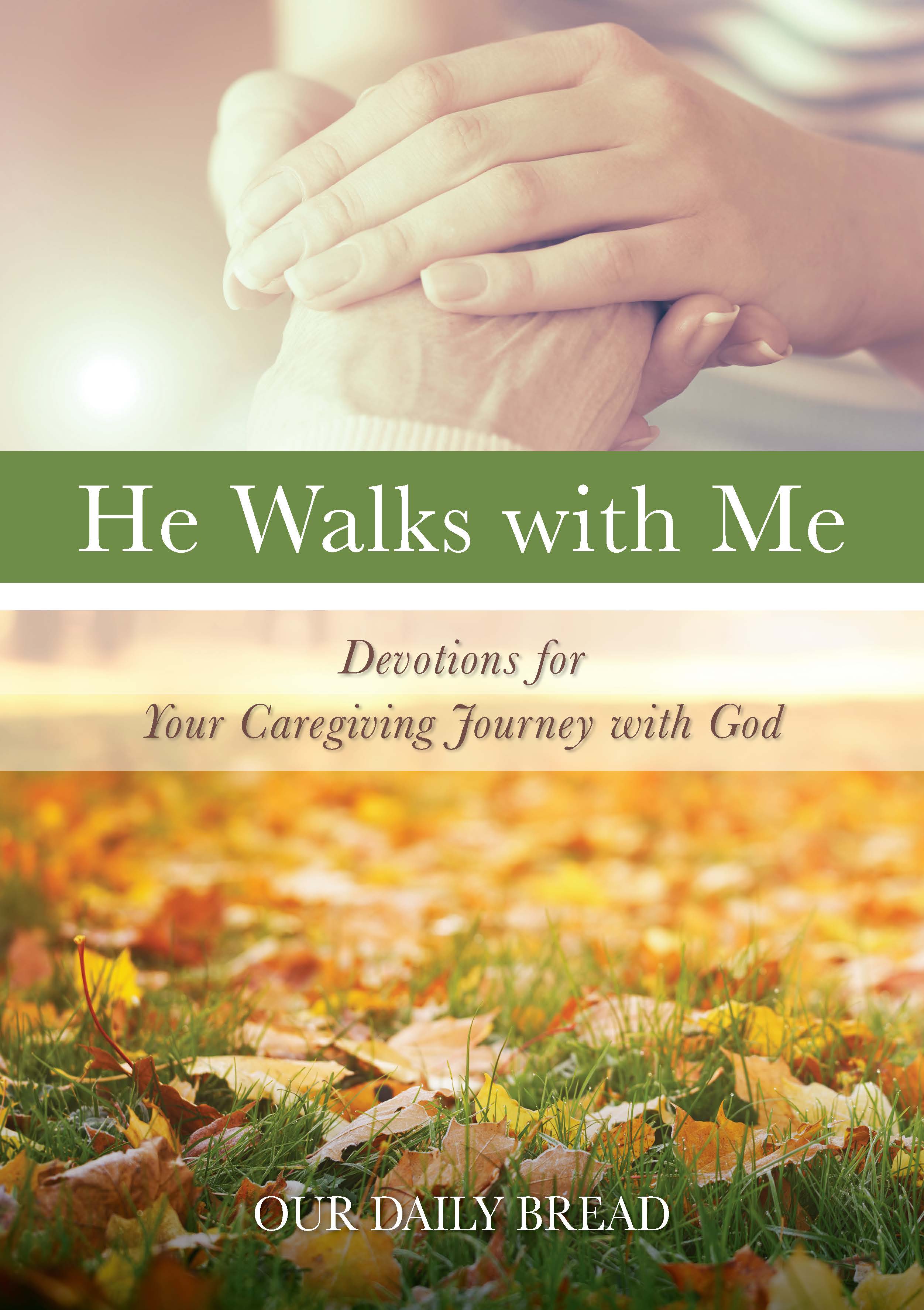 Reflection - He Walks with Me (Links), posted on Tuesday, 16 August 2022
https://veryfatoldman.blogspot.com/2022/08/reflection-he-walks-with-me-links.html
Reflection - He Walks with Me (Links), posted on Tuesday, 16 August 2022https://veryfatoldman.blogspot.com/2022/08/reflection-he-walks-with-me-links.html
"Classic Gem: Timeless Devotions from Our Daily Bread Authors", Copyright © 2021 by Our Daily Bread Ministries

Reflection - Classic Gem, Chapter 1 - 45 (Links), posted on 03 April 2023
https://veryfatoldman.blogspot.com/2023/04/reflection-classic-gem-chapter-1-45.html
"Classic Gem: Timeless Devotions from Our Daily Bread Authors", Copyright © 2021 by Our Daily Bread Ministries
Reflection - Classic Gem, Chapter 46 - 90 (Links), posted on Tuesday, 24 October 2023
https://veryfatoldman.blogspot.com/2023/10/reflection-classic-gem-chapter-46-90.html
"Making All Things New", 52 Reflections to Challenge the Way You Live, Copyright @ 2022 by Robert M. Solomon

Reflection - Making All Things New, Chapter 1 - 28 (Links), posted on Saturday, 04 August 2024
https://veryfatoldman.blogspot.com/2024/08/reflection-making-all-things-new.html
"Making All Things New", 52 Reflections to Challenge the Way You Live, Copyright @ 2022 by Robert M. Solomon
Reflection - Making All Things New, Chapter 29 - 52 (Links), posted on Saturday, 15 March 2025
https://veryfatoldman.blogspot.com/2025/03/reflection-making-all-things-new.html

Reflection - My Soul Thirsts For God, Verse 1 - 46 (Links) on Monday, 25 August 2025
https://veryfatoldman.blogspot.com/2025/08/reflection-my-soul-thirsts-for-god.html
Reflection - My Soul Thirsts For God, Verse 47 - 92 (Links) on Tuesday, 27 January 2026
https://veryfatoldman.blogspot.com/2026/01/reflection-my-soul-thirsts-for-god.html
Reference
[1] From "In The Beginning", Tracing The Gospel Story In Genesis, Copyright @ 2009 by Robert M. Solomon, Chapter 8, "God's Rainbow (Genesis 7:11-9:29)", Question 1, "Noah and his family released from the ark", Page 65.
New International Version (NIV), Holy Bible, New International Version®, NIV® Copyright ©1973, 1978, 1984, 2011 by Biblica, Inc.® Used by permission. All rights reserved worldwide.
1 John 1:7; Hebrews 13:12 - https://www.biblegateway.com/passage/?search=1%20John%201%3A7%3B%20Hebrews%2013%3A12&version=NIV
Acts 15 - https://www.biblegateway.com/passage/?search=Acts%2015&version=NIV
Acts 15:29 - https://www.biblegateway.com/passage/?search=Acts%2015%3A29&version=NIV
Acts 20:28 - https://www.biblegateway.com/passage/?search=Acts%2020%3A28&version=NIV
Colossians 1:20 - https://www.biblegateway.com/passage/?search=Colossians%201%3A20&version=NIV
Ephesians 1:7; Hebrews 9:22 - https://www.biblegateway.com/passage/?search=Ephesians%201%3A7%3B%20Hebrews%209%3A22&version=NIV
Exodus 12:1-7 - https://www.biblegateway.com/passage/?search=Exodus%2012%3A1-7&version=NIV
Exodus 12:8 - https://www.biblegateway.com/passage/?search=Exodus%2012%3A8&version=NIV
Ezekiel 1:28; Revelation 4:3; 10:1 - https://www.biblegateway.com/passage/?search=Ezekiel%201%3A28%3B%20Revelation%204%3A3%3B%2010%3A1&version=NIV
Genesis 1:28 - https://www.biblegateway.com/passage/?search=Genesis%201%3A28&version=NIV
Genesis 4:10 - https://www.biblegateway.com/passage/?search=Genesis%204%3A10&version=NIV
Genesis 7:11-9:29 - https://www.biblegateway.com/passage/?search=Genesis%207%3A11-9%3A29&version=NIV
Genesis 7:12, 18-19 - https://www.biblegateway.com/passage/?search=Genesis%207%3A12%2C%2018-19&version=NIV
Genesis 7:24 - https://www.biblegateway.com/passage/?search=Genesis%207%3A24&version=NIV
Genesis 8:1 - https://www.biblegateway.com/passage/?search=Genesis%208%3A1&version=NIV
Genesis 8:21 - https://www.biblegateway.com/passage/?search=Genesis%208%3A21&version=NIV
Genesis 9:1 - https://www.biblegateway.com/passage/?search=Genesis%209%3A1&version=NIV
Genesis 9:3; Genesis 2:9 - https://www.biblegateway.com/passage/?search=Genesis%209%3A3%3B%20Genesis%202%3A9&version=NIV
Genesis 9:4 - https://www.biblegateway.com/passage/?search=Genesis%209%3A4&version=NIV
Genesis 9:11 - https://www.biblegateway.com/passage/?search=Genesis%209%3A11&version=NIV
Genesis 9:13 - https://www.biblegateway.com/passage/?search=Genesis%209%3A13&version=NIV
Hebrews 10:19 - https://www.biblegateway.com/passage/?search=Hebrews%2010%3A19&version=NIV
Leviticus 17:11 - https://www.biblegateway.com/passage/?search=Leviticus%2017%3A11&version=NIV
Luke 24:42-43 - https://www.biblegateway.com/passage/?search=Luke%2024%3A42-43&version=NIV
Luke 9:31 - https://www.biblegateway.com/passage/?search=Luke%209%3A31&version=NIV
Mark 7:19 - https://www.biblegateway.com/passage/?search=Mark%207%3A19&version=NIV
Matthew 11:28-29 - https://www.biblegateway.com/passage/?search=Matthew+11%3A28-29&version=NIV
Matthew 26:27-28 - https://www.biblegateway.com/passage/?search=Matthew%2026%3A27-28&version=NIV
Psalm 29:10 - https://www.biblegateway.com/passage/?search=Psalm%2029%3A10&version=NIV
Revelation 5:9-12 - https://www.biblegateway.com/passage/?search=Revelation%205%3A9-12&version=NIV
- https://blogger.googleusercontent.com/img/b/R29vZ2xl/AVvXsEi_NFfuVMN_US0vPRMGbKVbIIx05gjqaM-orsLvjsCOUlWCYfFL2NdsipqY8QEIW49j1yq1qDhf1QwkX2AJYPKauYtAkm95o9GOYo_VKmQzrQ1yrC0phvlOEpIFpOANimqnQNz9e0pZCauyu_btYYCt9JQlmP9gBtNlkK6vG6aNIvAB0dpJlCWXxq5E8IE/s1984/67d07cc0fec9f721a511b2c699dc1ae6_1.png
- https://i.pinimg.com/1200x/67/d0/7c/67d07cc0fec9f721a511b2c699dc1ae6.jpg
- https://www.pinterest.com/pin/410460953602589153/
- https://blogger.googleusercontent.com/img/b/R29vZ2xl/AVvXsEijZdsYNcquDuWLg9j0vWwLjTBrWoqT6NVR6WJZEXeUcK_oIjg_ZH8Lxzo7kimlFGFnrX4IScmiGTwiRzC6PbXXtpdLSHF5c9aF3u_M__oe3dhxgVjk7AKwc74HXaYhHm8r_udj60tNXPdRdZqNG8BvTmexzzCfya_Z-HfJmwXOckZISc81qS3ZBtsFStI/s2416/Waikiki-Hurricane-Lane-waves_ImgUpscaler_Enhanced.png
- https://www.civilbeat.org/wp-content/uploads/2018/08/Waikiki-Hurricane-Lane-waves.jpg
- https://www.civilbeat.org/2018/08/hurricane-lane-live-updates/
- https://blogger.googleusercontent.com/img/b/R29vZ2xl/AVvXsEi9SprNE3m1j4kmOl_sLuJTbqxi32bXtNKFIhGfUUiGFxic3q9rvcKkHy7HAMJLAecxjUQSpK4-hlvj5aehK4z466CEMvsTi1qlGfM2ykqzBUZXFCH_TxbwwnHCU9A6M1AH9l__nVwOL_1PiHIe8yhOhnrQXf4FULAB223C2QzHsDA6EiywVjs9kp2zBKQ/s2432/9b073e84188f29e4d277a0d99e9a6426_ImgUpscaler_Enhanced.png
- https://i.pinimg.com/1200x/9b/07/3e/9b073e84188f29e4d277a0d99e9a6426.jpg
- https://www.pinterest.com/pin/1147432811338432664/
- https://blogger.googleusercontent.com/img/b/R29vZ2xl/AVvXsEjha83hdcm3upzqwGkKnBoQcugKEZ9XlfhtJf97QYJKd0HBOUQcq8Z3EDPpVX5Ot5tmKLSCiSeOcMGbMz_K3IfuOZim-UZ2DlYs9WYb5MyXKWftCWds-JNH3UXGNsQI_ztkGPzQsMv-wkbaVZL4eWQs-y84O1pF3C74NmPSs2dFtst-0yFwRMGUSuRvGKw/s1984/d7fb9d69905cbcabcdefa87b19d623e7_1.png
- https://i.pinimg.com/1200x/d7/fb/9d/d7fb9d69905cbcabcdefa87b19d623e7.jpg
- https://www.pinterest.com/pin/901001469187466203/
- https://blogger.googleusercontent.com/img/b/R29vZ2xl/AVvXsEgxZM7KUrrygBYZjOEvJtfFpkTeXVHzP1A_l0L1dVhI6hyhRdHx3c9gFxJoX3a49rdty1uwrSruH86ehan2iwsswI3KvfM1-E5f4XSJXhEmaaJdDvakKpuhvBcbaPaK3-Bvkq1SmZce6pALmbUG7LvF1yHRYqUgQGt8LA8i0SslN7kFO_FLFae-r_xWj6g/s1984/83e17f5b600e7b67273bc9b72e0c4a62_1.png
- https://i.pinimg.com/1200x/83/e1/7f/83e17f5b600e7b67273bc9b72e0c4a62.jpg
- https://www.pinterest.com/pin/754353006313464991/
- https://blogger.googleusercontent.com/img/b/R29vZ2xl/AVvXsEg20P5nlnmb3h52yHvP93q9cEyWca_b2oWW_w58W6GOX5R16AShUPgjogJxEtWTOGSjy6Zks3cGS1uBmT4ojkxq2xwjBPo2I1nFa0txZlq-qGeSY4Y4NaJHIigeYipGNaVFrtMskLhRj2N70XOBQ8Hgbsj80YJOPvw36qMCN3pIa3R06e08T-e0OLoqWCs/s1984/fposter,small,wall_texture,product,750x1000.2u4_1_ImgUpscaler_Enhanced.png
- https://ih1.redbubble.net/image.5644544809.5806/fposter,small,wall_texture,product,750x1000.2u4.webp
- https://www.redbubble.com/i/poster/Divine-Dreamscape-Noah-s-Ark-and-Iconic-Bible-Stories-by-Meta2Physical/164555806/flk2?country_code=US&epik=dj0yJnU9M0NDOUQ5VnNVbXdUd0JBeXhwVDRkRVZlYkhDYTdjZEMmcD0wJm49Z2ZzeDN0YkxsamhHdXNKajBuRVVEZyZ0PUFBQUFBR3JMVnc0
- https://www.pinterest.com/pin/610941505742919204/
- https://blogger.googleusercontent.com/img/b/R29vZ2xl/AVvXsEhmcF6q3U3dl2ZTc0XRslmGjMOpm3zG7Hei_RceV_UZxdjjyzZZKj7Bd83fu2yu83-NzWNCMJLB86DcLX_KfhgaUPRyiPen1nOwe4SVq9eBzYgUC5PF1QRnSkiuVxgCMkiAXqt39GCtpSbXG7cj9Wz-H4tXdUzE3Fu-0v0V9HImR1ds-VHZjeXWHTCYsGw/s1984/5b43ff2ffd3e4a7485e8518e714de749_ImgUpscaler_Enhanced.png
- https://i.pinimg.com/736x/5b/43/ff/5b43ff2ffd3e4a7485e8518e714de749.jpg
- https://www.pinterest.com/pin/810366526681723628/
- https://blogger.googleusercontent.com/img/b/R29vZ2xl/AVvXsEhkuHzWO9-iQ-p_CVDM6moL-SfZrdn_tMLCOET8fndD3yQ_WKcxSAXOIJOmeyusH3w1UE6kYpiOPT4m1b2Xrrls2cufjax_zvKRDUohH1Fd79x_AoNh7Y25MlG8AuU156wFGT8Kmx65VRzpOsWnlL-YNJL8k-v0R93Ep49lQV0GUSwP7WjAzutkxC_6MFw/s2016/748a010737962c84d4618862b60ad414_2.png
- https://i.pinimg.com/1200x/74/8a/01/748a010737962c84d4618862b60ad414.jpg
- https://www.pinterest.com/pin/108086459802018351/
- https://blogger.googleusercontent.com/img/b/R29vZ2xl/AVvXsEgNOXvkxHYRb1m0JW9X9IjcVXp2kUHHGp4AV_llRHXQSjycqdpZsnPi_3F1YVkS-A0mPo2KMUXrAcEYapcMsvJ40kIurUlZmGi4vHounaDGGDMD9PIeg0tLK2fA8oSMIoB22Q4mKeP78blTx-tOLlww8Wt94P6RzJAinsDsfDKqFE5yT019MlMcCshLALI/s2048/cn-11134207-7ras8-mb4rxt3mv7i1b2_2.png
- https://down-sg.img.susercontent.com/file/cn-11134207-7ras8-mb4rxt3mv7i1b2.webp
- https://shopee.sg/product/1053685587/42551021435?utm_term=PPLUS-PROS_All_All_Mix_All_L1Mix&utm_campaign=S01_ALL_PIN_SHOPPING_PPLUS_All_All_Mix_All&item_id=42551021435&utm_medium=cpc&utm_source=Pinterest&utm_content=4260609544579&pp=0&epik=dj0zJnU9NTBlZmFkM0s0ZHVhY2Q5OUw0Sy0zTUk3bmt4NVZTemgmaT1nMUVlQU9BREFBQ0FGQU1tRk1EUlB6RHJwbTdGM3VUN2ZqZVE0eHJHVG5zJmE9LTEmcD0xJm49UmNMbkZFSVlOeDJFTURuNE1aNjVFdyZ0PUFBQUFBR3JMWHNR
- https://blogger.googleusercontent.com/img/b/R29vZ2xl/AVvXsEh_uIUmRPnZ1tQngBbP5mFYv7IIOvRX7BsPUCkRHzhBVYL6LWgGm4eAnxTamMms6mJBo4lk2CkyEvKYyPyLDQRAq4AweK2kHjwrj-wN2t07YbL60NJsVD_UD4AW8LmzaaAoqKSFty4peMdP_kZjLAPlhJQ050mmkXk5MQ445tUnCBWUNmVDc_RY9y29my4/s2800/1393711360c3a9c14469b9a56dd33e31_x4.png
- https://i.pinimg.com/1200x/13/93/71/1393711360c3a9c14469b9a56dd33e31.jpg
- https://www.pinterest.com/pin/90423905016442821/
- https://blogger.googleusercontent.com/img/b/R29vZ2xl/AVvXsEgjo6x9iBLAWmlKYA83mRjRW1j37gkGC13WuSWhJJl_J2wr8kc6GAzErYfG7_oYEemAmt3iFO44Z0LW7r7yPxsWb9k5_hKIPKxTHyyf2b6hZNO3J-TNHxS-BAyUZYrNC8fxg_rhrWOyIo0-cAwxH1HUvh2KY9ioVBF5f23I0ouNJSDP0w5piso-U2oTfLY/s3600/004028e76da087025a5ebb5501ad557a_x3.png
- https://i.pinimg.com/1200x/00/40/28/004028e76da087025a5ebb5501ad557a.jpg
- https://www.pinterest.com/pin/361273201382381423/
- https://blogger.googleusercontent.com/img/b/R29vZ2xl/AVvXsEgxHYK8trUHS3-nkEdYdDSuulSYP03dMCgPh-eyzg3FYPUnz6id1n1YjKynfGUFFR8drJF-v1QPdngFg_hNW5ZAmG4_e8lF0LOlwPwqB-Zt4HE2b3ACF8SE7fo1qa-2wHN1gMjZqf0mfy0M42Hcx90noDCfLZGRvgR6H79GatUy2J2MSKl669AsIdKzX1M/s2432/43b6a787ee037bc8d4611046fccfb878_1.png
- https://i.pinimg.com/1200x/43/b6/a7/43b6a787ee037bc8d4611046fccfb878.jpg
- https://www.pinterest.com/pin/1086634216371925376/
- https://blogger.googleusercontent.com/img/b/R29vZ2xl/AVvXsEjlcNRtQNBiSpuZie3y9QKi2IcCqkBOymOQUR7aPUYiZRr40RDZ2TgrTASemkR9yKxaXT4FHSPWPEboL8Q-COvDZy7OB8Ht_0WOhhdjBjUe57Et6IWwFXEFTdFELU-79TuO41ifxqGk4CGPF0FedZj-KMFxzb48eGwEL-gOmSH5hbQu77xtG2icmchp6e0/s2000/c123bdc18b170a98922131d441083bb6_1.png
- https://i.pinimg.com/1200x/c1/23/bd/c123bdc18b170a98922131d441083bb6.jpg
- https://www.pinterest.com/pin/1121677850961854883/
- https://blogger.googleusercontent.com/img/b/R29vZ2xl/AVvXsEg7UK_a7v8aDbZnhsMxvXzF665s_FATEIOtRAAXvd7zi4UbAGGFe8kTKmKZOmQbgQGEZbNgh6S-u5tUpy9JTcQUBWeipKK-CFr42JuU9MOqwBoPHWvtEqpcQOLwextH2UaQ1DNQDmVgSkATokNGjALZFZ9-MN84js0v_rbAoFJ8nba2fxh1jN3tYwnhgeo/s2568/6b0a1ab2-6514-4052-a717-d895ba7125b8_11.png
- https://s359.kapook.com/pagebuilder/6b0a1ab2-6514-4052-a717-d895ba7125b8.jpg
- https://creator.kapook.com/gallery/274888/867711
- https://blogger.googleusercontent.com/img/b/R29vZ2xl/AVvXsEjv6PfkOGev49evYbPYhivz7xQo7W9Yc8ZgU8M1U5BNyKk7gJ9NzPABAD3DErY5fMLixFF4ttYsJzDDnnsg2ULyxafIJCDql3D8UDXXizzSggQ3svjXb9zexaBXFIogyaar41jAT6IEY3ENDh8IKmtUHkSnqj3IFbvNeHF2THVAVkPB9yZtznNa40scHP0/s4060/Bloodcannoteat_Internet_x4_x1.5.png
- https://encrypted-tbn0.gstatic.com/images?q=tbn:ANd9GcTA93MfkJz9vd11C4xCKk5qJyy1FD0_MZiplrPN8VEDK42-E6iJuLDgLHKt&s=10https://www.facebook.com/buhaychristiyano/posts/is-eating-blood-a-sinin-the-bible-blood-carries-deep-spiritual-significance-for-/1293143532843684/ - (Bloodcannoteat_Internet_x4_x1.5.png)
- https://blogger.googleusercontent.com/img/b/R29vZ2xl/AVvXsEi1PatxdtvdLktdHWyWYGZJ_TwkDhtMIxNEuPqjrsSgBWn0O-6cgwZ5eokngTtet3cQ5NSVX6gNb-b8wbElNH1CjKP1ULZMYyX5uqNg1Li7pR941Uo1MQMQMbHZLZJ0oMP4li7vSx45iLIgzcNVT1I9O4Ik8aQiXLjt8ekrAPMLyRBhrA8dekLJOe-Juto/s2192/829171191_1162254503133823_3882572296864707641_n_ImgUpscaler_Enhanced.png
- https://scontent.fsin14-2.fna.fbcdn.net/v/t39.99422-6/829171191_1162254503133823_3882572296864707641_n.png?stp=dst-jpg_tt6&cstp=mx1122x1402&ctp=s1122x1402&_nc_cat=102&_nc_map=urlgen_bucketless&ccb=1-7&_nc_sid=833d8c&_nc_ohc=GH4VVdFvIYQQ7kNvwF0-sJA&_nc_oc=AdqeNmmxj4ulhUTvU4gXMSc1fwGUBaOQm4DTvvqgcwg0nHiF3aPsi3kabJoB2YlIDyQ&_nc_zt=14&_nc_ht=scontent.fsin14-2.fna&_nc_gid=sytMppxOV9VrNTPOQ0KdTw&_nc_ss=7b2a8&oh=00_AQNBBJ3hYziMedQRenRM4aW_gj2NFmORJodxpt73qz9JwQ&oe=6AD6A37A
- https://www.facebook.com/photo/?fbid=122158715931130791&set=a.122093695293130791
- https://blogger.googleusercontent.com/img/b/R29vZ2xl/AVvXsEhpEh6hW7Dc6rJUogjNx6ktHOqGqTpO7N1hknJzM7Qlta8ssDKxpJygs5Z8iUk4S6Td7Z9F6fIsEDox4Kyi9jGegr5X-ijcXTiwBGiYOnDjnemybhRhAun_pDKQzKeCfTa-fl8aHFzYhbEsMi96Lw-3COcLx85tkId9PlpuOdCH-LS21cQShy3s8hCjZFQ/s2048/d4284827aa64cdea2a66f26c231c562f_LinoCutEdited_Enhanced.png
- https://i.pinimg.com/1200x/d4/28/48/d4284827aa64cdea2a66f26c231c562f.jpg
- https://www.pinterest.com/pin/737183032786821894/
- https://blogger.googleusercontent.com/img/b/R29vZ2xl/AVvXsEgHyQyufGqVrZZvmXZfYqZz-SMgvbzUhH6pO4voS4w_QXNVyuHwkPgGnmYhC-NFJUfHRm8wwRaYQ8HvDkwmkExuchsjB9m_LnGJ6O-COzL9BSkh2ZXHaC5yDyNGTjlH8mfrflckqmiQY0UM_9QrFiGQG9NA31QeqwT7oVkWD_7EfMto6vzb3NPbbo8LLM0/s1984/df774ef6ade329e013d849dd3daf3a90_1.png
- https://i.pinimg.com/1200x/df/77/4e/df774ef6ade329e013d849dd3daf3a90.jpg
- https://www.pinterest.com/pin/928656385673333927/
- https://blogger.googleusercontent.com/img/b/R29vZ2xl/AVvXsEgKks7C5PX5-l8ELWbjXfhOq8THHxY1ETo7p6fjgP00bHXdzT2uLJJ1IOAmL8pv5G1N-SV2Tnj1CKB-d6zAoDfgOefiJR9oFRFYsspvz5sMyRcRdKZWOpyWdHn-6Fx1OPnM_HZUO46TlYQdy_2SusTh-PCLs6ZYkyX_DJwPaVbPEUJCgMiGqDAOiXT6VbM/s2000/f12bf8796edfb4f00de1cd976dd4ff71_ImgUpscaler_Enhanced.png
- https://i.pinimg.com/1200x/f1/2b/f8/f12bf8796edfb4f00de1cd976dd4ff71.jpg
- https://www.pinterest.com/pin/65865213296343732/
- https://blogger.googleusercontent.com/img/b/R29vZ2xl/AVvXsEgbD8Ca-1DXJcl9UJdJRPxQFvXtzU3-a222VyW_17X5ruag5nGZnyHCJhTL40KZ9DaysAbUDoC_KZND6ze_N0o0QgHFpewM9RRCPuhK7IgbAewcQMK4LTWHGJy4wuaHMSncCSQv5MoZ82Zfiy7zCoRRHCn-94PBvNS-Z3xRbG4288n9fS1Z2xHwFZ1gcIk/s2208/97ed872a56379dcf88818990ab228d0d_1.png
- https://i.pinimg.com/1200x/97/ed/87/97ed872a56379dcf88818990ab228d0d.jpg
- https://www.pinterest.com/pin/1094234040753239900/
- https://blogger.googleusercontent.com/img/b/R29vZ2xl/AVvXsEjDyfX8doj4RSdzAQtWLo6aF2Zo3quUNlC3DM0QaZWrd_iMLmojCqIePoFoAHIK7QyFJdEbFuVfefJWWZPviZpmVnFHTN7fHVtnL1KDahKkioJqFTbDF0HxY1mqiYE46lLT9JIz0STfAs2UQe5JJGc1JzD9DLsvHx-Z97cLfhVkSv5E_OGxruln60kN0Ow/s1984/f7e6acdb4f8d1f20ef115b89ef69802d_ImgUpscaler_Enhanced.png
- https://i.pinimg.com/1200x/f7/e6/ac/f7e6acdb4f8d1f20ef115b89ef69802d.jpg
- https://www.pinterest.com/pin/7107311907951927/
- https://blogger.googleusercontent.com/img/b/R29vZ2xl/AVvXsEhWeVKH_6Yl6H5GMRC16lNTsTj9afSvms4qRHx7r7s-8jAC_s4nye_JzTmkLIm821rgxXHO2oXVce_mv1nCCWba6tOfP_se3WO347i9tBEbw0uKWBAfOyvGyqOyIrEjvo1roMgCRXhIetk1DZcEfdD5GJANeEkVldaQE3_66GQeUdf8NiBsk48fT53wyVo/s2304/630962899_18569385001006300_5267246284573434871_n_ImgUpscaler_Enhanced.png
- https://instagram.fsin15-1.fna.fbcdn.net/v/t51.82787-15/630962899_18569385001006300_5267246284573434871_n.jpg?stp=dst-jpg_e35_tt6&_nc_cat=107&_nc_map=urlgen_bucketless&ig_cache_key=MTE1MTU4ODk0MTYwNzAyMjI2OQ%3D%3D.3-ccb7-5&ccb=7-5&_nc_sid=58cdad&efg=eyJ2ZW5jb2RlX3RhZyI6IkZFRUQueHBpZHMuMTA4MC5zZHIucmVndWxhcl9waG90by5DMyJ9&_nc_ohc=jOnQ07hffYMQ7kNvwHMuNLc&_nc_oc=Adqgs3BfJptreAnRoF0G8GRwQjUhU4D4KxtKRO0i87zxfLMjo41Th0Xg3dzvCysDhkg&_nc_zt=23&_nc_ht=instagram.fsin15-1.fna&_nc_gid=1mKkR6H8NYt52tWfqMEDNQ&_nc_ss=7b689&oh=00_AQNGh6Tz9UM2XaVsmmggOh7aUVXDT1KchidWJKeB5O5zNw&oe=6AD6B0C1
- https://www.instagram.com/p/_7RAp_wS69
- https://blogger.googleusercontent.com/img/b/R29vZ2xl/AVvXsEgK0IJusB-KzlSv3qwKMbf74bIy3Xfh9a7Gviki3WP4qBd_CPe_xiZ4aUMHsbSChay0C7JZM0ID6zqwsXZPz6T61TTJyrVSDbcOTDSTAiAuUvxOgPCtOQ6YimPzuoNIN_y7G7xJdUg9Znhs8Oce3v02pkW9KCgDWv3jMAwXjBf8l8j-ZVwXcJIQDc13-v0/s1984/33b6663f66642df58f3719ed42a536b2_1.png
- https://i.pinimg.com/1200x/33/b6/66/33b6663f66642df58f3719ed42a536b2.jpg
- https://www.pinterest.com/pin/728879520980569163/
- https://blogger.googleusercontent.com/img/b/R29vZ2xl/AVvXsEhfAmLaiIVnKpMrEKmofDYBxWCvywjnoRaLUJeJEdV5ycGVkPsdu8-1vuP4ROxbEw9H44UUiNPgtcCiJh-4P1mgBB7ncBCKZjrRwWUBROtieTr7I369IOYtz10xjWRLJxdpdyULCZLl76-V44phqlpedildPg35aBN6p9tMOkeMGFUQoonwJbIbIOBx0d0/s2352/1d66c7d2d5538fa96b0ba61393cfa812_PixelcutExtended_ImgUpscaler_Enhanced.png
- https://i.pinimg.com/1200x/1d/66/c7/1d66c7d2d5538fa96b0ba61393cfa812.jpg
- https://www.pinterest.com/pin/844495367666271156/
- https://blogger.googleusercontent.com/img/b/R29vZ2xl/AVvXsEjxzi-vuf5ByFq8eicIYbFOHLPOjvmeXXIEGznWxKe6ri628gk_ZbzfcqEOX-NiHmm-F2uTXi02klfkXYl5xXrfA08sEjDCLIV4wNOAzDxeE8xqpe7WPOmeBDxOulk478y-QUyUp5bAAX9McdTNTdC0V9cPmRN0vACbp0U_iFM7yFtbqv_FgBWHkBetggc/s2192/9f110b227596a8b72a910a48b292fcbf_11.png
- https://i.pinimg.com/1200x/9f/11/0b/9f110b227596a8b72a910a48b292fcbf.jpg
- https://www.pinterest.com/pin/1142366261761998138/
- https://blogger.googleusercontent.com/img/b/R29vZ2xl/AVvXsEiaW3Rze7dVvQnjcQtrI2bWHy4SuDKOlof6Xo0QfIcvqZbQAN6u3gDs-BH-7Sn7OKq3MJ7N7CMDxeTidWQLq3ocM5KEAY6warH9QBHDUVpJeteHOMcymAo3JB05vLFdgju-0L1-zonr86aSlgAWTfcpNWS8HB8spMKvEtYhj8ZULTzu1STbfebnPQOso_U/s2368/63e3d55563a0ca0fd5ea5d880166e8fa_PixelcutExtended_ImgUpscaler_Enhanced.png
- https://i.pinimg.com/1200x/63/e3/d5/63e3d55563a0ca0fd5ea5d880166e8fa.jpg
- https://www.pinterest.com/pin/865043040951520984/
- https://blogger.googleusercontent.com/img/b/R29vZ2xl/AVvXsEioVc13Dw2Vvc7CcNbMPcbN7JZVm1sfXysjIqr3Xmd1zZ7oUupBn39kzVI_Y_eyycUpDV8ze8wsmcbHRSYh_DZe45KuF761aTINFbfufFf9bB_4DK6hB6KF4V8_McSwKZvI_4d8jdUYO3hXtmxUzY0S8U1ATdPwY0xboQU5A3eISY5R0rX3F2QHysgTa6A/s2048/ba5748855f267661676d7ec2d8fc0b5c_1.png
- https://i.pinimg.com/1200x/ba/57/48/ba5748855f267661676d7ec2d8fc0b5c.jpg
- https://www.pinterest.com/pin/925771267172876604/