Showing posts with label potassium. Show all posts

Monday, August 31, 2015

Low Potassium Diet

By Nutrition & Dietetics Department, Khoo Teck Puat Hospital


Paleo food pyramid
PHOTO: Paleo food pyramid
Source: Singapore Health Promotion Board
https://blogger.googleusercontent.com/img/b/R29vZ2xl/AVvXsEjSShob6iAh3nYZIXLgq1hBSAJWE-TR5KucOuuTOs84pJme_KtigTfwMZz3JBUZIvVTBb3qXdOOO7oNseTd11Y-qHHx9hZ9xNPNfVILqgdPyuXkCBEBx0XN3FWbXCWNC8qsUhPlRRn40_s/s1600/healthy-diet-pyramid.jpg
http://paleorina.com/wp-content/uploads/2013/06/healthy-diet-pyramid.jpg?w=500
http://paleorina.com/paleo-food-pyramid/


What is Potassium?

  • An important mineral that mainly regulates normal function of our muscles (including heart) and nerves.
  • Found in many foods such as fruits, vegetables, wholegrains, milk and diary.
  • Blood potassium level is regulated by your kidney through urine and maintained at the range of 3.5 to 5.1 mmol/L.
 
Function of our Heart
PHOTO: Function of our Heart
Posted by Portal Zdrowia Seksualnego on 01 August 2014
https://blogger.googleusercontent.com/img/b/R29vZ2xl/AVvXsEgoRuw__Q94Z9HX_wC-UubLEa28VjUfGyKRLNijkowXuVqovKlMWPgSGcKuQzVs6oF_RiW1t_nzxoNT1BMBJEgCnVA4NRZP16YfAyEUTEcDNqD7rzqQPkpCaKY4rJhAtPhaFC3wRLl3xPM/s1600/Depositphotos_3274771_m.jpg
http://portalzdrowiaseksualnego.pl/wp-content/uploads/2014/05/Depositphotos_3274771_m.jpg
http://portalzdrowiaseksualnego.pl/czterdziesci/zawal-serca-seks-emocje/

 
Hyperkalaemia (High potassium in the blood)

  • May happen to people with chronic kidney disease and those on certain medications for blood pressure.
  • It will interfere with our muscle functions, including heart muscles which may lead to irregular heart beat.
  • Under the direction of the clinician, limit the amount of potassium in the diet to keep the potassium level close to normal.

How diet may help you maintain your blood potassium level within the normal range?
Tip #1: Eat a healthy balanced diet with limited intake of high potassium foods and drinks.
Tip #2: Enjoy 2 serves each of fruits and vegetables. Watch your portion sizes because excessive intake of fruits may lead to high potassium level in e.g. fruit/vegetables juices.
Tip #3: Potassium is easily leeched out into the water. To do this, try,
1. Cut your vegetables into smaller pieces, then
2. (a) Soak in water for at least 2 hours → drain away water before cooking → boil in plenty of water for 10 to 15 minutes (OR)
(b) Boil in plenty of water for 10 to 15 minutes → drain away water after cooking → repeat the boiling again
Remember do not use the same water to make soup or gravy
Tip #4: Do not use potassium-rich salt e.g. PanSalt and Losalt. Use more herbs and spices to enhance the flavours of your foods.

Fruit Potassium per serving

Simple Ways to Reduce Salt intake in Your Diet - Tips 3-6 jpg
PHOTO: Simple Ways to Reduce Salt intake in Your Diet - Tips 3-6 jpg
Source: Nutrition & Dietetics Department, Khoo Teck Puat Hospital
https://blogger.googleusercontent.com/img/b/R29vZ2xl/AVvXsEgWkRIP9IzxbkVrIQHF4RZO0Q12aaXeaeh2E_5TXQBOf_jKpnFVDMIlES3VaJ45LZtuYtK4Mmds5ejzfx8NeaXL2wd27fyN_QlqH4Al52J5C-ZTin-yNHISUGJ2gPQX4Xfx-2oDfynk714/s1600/Simple+ways+to+reduce+salt+intake+in+your+diet+-+Tips+3-6.jpg


By Nutrition & Dietetics Department, Khoo Teck Puat Hospital


Rev WN, GT, PW / 1111
This information is for educational purpose only. This is not intended for use in the diagnosis or treatment of any health condition without consulting a qualified healthcare professional. Khoo Teck Puat Hospital shall not be responsible for any injury nor damage caused to any individual as a result of using this information, directly or indirectly. You should seek the advice of your healthcare professionals in relation to queries pertaining to any health condition. Please contact Khoo Teck Puat Hospital at (65) 6555 8828 if you wish to make an appointment to consult with our dietitians or pharmacists. You may download and print this information for your personal use only. You may not reproduce, distribute, modify, transmit, post, or otherwise use this content for public or commercial purposes without prior written permission from the Nutrition & Dietetics Department Khoo Teck Puat Hospital. All rights reserved. © Nutrition & Dietetics Department


Reference

Sunday, January 1, 2012

Potassium in diet cuts health risk from salt

MY PAPER, WEDNESDAY, DECEMBER 28, 2011, PAGE A12, World
From http://epaper.mypaper.sg/cnd/fvxen/fvxp/fvxpress.php?param=2011-12-28
By New York Times, NYT

Source Website: http://www.nytimes.com/2011/12/27/health/high-sodium-to-potassium-ratio-in-diet-is-a-major-heart-risk.html
"Sodium-Saturated Diet Is a Threat for All"
By JANE E. BRODY, Published: December 26, 2011


PHOTO: "Sodium-Saturated Diet Is a Threat for All"
By Yvetta Fedorova, Copyright 2011 The New York Times Company, December 27, 2011
http://graphics8.nytimes.com/images/2011/12/27/science/27BROD/27BROD-popup.jpg
http://www.nytimes.com/2011/12/27/health/high-sodium-to-potassium-ratio-in-diet-is-a-major-heart-risk.html


Maybe you think you don’t have to worry about salt. After all, you don’t have high blood pressure, you’re not overweight and you exercise regularly.

Well, think again. A major study, based on data from more than 12,000 American adults, took into account all those risk factors for death from heart disease. The researchers found that while a diet high in sodium — salt is the main source — increases your risk, even more important is the ratio of sodium (harmful) to potassium (protective) in one’s diet.


PHOTO: Fish and chips wouldn't be the same without it: But now scientists say the yearning for salt stimulates the brain like addiction to hard drugs
http://i.dailymail.co.uk/i/pix/2011/07/12/article-0-03D80A5F000005DC-583_468x415.jpg
http://www.dailymail.co.uk/health/article-2013703/Why-salt-addictive-It-stimulates-brain-cells-just-like-cigarettes-hard-drugs.html#ixzz1i8vE3B9G


When people whose meals contained little sodium relative to potassium were compared with those whose diets had a high sodium-to-potassium ratio, the latter were nearly 50 percent more likely to die from any cause and more than twice as likely to die from ischemic heart disease during a follow-up period averaging 14.8 years.

Although there has been on-and-off controversy about the value of limiting dietary salt, there is no question that a high level of sodium in the diet raises blood pressure and the risk of chronic hypertension by stiffening arteries and blocking nitric oxide, which relaxes arteries. Hypertension, in turn, contributes to heart disease and stroke, leading causes of death.


PHOTO: A high level of sodium in the diet raises blood pressure and the risk of chronic hypertension
http://www.healthytimesblog.com/wp-content/uploads/2011/05/Healthy-Heart.jpg
http://www.healthytimesblog.com/2011/05/lower-your-blood-pressure-naturally-1/


Potassium, on the other hand, activates nitric oxide and thus reduces pressure in the arteries, lowering the risk of hypertension.

“We controlled for all the major cardiovascular risk factors and still found an association between the sodium-potassium ratio and deaths from heart disease,” said Dr. Elena V. Kuklina, a nutritional epidemiologist at the Centers for Disease Control and Prevention and an author of the study, published earlier this year in Archives of Internal Medicine.

“With age, the risk of high blood pressure increases. The lifetime risk in this country is 90 percent. If you live long enough, you’re at risk.”

According to an Institute of Medicine report on sodium released last year, “No one is immune to the adverse health effects of excessive sodium intake.”


PHOTO: The body’s requirement for sodium is very low — only 220 milligrams a day — but the average American consumes more than 3,400 milligrams daily.
https://blogger.googleusercontent.com/img/b/R29vZ2xl/AVvXsEgK4qRpqeV2wPdqID6NDBxqXSZjU9CJvH1GMuz7eEfl5nrYDZRIaGIugVoal_tIUPhP-dsvn6HqFWMTvVLCctyyl2zX8XD9GhZ43HVQVVPlOYnJGU6L5pjqCg2Bq158QNn8e9MfHI6K7Uw/s1600/Salt+photo.jpg
http://amveruscg.blogspot.com/2011/12/what-were-reading.html


Our High-Salt Diet
Ninety percent of the sodium in the American diet comes from salt, three-fourths of which is consumed in processed and restaurant foods. Salt added in home cooking and at the table accounts for only a minor proportion of sodium intake.

The body’s requirement for sodium is very low — only 220 milligrams a day — but the average American consumes more than 3,400 milligrams daily. The current Dietary Guidelines for Americans recommend a maximum of 2,300 milligrams (about a teaspoon of salt) for people over age 2, but only 1,500 milligrams for the 70 percent of adults at high risk of sodium-induced illness: people older than 50, all African-Americans, and everyone with high blood pressure, diabetes or chronic kidney disease.

Despite widespread efforts to get people to consume less sodium, intake of this nutrient has increased significantly since the early 1970s as consumption has risen of processed and restaurant foods, which rely heavily on salt as a cheap way to enhance flavor and texture and preserve food. Because salt is categorized by the Food and Drug Administration as G.R.A.S., or “generally recognized as safe,” there is no limit to the amount food producers can use in a product.

To make matters worse, not only does the amount of sodium rise precipitously when foods like tomatoes and potatoes are processed, but the natural potassium in these foods declines significantly, worsening the sodium-potassium ratio.

The profligate use of salt in foods prepared outside the home has created an American preference for a salty taste, a preference that can be reversed with no loss of consumer pleasure if done slowly, said Dr. Thomas A.Farley, commissioner of New York City’s Department of Health and Mental Hygiene.

His department is leading a national effort started in 2008 to get food producers and restaurants to gradually reduce the salt in their products. Thus far, 28 national food companies, retailers and supermarket chains, including Kraft, Subway, Target and Delhaize America, have made a commitment to the National Salt Reduction Initiative to cut sodium in their products by an average of 25 percent by 2014.

But Dr. Jane E. Henney, chairwoman of the committee that produced the Institute of Medicine report, said this is still just a voluntary effort, and to make a lasting nationwide difference in sodium intake, the government needs to push harder for change. The report said, “What is needed is a coordinated effort to reduce sodium in foods across the board by manufacturers and restaurants — that is, create a level playing field for the food industry.”

Dr. Henney, a public health specialist at the University of Cincinnati College of Medicine, said it is time to modify the G.R.A.S. status of salt because it can no longer be considered safe under current conditions of use.

This would allow the Food and Drug Administration to place limits on the amounts of salt that can be used commercially in preparing various types of foods.

The report stated that “population-wide reductions in sodium could prevent more than 100,000 deaths annually.”

It can be done, if there is a will. Through decades of voluntary efforts and regulation, Finland managed to cut sodium intake by one-third, which has resulted in a decrease in hypertension and premature deaths from stroke and coronary heart disease.


PHOTO: Eating more of these good-for-you foods may help you be happier and healthier.
http://images.agoramedia.com/everydayhealth/gcms/eat-to-defeat-menopause-08-pg-full.jpg
http://www.everydayhealth.com/menopause-pictures/eat-to-defeat-menopause-symptoms.aspx#/slide-1


What You Can Do
Dr. Kuklina recommends eating fewer processed foods, especially processed meats, and more fresh fruits and vegetables and dairy products that are low in sodium, like yogurt and milk. Increase your potassium intake not by taking supplements, but by eating more cantaloupe, bananas, oranges, grapes, grapefruit, blackberries, yogurt, dried beans, leafy greens, potatoes and sweet potatoes.


PHOTO: Cantaloupe ("Rockmelon") - A small, round melon of a variety with orange flesh and ribbed skin. Make sure it is firm on the outside and has a yellow toned skin.
http://www.asklubo.com/uploads/attachments/published/8/1089/en/cantaloupe-melon.jpg
http://www.asklubo.com/en/food-drinks/how-to-avoid-buying-rotten-cantaloupe


PHOTO: Bye, Bye Sodium, Hello Potassium
Yes, You cut out that sodium, but most people aren’t aware of the benefits of potassium, which counters sodium’s ill effects. According to the 2010 Dietary Guidelines for Americans, people with hypertension may especially benefit from upping the amount of potassium in their diet. Adults should get at least 4,700 milligrams a day. A few good sources: bananas (422 milligrams each), a baked potato with skin (738 milligrams), orange
juice (496 milligrams per cup), and nonfat or low-fat yogurt (531–579 milligrams per 8 oz).
http://www.healthytimesblog.com/wp-content/uploads/2011/05/Potassium-rich-foods.gif
http://www.healthytimesblog.com/2011/05/lower-your-blood-pressure-naturally-1/


When ordering in a restaurant, she suggests, ask that your food be prepared without added salt and your vegetables steamed, and always request that salad dressings and sauces be served on the side, enabling you to use far less than the chef might. Consider splitting an order between two people, which would cut the salt intake in half. And if a dish arrives that is too salty, send it back to the kitchen.

Avoid fast-food restaurants, where a single meal can contain a day’s worth of sodium.


PHOTO: Dr. Kuklina recommends eating fewer processed foods, and more fresh fruits
http://healthylifestylealternatives.com/wp-content/uploads/2010/09/Healthy-Eating-Shortcuts_full_article_vertical.gif
http://healthylifestylealternatives.com/archives/1080


When shopping, Dr. Farley said, “read labels and compare products, then choose those with lower sodium.”

He acknowledged that products labeled “low sodium” or “no added salt” can turn off consumers, who think they’ll be tasteless. But you can always add a modest amount of salt at the table.

He also suggested asking food companies to use less salt in your favorite products and supporting the government’s efforts to reduce sodium consumption by commenting on a proposal published on Sept. 15 in the Federal Register (Docket No. FDA-2011-N-0400 and Docket No. FSIS-2011-0014). The easiest way to comment is through the American Heart Association’s Web site: www.heart.org/sodium, then click on “Send your comment letter today.”


PHOTO: Foods High in Potassium
Though a lot of people associate bananas with potassium, there are a number of other foods that are high in potassium, which Schmitt defines as having at least 350 milligrams of potassium per serving.

In addition to bananas, Schmitt’s high-potassium food favorites include dried apricots, cantaloupe, beets, figs, honeydew melon, and orange juice. “Cantaloupe and honeydew are great [for potassium] because people tend to eat more cantaloupe in one sitting than they would bananas or dried apricots,” she says. Other foods that are high in potassium include potatoes (with the skin on), soy products, dairy products, and meats.
http://www.cuisineonline.pk/wp-content/uploads/2011/01/Diet-Meal-Plan.jpg
http://www.cuisineonline.pk/diet/potassium-and-diet/


HELPDESK
我的字典: Wǒ de zì diǎn


Nitric oxide: 一氧化氮 - yī yǎng huà dàn
Sodium intake: 钠盐摄入量 - nà yán shè rù liàng
Processed foods: 加工食品 - jiā gōng shí pǐn
Supplements: 补充品 - chōng pǐn


PHOTO: Cantaloupe Sandals by `ursulav
Traditional Art / Paintings / Surreal, ©2007-2011 `ursulav
A series of shoes grown to Finchbones's specifications by teams of underpaid but fanatical gardeners.
http://fc05.deviantart.net/fs14/f/2007/008/f/3/Cantaloupe_Sandals_by_ursulav.jpg
http://ursulav.deviantart.com/art/Cantaloupe-Sandals-46235926


Reference

Friday, August 26, 2011

Potassium-rich diet lessen stroke risk

MY PAPER FRIDAY AUGUST 19, 2011, PAGE A15, WORLD
From
http://epaper.mypaper.sg/cnd/fvxen/fvxp/fvxpress.php?param=2011-08-19
Source Website:
http://www.presstv.ir/detail/194498.html
By
Reuters, Thu Aug 18, 2011 10:47AM GMT


PHOTO: High-potassium foods are generally healthy ones, including beans, a variety of fruits and vegetables, and low-fat dairy.
http://previous.presstv.ir/photo/20110818/mortazavi20110818092004890.jpg http://www.presstv.ir/detail/194498.html


People that enjoy a diet high in potassium may be at a lower risk of developing a stroke, compared to counterparts who consume less amounts of the mineral.

A review of 10 international studies involving nearly 270,000 middle-aged and older adults showed Swedish scientists that stroke risk decreased as people's reported potassium intake went up.


PHOTO: Many normal functions of the body depend on the proper amounts of potassium in the body.
http://www.resveratroltruth.org/wp-content/uploads/Does-resveratrol-deplete-potassium-from-your-body-1.png
http://www.resveratroltruth.org/does-resveratrol-deplete-potassium-from-your-body.html


According to the results, every 1,000-milligram (mg) increase in daily potassium intake were associated with one percent lower odds of stroke in the next five to 14 years, the scientists wrote in the journal Stroke.

"Dietary potassium intake is inversely associated with risk of stroke," wrote lead researcher Susanna Larsson, of the Karolinska Institute in Stockholm.


PHOTO: Benefits and Nutrition in nuts/Grains
http://mundoverde.com.br/blog/wp-content/uploads/2010/04/050.jpg
http://mundoverde.com.br/blog/tag/receita/
https://lh4.googleusercontent.com/-DIln2rH94UA/TkOUopH6xUI/AAAAAAAAAGw/uuy4sWT6CL4/Nuts-and-seed.jpg
http://healthism.blogspot.com/2011/08/food-and-nutrition.html


Since high-potassium foods are generally healthy ones, including beans, a variety of fruits and vegetables, and low-fat dairy, the findings offer one more reason for people to eat more of them, Larsson told Reuters Health.


PHOTO: SWEET POTASSIUM: The sweet potato is an excellent source of potassium.
(Photo: USDAgov/Flickr)
http://www.mnn.com/sites/default/files/PotassiumStroke_main_0818.jpg
http://www.mnn.com/food/healthy-eating/stories/potassium-rich-diet-tied-to-lower-stroke-risk


Potassium is an electrolyte needed for maintaining the body's fluid balance, and is also involved in nerve and muscle control, and blood pressure regulation. Studies suggest that high-potassium diet helps maintain a healthy blood pressure and possibly protect against heart disease and stroke.

The researchers said that the mineral was specifically associated with a lower risk of ischemic strokes, those caused by a blockage in an artery feeding the brain, which account for about 80 percent of strokes.


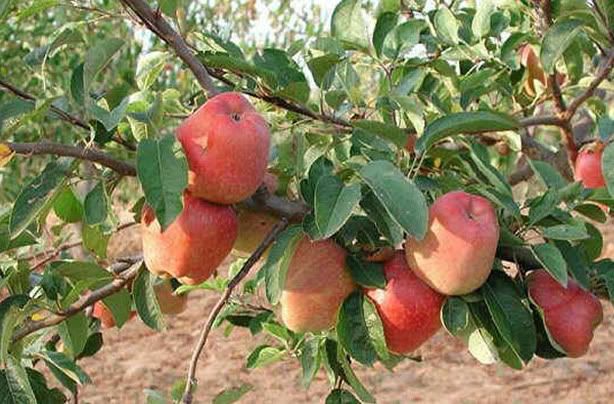
PHOTO: Foods with Potassium - Apples
http://www.gardentipsandtricks.com/wp-content/uploads/17_5_orig.jpg
http://www.gardentipsandtricks.com/foods-that-help-you-lose-the-dangerous-belly-fat/


However, potassium was not linked to lower odds of hemorrhagic strokes, which occur when there is bleeding in the brain, Larsson and her team added.

If potassium protects against ischemic stroke only, that would suggest there are reasons other than better blood pressure control, the researchers suggested.
By Reuters, Thu Aug 18, 2011 10:47AM GMT, SJM/MB


PHOTO: Eating breakfast – some people think that skipping meals will help them to lose weight, wrong!
Skipping breakfast is the biggest mistake people make. When you wake up your body is conserving energy as it doesn’t know if and when you will eat again. By eating breakfast you are telling it that food is available and your metabolism increases so you actually burn up more fat during the rest of the day.

http://placeresnaturales.files.wordpress.com/2011/01/foto1.jpg
http://placeresnaturales.wordpress.com/2011/01/13/comienza-el-ano-de-una-forma-saludable/
http://easydietmanager.com/


HELPDESK
我的字典: Wǒ de zì diǎn

Potassium: 钾 - jiǎ
Heart disease: 心脏病 - xīn zàng bìng
Ischemic strokes: 缺血性中风 - quē xuè xìng zhòng fēng
Excrete: 排出 - pái chū


Reference