By Bernard Goh - My week 4 attachment at SGH in the Nursing course

PHOTO: Time past very fast. We are now into our 3rd and 4th week at the surgical block. Theoretical knowledge and practical skills are both indispensable. In fact they complement each other when comes to error detection, error prevention, and making the decisive course of action.
Experience and information are required to perform the tasks efficiently with minimum discomfort to the patients. This is where proper documentation plays an important part in the healthcare process. Records of patients need to be created and kept properly for the benefits of everybody in the team. Patients' admission, medication, drugs allergy, treatment, history and after discharge planning are vital information that every healthcare professional must know how to record, maintain and use.
Picture posted by SporeLa.com
https://blogger.googleusercontent.com/img/b/R29vZ2xl/AVvXsEh034S7rWVWgeXMxX0huj92lE8cSnK7juT0e2rncNMFfq-uoZ3lnC5iu3ovenvNAJLhSZGzo2WxLG4wqk1phVyUPy7ersD1KBahj5FzhTLhJqSz9nGcPWNr2EFAiyec7EcbTDfZvZ2ry_8f/s1600/singapore_general_hospital_pic2a-400px.jpg
http://www.sporela.com/images/media2014/frontpage2015/2015/singapore_general_hospital_pic2a-400px.jpg
http://www.sporela.com/index.php/latest-singapore-news/2062-22-acute-hepatitis-c-infections-found-in-singapore-general-hospital-sgh-incident-being-reviewed
Without noticing, we are already approaching the last week of surgical posting at SGH. It has definitely been a very tiring but fulfilling journey for our first posting at an acute hospital. Theory and practical may not always be exactly similar but theoretical knowledge is definitely indispensable from preventing avoidable errors from happening.
Experience and information are required to perform the tasks efficiently with minimum discomfort to the patients. This is where proper documentation plays an important part in the healthcare process. Records of patients need to be created and kept properly for the benefits of everybody in the team. Patients' admission, medication, drugs allergy, treatment, history and after discharge planning are vital information that every healthcare professional must know how to record, maintain and use.
Picture posted by SporeLa.com
https://blogger.googleusercontent.com/img/b/R29vZ2xl/AVvXsEh034S7rWVWgeXMxX0huj92lE8cSnK7juT0e2rncNMFfq-uoZ3lnC5iu3ovenvNAJLhSZGzo2WxLG4wqk1phVyUPy7ersD1KBahj5FzhTLhJqSz9nGcPWNr2EFAiyec7EcbTDfZvZ2ry_8f/s1600/singapore_general_hospital_pic2a-400px.jpg
http://www.sporela.com/images/media2014/frontpage2015/2015/singapore_general_hospital_pic2a-400px.jpg
http://www.sporela.com/index.php/latest-singapore-news/2062-22-acute-hepatitis-c-infections-found-in-singapore-general-hospital-sgh-incident-being-reviewed
Without noticing, we are already approaching the last week of surgical posting at SGH. It has definitely been a very tiring but fulfilling journey for our first posting at an acute hospital. Theory and practical may not always be exactly similar but theoretical knowledge is definitely indispensable from preventing avoidable errors from happening.
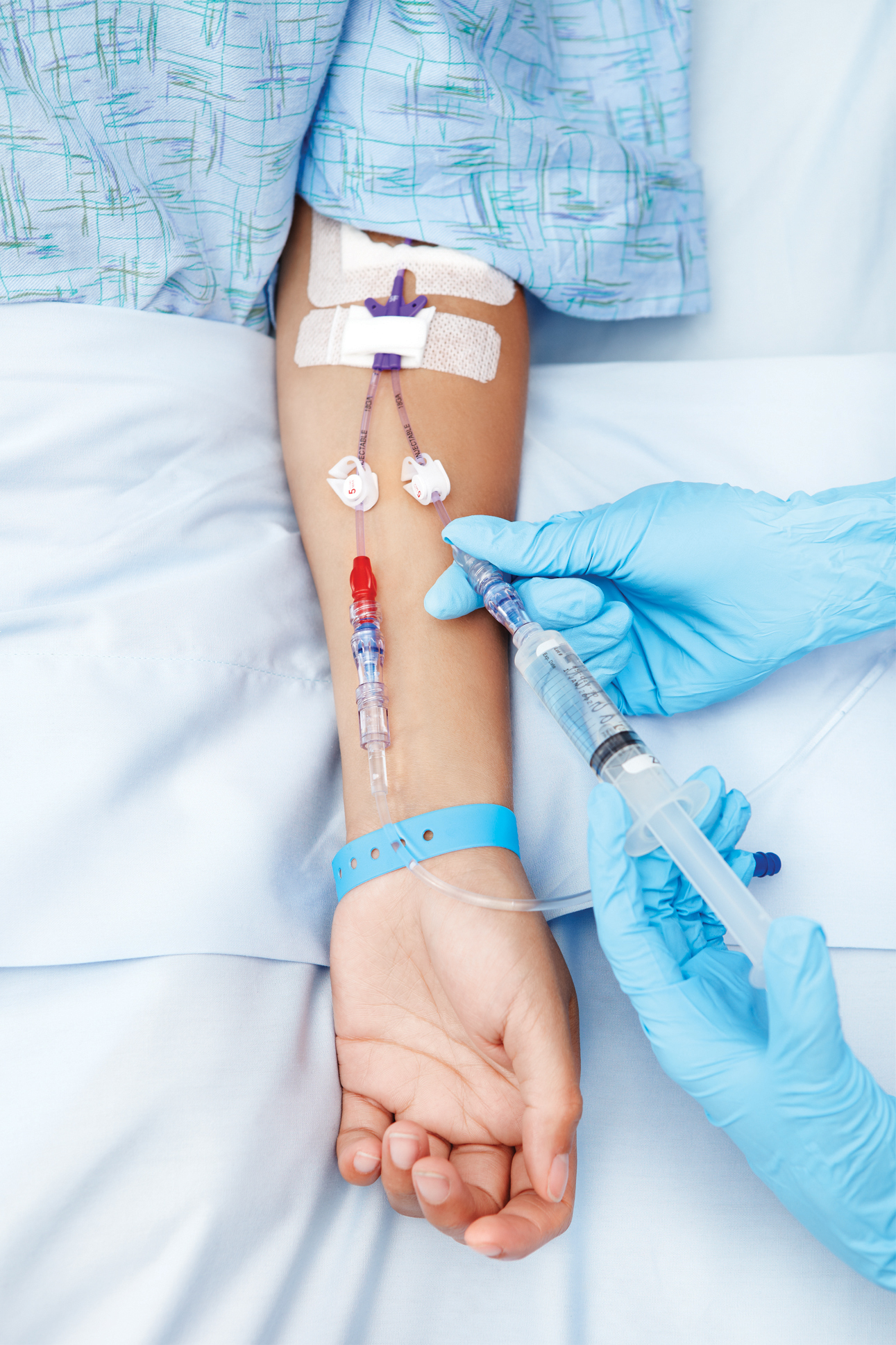
Some of the main highlights that I manage to experience these 2 weeks would be patient admission and discharge planning, along with brushing up skills on serving medication and IV therapy. IV is an abbreviation for intravenous, a procedure where a needle is inserted directly into a vein to deliver liquids to the blood stream.

PHOTO: During week 3 and 4, we managed to have hands-on experience on patients' documentation in the ward. This include paper work for patient admission and after discharge planning, as well as updating, maintaining and populating the patients' vital signs records daily. The administrators and doctors need these data to implement the best solution for the patients. Our accuracy is a must for their fast recovery and later stage planning.
Picture posted by Eastern Daylight Time on 23 July 2015 at 07:33 AM
https://blogger.googleusercontent.com/img/b/R29vZ2xl/AVvXsEjB09o0BRLBwO_Ic2U9ECK_X9plVkHzzfGhz4TV5OhGqn7JEh7sTqgJhok34J05Ht_6-T3LoKr4uAhwMvcjCxitxdOPg4hHjruzyuopbX2iuxLBOf_oXtwsE70NKTMNeO-F3yEF4tm9WiJ2/s1600/JJ8A0698.jpg
http://mms.businesswire.com/media/20150723005636/en/478204/5/JJ8A0698.jpg
http://www.businesswire.com/news/home/20150723005636/en/Panasonic-Autonomous-Delivery-Robots-%E2%80%93-HOSPI-%E2%80%93

Picture posted by Eastern Daylight Time on 23 July 2015 at 07:33 AM
https://blogger.googleusercontent.com/img/b/R29vZ2xl/AVvXsEjB09o0BRLBwO_Ic2U9ECK_X9plVkHzzfGhz4TV5OhGqn7JEh7sTqgJhok34J05Ht_6-T3LoKr4uAhwMvcjCxitxdOPg4hHjruzyuopbX2iuxLBOf_oXtwsE70NKTMNeO-F3yEF4tm9WiJ2/s1600/JJ8A0698.jpg
http://mms.businesswire.com/media/20150723005636/en/478204/5/JJ8A0698.jpg
http://www.businesswire.com/news/home/20150723005636/en/Panasonic-Autonomous-Delivery-Robots-%E2%80%93-HOSPI-%E2%80%93
PHOTO: What does IV stand for in the hospital?
According to MedlinePlus, "IV" stands for "intravenous," which means "within a vein." The term "IV" typically refers to an intravenous needle or tube used to deliver additional blood, medication or other fluids directly into the body's bloodstream. [1]
Picture posted by Wikipedia, the free encyclopedia - Infusion therapy: A person receiving medication via intravenous therapy
https://blogger.googleusercontent.com/img/b/R29vZ2xl/AVvXsEjVWn3Zp1o7ZQ8OvwCy88NPRwePH098Jedb3iLiMSu9NUQEBG7jl2GXRZzogzOGFwo47iTlfjJskWr-YJB1BapagRUGiZ09VuIcCypr0kmkAYurM3cp1HTNv1gKDpF3CHXM20YA5YYKOGZb/s1600/ICU_IV_1.jpg
https://upload.wikimedia.org/wikipedia/commons/0/0d/ICU_IV_1.jpg
https://en.wikipedia.org/wiki/Intravenous_therapy
Firstly, I am thankful to have met helpful colleagues who were willing to take some time off during the work to guide us. It means a lot to me that we were being seen as part of the team working together. Through this 2 weeks I have managed to explored the COW (Computer On Wheels) more and familiarize myself with it. Using the COW, we were also tasked to complete a single case study which was to be presented to our CI (Clinical Instructor).
According to MedlinePlus, "IV" stands for "intravenous," which means "within a vein." The term "IV" typically refers to an intravenous needle or tube used to deliver additional blood, medication or other fluids directly into the body's bloodstream. [1]
Picture posted by Wikipedia, the free encyclopedia - Infusion therapy: A person receiving medication via intravenous therapy
https://blogger.googleusercontent.com/img/b/R29vZ2xl/AVvXsEjVWn3Zp1o7ZQ8OvwCy88NPRwePH098Jedb3iLiMSu9NUQEBG7jl2GXRZzogzOGFwo47iTlfjJskWr-YJB1BapagRUGiZ09VuIcCypr0kmkAYurM3cp1HTNv1gKDpF3CHXM20YA5YYKOGZb/s1600/ICU_IV_1.jpg
https://upload.wikimedia.org/wikipedia/commons/0/0d/ICU_IV_1.jpg
https://en.wikipedia.org/wiki/Intravenous_therapy
Firstly, I am thankful to have met helpful colleagues who were willing to take some time off during the work to guide us. It means a lot to me that we were being seen as part of the team working together. Through this 2 weeks I have managed to explored the COW (Computer On Wheels) more and familiarize myself with it. Using the COW, we were also tasked to complete a single case study which was to be presented to our CI (Clinical Instructor).
Preparing a case study made me realize how difficult and important it is just to plan a care for one patient. And it is just one patient, not to mention that the nurses or doing adjustment to care plans daily for multiple patients. Knowing the medications on our fingertips is something that I am still far from satisfactory but I’m making progress. Knowing the medication would give us firsthand information on what could possibly be the condition of the patient.

PHOTO: Computer On Wheels (COW)
Our hospitals in Singapore are going high-tech and Computer On Wheel are being used in many tasks like nurse medication dispensing, presentation, and patient care planning. All these tasks can now be carry out with the help of these COWs almost anywhere, and information are available almost instantly within the hospital.
Knowing the medication for a patient is already an indication of what could possibly be the condition of the patient. We can then recommend, for example, the correct meals selection to the patients. A patient with irregular heart beats will not be offered coffee, tea or milo. Strictly no caffeine because it can irritate the central nervous system further. Any food or fruits with high potassium content may increases the body's potassium level above the unacceptable 5.1 value, and is therefore not appropriate to be taken.
Picture posted by Rubbermaid Healthcare
https://blogger.googleusercontent.com/img/b/R29vZ2xl/AVvXsEi9sWuMHnoCiNtC9B67YKQff6WHA7Ln7JIiLJMD7bUe3mkLhlpXpEk5ZoaZNcRhtttjiusB7shC00Qu7OIxiW2TkJKRdaNSPRQAaYUBUoFpyYG7MXpOF7WIH35iyXhcSNxxCZ3XcUp8ri4e/s1600/computer-carts-overview-1.png
https://www.rubbermaidhealthcare.com/SiteAssets/img/products/in-use-images/computer-carts-overview.png
https://www.rubbermaidhealthcare.com/products/pages/computer-carts-solution.aspx
Knowing the admission and discharge procedures is another important aspect of patient care. Initially, I was sort of fixated on just the patient’s condition. However, it is also important to find out more about the patient’s living condition and special requirements. A more holistic understanding would allow us to better plan our care for them as we cannot be there for them after they leave the hospital. Furthermore, there are those who are lacking in knowledge, access to help or just simply alone. These reasons are also why we are there to minimize the problems that they have hopefully to evoke a positive change in their life.

PHOTO: It is not just the patient's medical condition that determines the survival well-being. Equally important are the patient's living condition, financial ability, and special requirements. A more holistic understanding would allow us to better plan the after care for them after they leave the hospital. A peaceful community hospital without the full emergency facilities 7/24 may be more suitable for recuperation and peace of mind. The patient might be sent for financial counseling.
Picture posted by Singapore General Hospital on 03 March 2016
https://blogger.googleusercontent.com/img/b/R29vZ2xl/AVvXsEiBqpj612EgF6CUZSb660HFQg0_glYjo0-hNDq8j4yaxTHClylX-WNQeAt1cYq8Yj-hRLruaPwyxBDJyos7faQNhxZkHbwxYzcTSBzgvv6JRTPwY5nHnqKZx8xJnqSo-YYg1ieq_racA-oq/s1600/Cost+and+Payment-1.png
https://www.facebook.com/SingaporeGeneralHospital/videos/vb.47292171680/10153319139906681/?type=2&theater
Along the way I definitely managed to gain quite a bit of positive experience but also little sorrowful ones. Sadly, during my surgical posting there was a patient who had unfortunately passed on. Although it wasn’t during my shift, it has undoubtedly struck me emotionally. It made me wonder if there was any care that I have done that might have contributed to it, or have I actually made the situation better than it would have been. Various thoughts flowed through my mind, thinking how fragile life is. Of course entering such an environment, one should expect to see such cases. Witnessing the loss of one’s patient under your care would nonetheless nail a soft spot somewhere within me, but I guess that’s what makes us human.

Our hospitals in Singapore are going high-tech and Computer On Wheel are being used in many tasks like nurse medication dispensing, presentation, and patient care planning. All these tasks can now be carry out with the help of these COWs almost anywhere, and information are available almost instantly within the hospital.
Knowing the medication for a patient is already an indication of what could possibly be the condition of the patient. We can then recommend, for example, the correct meals selection to the patients. A patient with irregular heart beats will not be offered coffee, tea or milo. Strictly no caffeine because it can irritate the central nervous system further. Any food or fruits with high potassium content may increases the body's potassium level above the unacceptable 5.1 value, and is therefore not appropriate to be taken.
Picture posted by Rubbermaid Healthcare
https://blogger.googleusercontent.com/img/b/R29vZ2xl/AVvXsEi9sWuMHnoCiNtC9B67YKQff6WHA7Ln7JIiLJMD7bUe3mkLhlpXpEk5ZoaZNcRhtttjiusB7shC00Qu7OIxiW2TkJKRdaNSPRQAaYUBUoFpyYG7MXpOF7WIH35iyXhcSNxxCZ3XcUp8ri4e/s1600/computer-carts-overview-1.png
https://www.rubbermaidhealthcare.com/SiteAssets/img/products/in-use-images/computer-carts-overview.png
https://www.rubbermaidhealthcare.com/products/pages/computer-carts-solution.aspx
Knowing the admission and discharge procedures is another important aspect of patient care. Initially, I was sort of fixated on just the patient’s condition. However, it is also important to find out more about the patient’s living condition and special requirements. A more holistic understanding would allow us to better plan our care for them as we cannot be there for them after they leave the hospital. Furthermore, there are those who are lacking in knowledge, access to help or just simply alone. These reasons are also why we are there to minimize the problems that they have hopefully to evoke a positive change in their life.
PHOTO: It is not just the patient's medical condition that determines the survival well-being. Equally important are the patient's living condition, financial ability, and special requirements. A more holistic understanding would allow us to better plan the after care for them after they leave the hospital. A peaceful community hospital without the full emergency facilities 7/24 may be more suitable for recuperation and peace of mind. The patient might be sent for financial counseling.
Picture posted by Singapore General Hospital on 03 March 2016
https://blogger.googleusercontent.com/img/b/R29vZ2xl/AVvXsEiBqpj612EgF6CUZSb660HFQg0_glYjo0-hNDq8j4yaxTHClylX-WNQeAt1cYq8Yj-hRLruaPwyxBDJyos7faQNhxZkHbwxYzcTSBzgvv6JRTPwY5nHnqKZx8xJnqSo-YYg1ieq_racA-oq/s1600/Cost+and+Payment-1.png
https://www.facebook.com/SingaporeGeneralHospital/videos/vb.47292171680/10153319139906681/?type=2&theater
Along the way I definitely managed to gain quite a bit of positive experience but also little sorrowful ones. Sadly, during my surgical posting there was a patient who had unfortunately passed on. Although it wasn’t during my shift, it has undoubtedly struck me emotionally. It made me wonder if there was any care that I have done that might have contributed to it, or have I actually made the situation better than it would have been. Various thoughts flowed through my mind, thinking how fragile life is. Of course entering such an environment, one should expect to see such cases. Witnessing the loss of one’s patient under your care would nonetheless nail a soft spot somewhere within me, but I guess that’s what makes us human.
PHOTO: Sometime it strikes us very hard, especially when our patient whom we have developed affection suddenly passed on. Life is very fragile despite all the calling for us to become the invincible. We are all human and human have emotional feelings. Witnessing the loss of one’s patient under our care would nonetheless nail a soft spot somewhere. The call to be with God once more may be a happy occasion but we can't help feeling sad when our loved one is no longer with us.
Picture posted by Singapore Health Issue on 01 March 2016 - A last good deed (Singapore Health Issue, March-April 2016, Pg 10)
https://blogger.googleusercontent.com/img/b/R29vZ2xl/AVvXsEhKcN3hjKFX9ecaek8TfEtrC9g6fL-qzaZET03yMVAmBjuh5xPshb0utZ2nGfaW0FQBqY0oYe5jP-PsIOY2L70gli0kEg0fdp2s8YLhsSBbx7QlxPftBBUfPkxbIYg6BMtxnpeKp8OhwDSH/s1600/10-NEWS_organ-donation_V3_ML-1.gif
https://www.sgh.com.sg/about-us/newsroom/News-Articles-Reports/PublishingImages/2016/Singapore%20Health/Mar-Apr%202016/10-NEWS_organ-donation_V3_ML-1.gif
https://www.sgh.com.sg/about-us/newsroom/News-Articles-Reports/Pages/Alastgooddeed.aspx
As our surgical posting draws to an end, a new chapter is about to unfold. Bringing our experiences and knowledge from the past 4 weeks, I tell myself to be more capable and useful and most importantly make a positive change in others’ lives whoever I may come across.

Picture posted by Singapore Health Issue on 01 March 2016 - A last good deed (Singapore Health Issue, March-April 2016, Pg 10)
https://blogger.googleusercontent.com/img/b/R29vZ2xl/AVvXsEhKcN3hjKFX9ecaek8TfEtrC9g6fL-qzaZET03yMVAmBjuh5xPshb0utZ2nGfaW0FQBqY0oYe5jP-PsIOY2L70gli0kEg0fdp2s8YLhsSBbx7QlxPftBBUfPkxbIYg6BMtxnpeKp8OhwDSH/s1600/10-NEWS_organ-donation_V3_ML-1.gif
https://www.sgh.com.sg/about-us/newsroom/News-Articles-Reports/PublishingImages/2016/Singapore%20Health/Mar-Apr%202016/10-NEWS_organ-donation_V3_ML-1.gif
https://www.sgh.com.sg/about-us/newsroom/News-Articles-Reports/Pages/Alastgooddeed.aspx
As our surgical posting draws to an end, a new chapter is about to unfold. Bringing our experiences and knowledge from the past 4 weeks, I tell myself to be more capable and useful and most importantly make a positive change in others’ lives whoever I may come across.
PHOTO: Everything comes to an end sooner or later. The same for our surgical posting but we will be venturing into the medical block. Hopefully our experiences and friendship gained can make us more capable and useful to the healthcare industry, now and in the future. Whoever and wherever we are, we have yet to touch more life and continue to make the positive changes in others and ourselves for the better. May God's blessing descend upon us.
Picture posted by Todays, Mediacorp Press Ltd - Mr Lee Kuan Yew remembered across Singapore. A woman is comforted by hospital staff as she cries at Singapore General Hospital where former prime minister Lee Kuan Yew passed away in Singapore on 23 March 2015 (03:18 am) at the age of 91. [2]
https://blogger.googleusercontent.com/img/b/R29vZ2xl/AVvXsEitLLjG9ujxObgcnsjPwZw2hQu2w_O7iHvKoZUG27lefAOHYMmM6Fo6Fz73MrcQO-HGR_klMcuWS2oGZqpwO4FI1lhOUvw7_HuELl4rb4CpREngln6v60P1-x_a3YnrIVlLxbR9Lvaf6eiu/s1600/aptopix_singapore_lee_kuan_yew_reaction.jpeg-0fed3_read-only.jpg
http://m.todayonline.com/sites/default/files/styles/photo_gallery_image_lightbox/public/photos/43_images/aptopix_singapore_lee_kuan_yew_reaction.jpeg-0fed3_read-only.jpg?itok=40LM_f-F
http://m.todayonline.com/rememberinglky/singaporeans-remember-lee-kuan-yew
[2] Wikipedia, the free encyclopedia, Lee Kuan Yew, https://en.wikipedia.org/wiki/Lee_Kuan_Yew
Picture posted by Todays, Mediacorp Press Ltd - Mr Lee Kuan Yew remembered across Singapore. A woman is comforted by hospital staff as she cries at Singapore General Hospital where former prime minister Lee Kuan Yew passed away in Singapore on 23 March 2015 (03:18 am) at the age of 91. [2]
https://blogger.googleusercontent.com/img/b/R29vZ2xl/AVvXsEitLLjG9ujxObgcnsjPwZw2hQu2w_O7iHvKoZUG27lefAOHYMmM6Fo6Fz73MrcQO-HGR_klMcuWS2oGZqpwO4FI1lhOUvw7_HuELl4rb4CpREngln6v60P1-x_a3YnrIVlLxbR9Lvaf6eiu/s1600/aptopix_singapore_lee_kuan_yew_reaction.jpeg-0fed3_read-only.jpg
http://m.todayonline.com/sites/default/files/styles/photo_gallery_image_lightbox/public/photos/43_images/aptopix_singapore_lee_kuan_yew_reaction.jpeg-0fed3_read-only.jpg?itok=40LM_f-F
http://m.todayonline.com/rememberinglky/singaporeans-remember-lee-kuan-yew
By Bernard Goh - My week 4 attachment at SGH in the Nursing course
Reference
[1] Wikipedia, the free encyclopedia, Intravenous therapy, https://en.wikipedia.org/wiki/Intravenous_therapy[2] Wikipedia, the free encyclopedia, Lee Kuan Yew, https://en.wikipedia.org/wiki/Lee_Kuan_Yew
- https://blogger.googleusercontent.com/img/b/R29vZ2xl/AVvXsEh034S7rWVWgeXMxX0huj92lE8cSnK7juT0e2rncNMFfq-uoZ3lnC5iu3ovenvNAJLhSZGzo2WxLG4wqk1phVyUPy7ersD1KBahj5FzhTLhJqSz9nGcPWNr2EFAiyec7EcbTDfZvZ2ry_8f/s1600/singapore_general_hospital_pic2a-400px.jpg
- http://www.sporela.com/images/media2014/frontpage2015/2015/singapore_general_hospital_pic2a-400px.jpg
- http://www.sporela.com/index.php/latest-singapore-news/2062-22-acute-hepatitis-c-infections-found-in-singapore-general-hospital-sgh-incident-being-reviewed
- https://blogger.googleusercontent.com/img/b/R29vZ2xl/AVvXsEjB09o0BRLBwO_Ic2U9ECK_X9plVkHzzfGhz4TV5OhGqn7JEh7sTqgJhok34J05Ht_6-T3LoKr4uAhwMvcjCxitxdOPg4hHjruzyuopbX2iuxLBOf_oXtwsE70NKTMNeO-F3yEF4tm9WiJ2/s1600/JJ8A0698.jpg
- http://mms.businesswire.com/media/20150723005636/en/478204/5/JJ8A0698.jpg
- http://www.businesswire.com/news/home/20150723005636/en/Panasonic-Autonomous-Delivery-Robots-%E2%80%93-HOSPI-%E2%80%93
- https://blogger.googleusercontent.com/img/b/R29vZ2xl/AVvXsEjVWn3Zp1o7ZQ8OvwCy88NPRwePH098Jedb3iLiMSu9NUQEBG7jl2GXRZzogzOGFwo47iTlfjJskWr-YJB1BapagRUGiZ09VuIcCypr0kmkAYurM3cp1HTNv1gKDpF3CHXM20YA5YYKOGZb/s1600/ICU_IV_1.jpg
- https://upload.wikimedia.org/wikipedia/commons/0/0d/ICU_IV_1.jpg
- https://en.wikipedia.org/wiki/Intravenous_therapy
- https://blogger.googleusercontent.com/img/b/R29vZ2xl/AVvXsEi9sWuMHnoCiNtC9B67YKQff6WHA7Ln7JIiLJMD7bUe3mkLhlpXpEk5ZoaZNcRhtttjiusB7shC00Qu7OIxiW2TkJKRdaNSPRQAaYUBUoFpyYG7MXpOF7WIH35iyXhcSNxxCZ3XcUp8ri4e/s1600/computer-carts-overview-1.png
- https://www.rubbermaidhealthcare.com/SiteAssets/img/products/in-use-images/computer-carts-overview.png
- https://www.rubbermaidhealthcare.com/products/pages/computer-carts-solution.aspx
- https://blogger.googleusercontent.com/img/b/R29vZ2xl/AVvXsEiBqpj612EgF6CUZSb660HFQg0_glYjo0-hNDq8j4yaxTHClylX-WNQeAt1cYq8Yj-hRLruaPwyxBDJyos7faQNhxZkHbwxYzcTSBzgvv6JRTPwY5nHnqKZx8xJnqSo-YYg1ieq_racA-oq/s1600/Cost+and+Payment-1.png
- https://www.facebook.com/SingaporeGeneralHospital/videos/vb.47292171680/10153319139906681/?type=2&theater
- https://blogger.googleusercontent.com/img/b/R29vZ2xl/AVvXsEhKcN3hjKFX9ecaek8TfEtrC9g6fL-qzaZET03yMVAmBjuh5xPshb0utZ2nGfaW0FQBqY0oYe5jP-PsIOY2L70gli0kEg0fdp2s8YLhsSBbx7QlxPftBBUfPkxbIYg6BMtxnpeKp8OhwDSH/s1600/10-NEWS_organ-donation_V3_ML-1.gif
- https://www.sgh.com.sg/about-us/newsroom/News-Articles-Reports/PublishingImages/2016/Singapore%20Health/Mar-Apr%202016/10-NEWS_organ-donation_V3_ML-1.gif
- https://www.sgh.com.sg/about-us/newsroom/News-Articles-Reports/Pages/Alastgooddeed.aspx
- https://blogger.googleusercontent.com/img/b/R29vZ2xl/AVvXsEitLLjG9ujxObgcnsjPwZw2hQu2w_O7iHvKoZUG27lefAOHYMmM6Fo6Fz73MrcQO-HGR_klMcuWS2oGZqpwO4FI1lhOUvw7_HuELl4rb4CpREngln6v60P1-x_a3YnrIVlLxbR9Lvaf6eiu/s1600/aptopix_singapore_lee_kuan_yew_reaction.jpeg-0fed3_read-only.jpg
- http://m.todayonline.com/sites/default/files/styles/photo_gallery_image_lightbox/public/photos/43_images/aptopix_singapore_lee_kuan_yew_reaction.jpeg-0fed3_read-only.jpg?itok=40LM_f-F
- http://m.todayonline.com/rememberinglky/singaporeans-remember-lee-kuan-yew


 Posts
Posts













.jpg)
.gif)