My Paper, Wednesday, April 30, 2014, Page A14, 15, Lifestyle, Journeys
From http://epaper.mypaper.sg/emnd/fvxen/fvxp/fvxpress.php?param=2014-04-30
Source Website: http://mypaper.sg/lifestyle/where-cows-are-more-happy-moove-20140430
By Yip Wai Yee, The Sunday Times, myp@sph.com.sg, mypaper, Published on Apr 30, 2014
From http://epaper.mypaper.sg/emnd/fvxen/fvxp/fvxpress.php?param=2014-04-30
Source Website: http://mypaper.sg/lifestyle/where-cows-are-more-happy-moove-20140430
By Yip Wai Yee, The Sunday Times, myp@sph.com.sg, mypaper, Published on Apr 30, 2014

PHOTO: BOVINE PARADE: Farmers leading their cows down from the top of the mountain to the valleys to avoid the freezing winter in an annual procession known as the alpine cattle's descent.
PHOTO: SWITZERLAND TOURISM
https://blogger.googleusercontent.com/img/b/R29vZ2xl/AVvXsEgEXH0f53NCOLFllXRFH0KBBgGqP27BD_JZxrySuEc4EugEX5N4puBV_4rHkwaEuPjoeYTi0GKu_yWeP1RDBneHiJ6fxRZEjEOsCrLAKWrJ7JLhHwTtcEAUL0Al8XUIuecoqimRQRUXjIQ//Where+the+cows+are+more+than+happy+to+moove+%28Switzerland,+Appenzellerland%29.jpg
My Paper, Wednesday, April 30, 2014, Page A14, 15, Lifestyle, Journeys
IT TOOK two whole days in Appenzellerland before I noticed the calming silence.
"How come the cows here don't moo?" I finally asked my guide Alfonso Llopert in the lush, beautiful, hilly region in north-east Switzerland.
"Because the cows have no complaints. They're all very happy here," he replied.
He is joking, of course, but it is not implausible.
Cow culture in Appenzellerland is big and the more than 15,000 cows in the region are pampered like kings. With around 15,700 people living there, the ratio of cow to person is almost one to one.
Local farmers have been said to give their cows two massages a day, rubbing them down with a special blend of Swiss herb oil. There is more than enough grass on the rolling hills for the cattle to graze on all summer.
But it is the annual procession known as the alpine cattle's descent in which the cows really take centre stage as they parade down the hills like stars.
Throughout autumn every year - typically from late August to early September - farmers lead their cattle down from the top of the mountain to the valleys below to keep the animals out of the freezing winter that will arrive in the high pastures.
PHOTO: BOVINE PARADE: Farmers leading their cows down from the top of the mountain to the valleys to avoid the freezing winter in an annual procession known as the alpine cattle's descent.
PHOTO: SWITZERLAND TOURISM
https://blogger.googleusercontent.com/img/b/R29vZ2xl/AVvXsEgEXH0f53NCOLFllXRFH0KBBgGqP27BD_JZxrySuEc4EugEX5N4puBV_4rHkwaEuPjoeYTi0GKu_yWeP1RDBneHiJ6fxRZEjEOsCrLAKWrJ7JLhHwTtcEAUL0Al8XUIuecoqimRQRUXjIQ//Where+the+cows+are+more+than+happy+to+moove+%28Switzerland,+Appenzellerland%29.jpg
My Paper, Wednesday, April 30, 2014, Page A14, 15, Lifestyle, Journeys
Though this is a common practice among cattle farmers in many mountainous regions, it is rarely as joyous an occasion as it is with the Appenzeller people. These folks have been treating the activity as a festive ceremony for hundreds of years. Although no one is certain when it all began, some estimates date it back to mediaeval times.
Ditching their usual grubby attire, the farmers appear alongside the cows in fancy traditional dress - cheery outfits of red vests, canary-yellow trousers, felt hats and cow-hide suspenders decorated with brass fittings.
As the farmers walk, they happily sing and yodel, all in perfect harmony with the deep tones of the heavy cow bells strapped to their prized animals.
The art of alpine yodelling, which dates back to the 16th century, is a wordless form of singing where the singer rapidly switches pitches between the low chest voice and the high-pitched falsetto.
Given that the people there still practise folk customs such as these, it is little wonder that Appenzellerland is often regarded as Switzerland's most traditional region.
PHOTO: Aescher Hotel / Appenzellerland, Switzerland
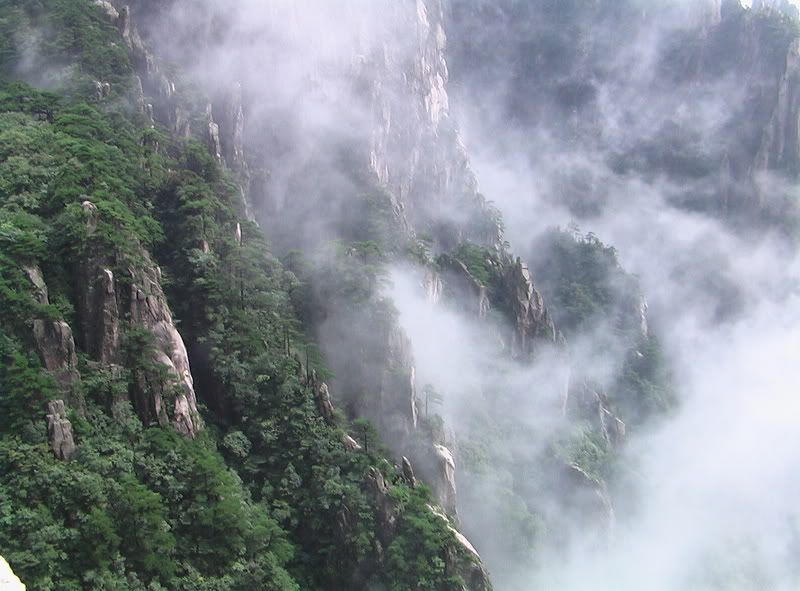
Hostel Switzerland blue clouds forests
https://blogger.googleusercontent.com/img/b/R29vZ2xl/AVvXsEi811DfHvejXqyQhguOzNjMcibqRcrSspcrNNIgZ4k4keD0j-KezYvkm-o7sFIZYLO9sDUoBa0M5GlKIcOr19696l2YCMn43xibGsvK3KDsRKiScLQZQqu6hxJACTcoHpsE03ehtIeQLyE/s1600/hostel-switzerland-blue-clouds-forests-2864876-1500x1117-1.jpg
http://hdscreen.me/walls/nature/hostel-switzerland-blue-clouds-forests-2864876-1500x1117.jpg
http://hdscreen.me/wallpaper/2864876-Switzerland-blue-clouds-forests
Even in the modern day, annual voting for local leaders in the region is not done through a ballot system, but simply by a show of hands in a large town square, a tradition that dates back to the 14th century.
But back to the cattle-loving festivities. The celebratory atmosphere of the cattle descent is contagious for any onlooker.
Unfortunately for tourists, the dates for such processions are never fixed, which means one has to check with Appenzellerland's tourist information office (www.appenzell.info/en) beforehand. Farmers give notice only a day before their descents, so it depends on your luck if you want to see a parade.
I was fortunate enough to catch one by chance towards the end of my trip, while strolling through the town of Appenzell, whose picturesque, colourful buildings look straight out of a children's storybook. Being the region's main town, it is situated right in the midst of stunning highland mounds.
Sprightly children, also decked out in bright traditional costumes, skipped along happily beside their farmer parents, while a handful of white goats native to Appenzellerland led the cow herd - a deliriously happy scene.
Apart from parades, visitors can soak up cow culture in other ways. For foodies, that means having a taste of the famously pungent Appenzeller cheese.
PHOTO: LOCAL FAVOURITE: The dish kasehornli, a local version of macaroni and cheese served with apple sauce and Swiss white beef sausage.
https://blogger.googleusercontent.com/img/b/R29vZ2xl/AVvXsEibbapAKjRe0zM6UslM7RX36qBnQOl_67n20HQ-EJLUrctIPdaPnnOJqNGYwOaypvdm2AiZUWmCtOkzDlowRDGeML9N5-fEZSdjC14wk1ypeXca2dvHACL6XjLoaMshmaAfhsklFsSorY0/s1600/MY_20140430_JOURNEY30_P2_276894-1.jpg
http://mypaper.sg/sites/default/files/styles/large/public/field/image/20140430/MY_20140430_JOURNEY30_P2_276894.jpg
http://mypaper.sg/lifestyle/where-cows-are-more-happy-moove-20140430
Dubbed the "spiciest" in Switzerland, this cheese gets its uniquely intense and aromatic flavour from the way it is made.
During the ageing process, which lasts at least three months, a herbal brine is regularly kneaded into the cheese. The fiercely guarded recipe for the brine is kept in a local bank vault.
Reportedly, the dairies across Appenzellerland have been making this hard cheese using the same method for more than 700 years. It costs around 11 Swiss francs (S$16) for a 500g slab of Appenzeller cheese.
Other than eating it on its own, you can get a whiff of it from the popular dish kasehornli, a local version of macaroni and cheese. Served with a dollop of apple sauce and siedwurst, or Swiss white beef sausage, it is nutty, savoury and slightly sweet all at once.
PHOTO: Local favourite: The dish kasehornli, a local version of macaroni and cheese served with a dollop of apple sauce and siedwurst, or Swiss white beef sausage.
https://blogger.googleusercontent.com/img/b/R29vZ2xl/AVvXsEiW7UrGy1osXKyCa_UfWpxmyiZ6i8kveITfw7gJpJvxzo7NKiMzzQ5-a51GOHWnqqAb-sumuCMkdba0ctAvF7OjxWA5-_PHz5c65p1z_WUIWfqrUWpKSNStqLUJPNVsCoUAM3I_gYGd2jM/s1600/kasehornli.jpg
My Paper, Wednesday, April 30, 2014, Page A14, 15, Lifestyle, Journeys
Order the dish (42.50 Swiss francs) at the Mountain Inn restaurant (9108 Jakobsbad, tel: +41-71-794-12-89, www.kronberg.ch) on the top of the Kronberg mountain.
Situated at 1,663m above sea level, the restaurant also has spectacular views of the Swiss valleys below. It is easily accessible via a picturesque cable-car ride (31 Swiss francs for a return trip) that lifts off from the town of Jakobsbad (www.kronberg.ch).
Tourists who cannot stomach the strong cheese can peek instead at how local artisans craft the leather belts and suspenders that the farmers wear for the alpine descents.
The best place to do this is in Appenzell. Head over to the leather shop (Kaustrasse 2, tel: +41-71-787-18-42) owned by seventh-generation craftsman Hampi Fassler to get a demonstration on how to fashion various leather pieces. Visitors can try their hand at making their own leather keyrings, complete with a choice of different intricate brass fitting designs to decorate a unique piece to take home.
PHOTO: Picture perfect: The town of Appenzell has picturesque buildings dating back to the 16th century.
PHOTO: THE STRAITS TIMES
https://blogger.googleusercontent.com/img/b/R29vZ2xl/AVvXsEjCPkoxGZKyP5C425fIAzf3brWjYDgnhtCN9RZg2ZZgL4O12YF8aihvCWfFKH88v3WyJoAon_wBQj8AsEQ0jB-aCUeKPm7xCAt7RYtnmyssWJA-sob5PYfbAjAU33jC9MKe2MFzMbLcJXc/s1600/Appenzell.jpg
My Paper, Wednesday, April 30, 2014, Page A14, 15, Lifestyle, Journeys
Even if cows are not your thing, a leisurely walk through the lovely town should be enough to make for an enjoyable day out.
The buildings date back to the 16th century, all beautifully hand-painted and decorated with pretty flower-dressed windows.
Pop into local brewery Brauerei Locher AG (Brauereiplatz 1, 9050 Appenzell, www.appenzellerbier.ch, tel: +41-71-788-01-40) - a traditional brewery which has been run by the Locher family since 1886 - to see how the prized Appenzeller beer is made using pure Swiss alpine spring water.
Of course, that means taking a few swigs too. I can vouch that its best-selling product, the Quollfrisch naturtrub (1.8 Swiss francs for a 500ml bottle), is one of the most delicious beers I have ever tasted - it is fruity, fresh and crisp, and would pair well with soft cheeses or a light chicken salad.
For a sweet snack, visit the bakery-cum-cafe at Hotel Adler (Weissbadstrasse 2, 9050 Appenzell, www.adlerhotel.ch, tel: +41-71-787-13-89) to try some biberli, a local delicacy made up of layers of gingerbread filled with marzipan.
Visitors can book ahead with the cafe to arrange for biberli-making demonstrations with their pastry chefs before baking some of their own to take home.
Other yummy eats at the bakery include the birnbrot, a pastry with pear and fig fillings, and the chasflade, a savoury cheese tart baked with anise.
After the extensive walking, head to Hotel Hof Weissbad (Im Park 1, 9057 www.hofweissbad.ch, tel: +41-71-798-80-80) to rest your feet.
The four-star property is located in Weissbad, just 4km (or two train stops away) from the town of Appenzell and is known throughout the country for its spa and health centre that offers everything from acupuncture to relaxation treatments using Swiss herbs.
Prices range from 65 Swiss francs for a 20-minute herbal bath with sea salt to 195 Swiss francs for a 100-minute full-body massage. Hotel lodging fees start from 290 Swiss francs a person a night.
Finish off with a gourmet dinner at the hotel's award-winning restaurant led by chef Kathi Fassler, who was named Chef of the Year by influential French restaurant guide Gault Millau.
She and her team cook using vegetables grown in their garden at the back of the hotel. As one would expect of the region, all of their beef dishes are excellent, whether it is sirloin with asparagus salad or veal fillet drizzled with cheese sauce (mains cost 29 to 48 Swiss francs).
Vegetarians will hate me for saying this, but those Appenzeller cattle farmers sure did well.
By Yip Wai Yee, The Sunday Times, myp@sph.com.sg, mypaper, Published on Apr 30, 2014
The writer's trip was sponsored by Switzerland Tourism.
PHOTO: PICTURE PERFECT: The town of Appenzell has picturesque buildings dating back to the 16th century.
PHOTOS: THE STRAITS TIMES
https://blogger.googleusercontent.com/img/b/R29vZ2xl/AVvXsEhYKBWaVxAtWrVxqNrd_7whoTwBzIUXfOlpu7gOfaTgOUAvFWUFlGl7oG4aLoKO27J5oQdq68neAfR_8rJJS7lWxvZClg5WDoZQccr7Z6HW8QbtEOc-oLaJf8Ieq2RnqXSTWeEMJUcuTwM/s1600/MY_20140430_JOURNEY30_P3_277000-1.jpg
http://mypaper.sg/sites/default/files/styles/large/public/field/image/20140430/MY_20140430_JOURNEY30_P3_277000.jpg
http://mypaper.sg/lifestyle/where-cows-are-more-happy-moove-20140430
PHOTO: Switzerland - Old fountain in a picturesque village of the vineyards of Lavaux
Epesses, Canton de Vaud - Switzerland
Posted by mujepa (Jean-Paul) on Flickr on August 25, 2009
Pinned by Kara Goodrick on February 2014
https://blogger.googleusercontent.com/img/b/R29vZ2xl/AVvXsEiyC0CA9UmB6F-qQ1lRJvMIQJl1vZg2f2BJNwRyW4O67zMn8O2OMvuoLuSbdpWZEhdutdhtx_HXOhrMKeeMNVS5zArHSe327ncHFkkZZ8_5iaWt_yKMBmTOSe91Eq0MuWYCUjN3wYILxAc/s1600/aa829f8529112175f44e9f79dd215b96.jpg
https://s-media-cache-ec0.pinimg.com/736x/aa/82/9f/aa829f8529112175f44e9f79dd215b96.jpg
https://www.pinterest.com/pin/2885187235799731/


PHOTO: 'The Lady of the Lake'– Picture this beautiful sculpture between France (on the left) and Switzerland (on the right) at sunset on lake Geneva from Montreux, Switzerland; by Pear Biter. Our tips for 25 fun things to do in Switzerland: www.europealacart…
Posted by Beautiful Destinations on October 5th, 2013
https://blogger.googleusercontent.com/img/b/R29vZ2xl/AVvXsEiGOYwe3BBiBwxBQc7nDz740x6Fq3T01lv2WIkabBFKuFSyI4VbR181b3wSiP7Zb-69HEJe0m4KV-t6b81cdqdA8IiZbdMcrI-Kl7EQWiuJQJlJncQxNHI2w9kEFbhgi7WBb2I1NrGtico/s1600/36be5d1a50940b13d4bb448bed4897e6-1-1.jpg
https://blogger.googleusercontent.com/img/b/R29vZ2xl/AVvXsEgz839Ozeqy3QhxfygRWvS6rcjm88Iiwdsc_XtoMLJY-wiIqr1n5flwlmhWyYMA9BLpV67Q8FBnhZtitviMetNSMMvEoFr4Wa2S8zu82Knx8iU_FO__-yd0rZRXAXAzqhqzrYW3zo2QvKc/s1600/36be5d1a50940b13d4bb448bed4897e6-2.jpg
http://totallyfrickinawesome.com/wp-content/uploads/2013/10/36be5d1a50940b13d4bb448bed4897e6.jpg
http://totallyfrickinawesome.com/beautiful-destinations/the-lady-of-the-lake-picture-this-beautiful-sculpture-between-france-on-the-left-and-switzerland-on-the-right-at-sunset-on-lake-geneva-from-montreux-switzerland-by-pear-biter-our-tips-for/
Reference
Epesses, Canton de Vaud - Switzerland
Posted by mujepa (Jean-Paul) on Flickr on August 25, 2009
Pinned by Kara Goodrick on February 2014
https://blogger.googleusercontent.com/img/b/R29vZ2xl/AVvXsEiyC0CA9UmB6F-qQ1lRJvMIQJl1vZg2f2BJNwRyW4O67zMn8O2OMvuoLuSbdpWZEhdutdhtx_HXOhrMKeeMNVS5zArHSe327ncHFkkZZ8_5iaWt_yKMBmTOSe91Eq0MuWYCUjN3wYILxAc/s1600/aa829f8529112175f44e9f79dd215b96.jpg
https://s-media-cache-ec0.pinimg.com/736x/aa/82/9f/aa829f8529112175f44e9f79dd215b96.jpg
https://www.pinterest.com/pin/2885187235799731/
Posted by Beautiful Destinations on October 5th, 2013
https://blogger.googleusercontent.com/img/b/R29vZ2xl/AVvXsEiGOYwe3BBiBwxBQc7nDz740x6Fq3T01lv2WIkabBFKuFSyI4VbR181b3wSiP7Zb-69HEJe0m4KV-t6b81cdqdA8IiZbdMcrI-Kl7EQWiuJQJlJncQxNHI2w9kEFbhgi7WBb2I1NrGtico/s1600/36be5d1a50940b13d4bb448bed4897e6-1-1.jpg
https://blogger.googleusercontent.com/img/b/R29vZ2xl/AVvXsEgz839Ozeqy3QhxfygRWvS6rcjm88Iiwdsc_XtoMLJY-wiIqr1n5flwlmhWyYMA9BLpV67Q8FBnhZtitviMetNSMMvEoFr4Wa2S8zu82Knx8iU_FO__-yd0rZRXAXAzqhqzrYW3zo2QvKc/s1600/36be5d1a50940b13d4bb448bed4897e6-2.jpg
http://totallyfrickinawesome.com/wp-content/uploads/2013/10/36be5d1a50940b13d4bb448bed4897e6.jpg
http://totallyfrickinawesome.com/beautiful-destinations/the-lady-of-the-lake-picture-this-beautiful-sculpture-between-france-on-the-left-and-switzerland-on-the-right-at-sunset-on-lake-geneva-from-montreux-switzerland-by-pear-biter-our-tips-for/
Reference
- My Paper, Wednesday, April 30, 2014, Page A14, 15, Lifestyle, Journeys
- http://epaper.mypaper.sg/emnd/fvxen/fvxp/fvxpress.php?param=2014-04-30
- http://mypaper.sg/lifestyle/where-cows-are-more-happy-moove-20140430
- https://blogger.googleusercontent.com/img/b/R29vZ2xl/AVvXsEgEXH0f53NCOLFllXRFH0KBBgGqP27BD_JZxrySuEc4EugEX5N4puBV_4rHkwaEuPjoeYTi0GKu_yWeP1RDBneHiJ6fxRZEjEOsCrLAKWrJ7JLhHwTtcEAUL0Al8XUIuecoqimRQRUXjIQ//Where+the+cows+are+more+than+happy+to+moove+%28Switzerland,+Appenzellerland%29.jpg
- My Paper, Wednesday, April 30, 2014, Page A14, 15, Lifestyle, Journeys
- https://blogger.googleusercontent.com/img/b/R29vZ2xl/AVvXsEi811DfHvejXqyQhguOzNjMcibqRcrSspcrNNIgZ4k4keD0j-KezYvkm-o7sFIZYLO9sDUoBa0M5GlKIcOr19696l2YCMn43xibGsvK3KDsRKiScLQZQqu6hxJACTcoHpsE03ehtIeQLyE/s1600/hostel-switzerland-blue-clouds-forests-2864876-1500x1117-1.jpg
- http://hdscreen.me/walls/nature/hostel-switzerland-blue-clouds-forests-2864876-1500x1117.jpg
- http://hdscreen.me/wallpaper/2864876-Switzerland-blue-clouds-forests
- https://blogger.googleusercontent.com/img/b/R29vZ2xl/AVvXsEibbapAKjRe0zM6UslM7RX36qBnQOl_67n20HQ-EJLUrctIPdaPnnOJqNGYwOaypvdm2AiZUWmCtOkzDlowRDGeML9N5-fEZSdjC14wk1ypeXca2dvHACL6XjLoaMshmaAfhsklFsSorY0/s1600/MY_20140430_JOURNEY30_P2_276894-1.jpg
- http://mypaper.sg/sites/default/files/styles/large/public/field/image/20140430/MY_20140430_JOURNEY30_P2_276894.jpg
- http://mypaper.sg/lifestyle/where-cows-are-more-happy-moove-20140430
- https://blogger.googleusercontent.com/img/b/R29vZ2xl/AVvXsEiW7UrGy1osXKyCa_UfWpxmyiZ6i8kveITfw7gJpJvxzo7NKiMzzQ5-a51GOHWnqqAb-sumuCMkdba0ctAvF7OjxWA5-_PHz5c65p1z_WUIWfqrUWpKSNStqLUJPNVsCoUAM3I_gYGd2jM/s1600/kasehornli.jpg
- My Paper, Wednesday, April 30, 2014, Page A14, 15, Lifestyle, Journeys
- https://blogger.googleusercontent.com/img/b/R29vZ2xl/AVvXsEjCPkoxGZKyP5C425fIAzf3brWjYDgnhtCN9RZg2ZZgL4O12YF8aihvCWfFKH88v3WyJoAon_wBQj8AsEQ0jB-aCUeKPm7xCAt7RYtnmyssWJA-sob5PYfbAjAU33jC9MKe2MFzMbLcJXc/s1600/Appenzell.jpg
- My Paper, Wednesday, April 30, 2014, Page A14, 15, Lifestyle, Journeys
- https://blogger.googleusercontent.com/img/b/R29vZ2xl/AVvXsEhYKBWaVxAtWrVxqNrd_7whoTwBzIUXfOlpu7gOfaTgOUAvFWUFlGl7oG4aLoKO27J5oQdq68neAfR_8rJJS7lWxvZClg5WDoZQccr7Z6HW8QbtEOc-oLaJf8Ieq2RnqXSTWeEMJUcuTwM/s1600/MY_20140430_JOURNEY30_P3_277000-1.jpg
- http://mypaper.sg/sites/default/files/styles/large/public/field/image/20140430/MY_20140430_JOURNEY30_P3_277000.jpg
- http://mypaper.sg/lifestyle/where-cows-are-more-happy-moove-20140430
- https://blogger.googleusercontent.com/img/b/R29vZ2xl/AVvXsEiyC0CA9UmB6F-qQ1lRJvMIQJl1vZg2f2BJNwRyW4O67zMn8O2OMvuoLuSbdpWZEhdutdhtx_HXOhrMKeeMNVS5zArHSe327ncHFkkZZ8_5iaWt_yKMBmTOSe91Eq0MuWYCUjN3wYILxAc/s1600/aa829f8529112175f44e9f79dd215b96.jpg
- https://s-media-cache-ec0.pinimg.com/736x/aa/82/9f/aa829f8529112175f44e9f79dd215b96.jpg
- https://www.pinterest.com/pin/2885187235799731/
- https://blogger.googleusercontent.com/img/b/R29vZ2xl/AVvXsEiGOYwe3BBiBwxBQc7nDz740x6Fq3T01lv2WIkabBFKuFSyI4VbR181b3wSiP7Zb-69HEJe0m4KV-t6b81cdqdA8IiZbdMcrI-Kl7EQWiuJQJlJncQxNHI2w9kEFbhgi7WBb2I1NrGtico/s1600/36be5d1a50940b13d4bb448bed4897e6-1-1.jpg
- https://blogger.googleusercontent.com/img/b/R29vZ2xl/AVvXsEgz839Ozeqy3QhxfygRWvS6rcjm88Iiwdsc_XtoMLJY-wiIqr1n5flwlmhWyYMA9BLpV67Q8FBnhZtitviMetNSMMvEoFr4Wa2S8zu82Knx8iU_FO__-yd0rZRXAXAzqhqzrYW3zo2QvKc/s1600/36be5d1a50940b13d4bb448bed4897e6-2.jpg
- http://totallyfrickinawesome.com/wp-content/uploads/2013/10/36be5d1a50940b13d4bb448bed4897e6.jpg
- http://totallyfrickinawesome.com/beautiful-destinations/the-lady-of-the-lake-picture-this-beautiful-sculpture-between-france-on-the-left-and-switzerland-on-the-right-at-sunset-on-lake-geneva-from-montreux-switzerland-by-pear-biter-our-tips-for/


 Posts