Source Website: https://www.tnp.sg/news/singapore/running-cross-island-line-under-nature-reserve-feasible
By Toh Ting Wei, The New Paper, 03 September 2019 at 06:00 am
By Toh Ting Wei, The New Paper, 03 September 2019 at 06:00 am

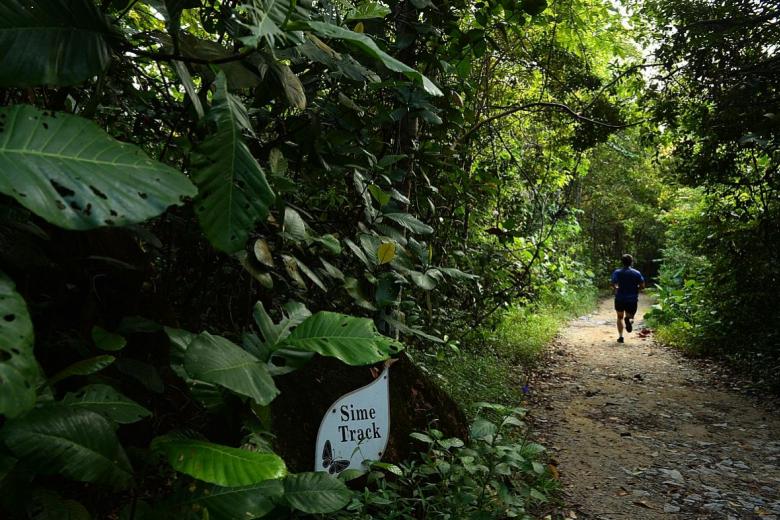
PHOTO: LTA said mitigation measures would reduce the impact on the ecology and biodiversity in the Central Catchment Nature Reserve to negligible levels.
TNP FILE PHOTO
Picture posted by Toh Ting Wei, The New Paper on 03 September 2019 at 06:00 am
https://blogger.googleusercontent.com/img/b/R29vZ2xl/AVvXsEi3ijPreeMFD6BRI4nJU6uJYs4iPNGt3MWY2qoMyi4Ed1lRErRHyifPuiwTsgsIs-XCAJ1C5LNv7G4yPvgfOClMNwyYLKA-7bcvyLNinv4roim-XriOza3SFMyI_OuKos5VmDVjkt_g-3o/s1600/NP_20190903_TWCROSS03__5088574.jpg
https://www.tnp.sg/sites/default/files/styles/rl780/public/articles/2019/09/03/NP_20190903_TWCROSS03__5088574.jpg?itok=gLXgHQtq
https://www.tnp.sg/news/singapore/running-cross-island-line-under-nature-reserve-feasible
Options of building MRT line under the Central Catchment Nature Reserve or around it are both found to be feasible
The future Cross Island MRT line that will stretch from Tuas to Changi may run under the Central Catchment Nature Reserve or go around it.
Both options are feasible with adequate mitigation measures, said the Land Transport Authority (LTA), which has completed a major study of the potential impact of construction works on the environment and residents.
Skirting the reserve would make the route longer and more expensive.

TNP FILE PHOTO
Picture posted by Toh Ting Wei, The New Paper on 03 September 2019 at 06:00 am
https://blogger.googleusercontent.com/img/b/R29vZ2xl/AVvXsEi3ijPreeMFD6BRI4nJU6uJYs4iPNGt3MWY2qoMyi4Ed1lRErRHyifPuiwTsgsIs-XCAJ1C5LNv7G4yPvgfOClMNwyYLKA-7bcvyLNinv4roim-XriOza3SFMyI_OuKos5VmDVjkt_g-3o/s1600/NP_20190903_TWCROSS03__5088574.jpg
https://www.tnp.sg/sites/default/files/styles/rl780/public/articles/2019/09/03/NP_20190903_TWCROSS03__5088574.jpg?itok=gLXgHQtq
https://www.tnp.sg/news/singapore/running-cross-island-line-under-nature-reserve-feasible
Options of building MRT line under the Central Catchment Nature Reserve or around it are both found to be feasible
The future Cross Island MRT line that will stretch from Tuas to Changi may run under the Central Catchment Nature Reserve or go around it.
Both options are feasible with adequate mitigation measures, said the Land Transport Authority (LTA), which has completed a major study of the potential impact of construction works on the environment and residents.
Skirting the reserve would make the route longer and more expensive.
PHOTO: The option to build a direct alignment option would create a 4km route with 2km under the reserve. Meanwhile, the option to build a skirting tunnel would create a 9km route. Residents in the area said the option to skirt the nature reserve would affect them. The Government has also said the skirting option could cost an additional $2 billion.
Picture posted by SGTrains modified on 03 September 2019
https://blogger.googleusercontent.com/img/b/R29vZ2xl/AVvXsEgjlr4ckZs38cJL8nziE7PnJ8v5iCBUVH_gXi8aZ2mfamWiLk8c_VJytLLo5cKOVJaLacJ7XAh8aUsjYaRYvX6v0mJAgpCsTVQm3siY4xRbBH_zNCrgT4IfieXq0Na54XeVnUNwCRI2k6c/s1600/crl-alignment.png
https://www.sgtrains.com/img/network/crl/crl-alignment.png
https://www.sgtrains.com/network-crl.html
If the final decision - likely to be made by the end of next year - is to build under the reserve, tunnelling will be done 70m underground.
This is the deepest any MRT tunnel will go, in a move by the authorities to further mitigate environmental impact on the reserve.
Initial plans had called for a tunnel under the reserve at a depth of around 40m. The deepest tunnel today is at 43m.
LTA said: "Based on the report, both underground alignments are feasible, and the residual impacts are largely (negligible to) moderate."
It added that no decision has been made on the alignment, but said it would take all steps to mitigate potential environmental impact.
The Cross Island Line (CRL), Singapore's eighth MRT line, is projected to have an initial daily ridership of 600,000, before growing to a million in the future.
12 STATIONS
The first phase of the line is expected to be completed by 2029 and will span 12 stations from Changi to Sin Ming.

Picture posted by SGTrains modified on 03 September 2019
https://blogger.googleusercontent.com/img/b/R29vZ2xl/AVvXsEgjlr4ckZs38cJL8nziE7PnJ8v5iCBUVH_gXi8aZ2mfamWiLk8c_VJytLLo5cKOVJaLacJ7XAh8aUsjYaRYvX6v0mJAgpCsTVQm3siY4xRbBH_zNCrgT4IfieXq0Na54XeVnUNwCRI2k6c/s1600/crl-alignment.png
https://www.sgtrains.com/img/network/crl/crl-alignment.png
https://www.sgtrains.com/network-crl.html
If the final decision - likely to be made by the end of next year - is to build under the reserve, tunnelling will be done 70m underground.
This is the deepest any MRT tunnel will go, in a move by the authorities to further mitigate environmental impact on the reserve.
Initial plans had called for a tunnel under the reserve at a depth of around 40m. The deepest tunnel today is at 43m.
LTA said: "Based on the report, both underground alignments are feasible, and the residual impacts are largely (negligible to) moderate."
It added that no decision has been made on the alignment, but said it would take all steps to mitigate potential environmental impact.
The Cross Island Line (CRL), Singapore's eighth MRT line, is projected to have an initial daily ridership of 600,000, before growing to a million in the future.
12 STATIONS
The first phase of the line is expected to be completed by 2029 and will span 12 stations from Changi to Sin Ming.
PHOTO: The Cross Island Line, which will have about 30 stops, will be built in stages. The first stage is expected to be opened in 2029 with 12 stations (above).
The first phase of the line is expected to be completed by 2029 and will span 12 stations from Changi to Sin Ming.
Picture from Land Transport Authority
Picture posted by Kenneth Cheng, Today on 02 September 2019
https://blogger.googleusercontent.com/img/b/R29vZ2xl/AVvXsEgygb4vE88_MG14hmfX4IrYWigX9qgYqXghXrWmYT0yYLkViQDOjjHT7ymXAG7534XSgS98M1fWgCPVxWAVbSp-e1s2MP9J_PHbz2njRLihyphenhyphen75rfUYr8xfNOBDNbCCgUpJouWlU4F64XKM/s1600/map_1_0.png
https://www.todayonline.com/sites/default/files/styles/new_app_article_detail/public/photos/43_images/map_1_0.png?itok=INXPokX5
https://www.todayonline.com/singapore/explainer-how-2-proposed-tunnelling-routes-cross-island-line-will-affect-wildlife-housing
Nature groups have said that building the line under the nature reserve would damage it.
But residents in the area said the option to skirt the nature reserve would affect them. The Government has also said the skirting option could cost an additional $2 billion.
LTA's report yesterday stated that the option to build a direct alignment option would create a 4km route with 2km under the reserve.
This would be built 70m below average ground level - roughly the height of a 25-storey Housing Board block.
This route would allow trips between the last station of the second phase of CRL - yet unnamed - and Bright Hill station, the first station from the first phase of the line, to be completed in five minutes.

The first phase of the line is expected to be completed by 2029 and will span 12 stations from Changi to Sin Ming.
Picture from Land Transport Authority
Picture posted by Kenneth Cheng, Today on 02 September 2019
https://blogger.googleusercontent.com/img/b/R29vZ2xl/AVvXsEgygb4vE88_MG14hmfX4IrYWigX9qgYqXghXrWmYT0yYLkViQDOjjHT7ymXAG7534XSgS98M1fWgCPVxWAVbSp-e1s2MP9J_PHbz2njRLihyphenhyphen75rfUYr8xfNOBDNbCCgUpJouWlU4F64XKM/s1600/map_1_0.png
https://www.todayonline.com/sites/default/files/styles/new_app_article_detail/public/photos/43_images/map_1_0.png?itok=INXPokX5
https://www.todayonline.com/singapore/explainer-how-2-proposed-tunnelling-routes-cross-island-line-will-affect-wildlife-housing
Nature groups have said that building the line under the nature reserve would damage it.
But residents in the area said the option to skirt the nature reserve would affect them. The Government has also said the skirting option could cost an additional $2 billion.
LTA's report yesterday stated that the option to build a direct alignment option would create a 4km route with 2km under the reserve.
This would be built 70m below average ground level - roughly the height of a 25-storey Housing Board block.
This route would allow trips between the last station of the second phase of CRL - yet unnamed - and Bright Hill station, the first station from the first phase of the line, to be completed in five minutes.
PHOTO: Option 1 would be built 70m below average ground level - roughly the height of a 25-storey Housing Board block. Option 2 would be built at 45m below average ground level, a safe level for existing buildings.
Infographic: Samuel Woo/TODAY
Picture posted by Kenneth Cheng, Today on 02 September 2019
https://blogger.googleusercontent.com/img/b/R29vZ2xl/AVvXsEhAVig8meFlRu6e52pqB_5nnDy_Poh4mBW7prOOAnuEnjWbrPuzeRcUaHCDd265oWKXX2Su6-3oT33HmXO2xPqfoQXjLVHUbM9bHCFjqmZZksbwHDpnJv3LmLa81ezkN3jl3BxxhZtsTpk/s1600/20190902_sw_crossislandline_comparison.jpg
https://www.todayonline.com/sites/default/files/20190902_sw_crossislandline_comparison.jpg
https://www.todayonline.com/singapore/explainer-how-2-proposed-tunnelling-routes-cross-island-line-will-affect-wildlife-housing
Mitigation measures would reduce the impact on the ecology and biodiversity in the Central Catchment Nature Reserve to negligible levels, said LTA.
Meanwhile, the option to build a skirting tunnel would create a 9km route. This would be built at 45m below average ground level, a safe level for existing buildings.
The skirting route would result in a longer travelling time of 11 minutes from Bright Hill to the unnamed next station.
LTA said that based on the planned skirting route, it would not be feasible to build an additional station along this 11-minute stretch.
The report, on LTA's website, will be open to public feedback for a month.
All relevant views will be considered by the Government before a decision is made on the issue.

Infographic: Samuel Woo/TODAY
Picture posted by Kenneth Cheng, Today on 02 September 2019
https://blogger.googleusercontent.com/img/b/R29vZ2xl/AVvXsEhAVig8meFlRu6e52pqB_5nnDy_Poh4mBW7prOOAnuEnjWbrPuzeRcUaHCDd265oWKXX2Su6-3oT33HmXO2xPqfoQXjLVHUbM9bHCFjqmZZksbwHDpnJv3LmLa81ezkN3jl3BxxhZtsTpk/s1600/20190902_sw_crossislandline_comparison.jpg
https://www.todayonline.com/sites/default/files/20190902_sw_crossislandline_comparison.jpg
https://www.todayonline.com/singapore/explainer-how-2-proposed-tunnelling-routes-cross-island-line-will-affect-wildlife-housing
Mitigation measures would reduce the impact on the ecology and biodiversity in the Central Catchment Nature Reserve to negligible levels, said LTA.
Meanwhile, the option to build a skirting tunnel would create a 9km route. This would be built at 45m below average ground level, a safe level for existing buildings.
The skirting route would result in a longer travelling time of 11 minutes from Bright Hill to the unnamed next station.
LTA said that based on the planned skirting route, it would not be feasible to build an additional station along this 11-minute stretch.
The report, on LTA's website, will be open to public feedback for a month.
All relevant views will be considered by the Government before a decision is made on the issue.
PHOTO: Land Transport Master Plan 2013
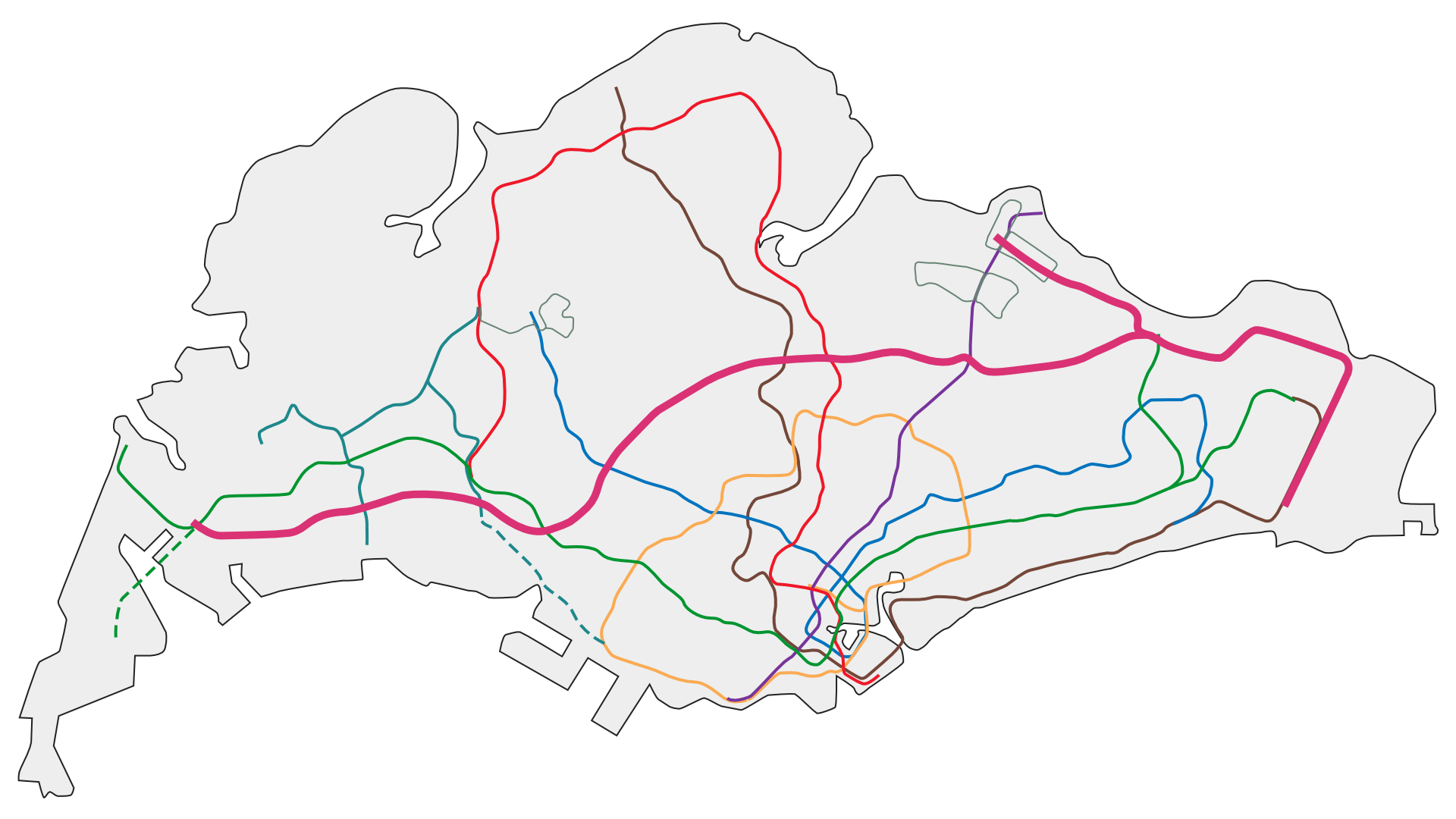
In the Land Transport Master Plan 2013 announced on 17 January 2013, the Cross Island Line will be a 50km line that traverse the island and is expected to be completed by 2030. The line will enhance east-west travel by relieving crowds on the existing East West Line and Downtown Line.
The line passes through Changi, Loyang, Pasir Ris, Hougang, Ang Mo Kio, Sin Ming, Bukit Timah, Clementi, West Coast and the Jurong Industrial Estate. The eastern leg of the Cross Island Line includes a section that extends into Punggol.
Picture posted by SGTrains modified on 03 September 2019
https://blogger.googleusercontent.com/img/b/R29vZ2xl/AVvXsEjLONUSHV0igcuQczmfOoZLEB9UQFIc37yWTgTxGGlO2cop1GmaLgx7NmSgJk2GAEk5_64Ax61vDJ12j9E5aqaAxIfOBTvKZtJYaKVrmr7iJRM12RtqWFN5lpfvKfUvR9mprpfTNcvQZak/s1600/crl-bg.png
https://www.sgtrains.com/img/network/crl/crl-bg.png
https://www.sgtrains.com/network-crl.html
In the Land Transport Master Plan 2013 announced on 17 January 2013, the Cross Island Line will be a 50km line that traverse the island and is expected to be completed by 2030. The line will enhance east-west travel by relieving crowds on the existing East West Line and Downtown Line.
The line passes through Changi, Loyang, Pasir Ris, Hougang, Ang Mo Kio, Sin Ming, Bukit Timah, Clementi, West Coast and the Jurong Industrial Estate. The eastern leg of the Cross Island Line includes a section that extends into Punggol.
Picture posted by SGTrains modified on 03 September 2019
https://blogger.googleusercontent.com/img/b/R29vZ2xl/AVvXsEjLONUSHV0igcuQczmfOoZLEB9UQFIc37yWTgTxGGlO2cop1GmaLgx7NmSgJk2GAEk5_64Ax61vDJ12j9E5aqaAxIfOBTvKZtJYaKVrmr7iJRM12RtqWFN5lpfvKfUvR9mprpfTNcvQZak/s1600/crl-bg.png
https://www.sgtrains.com/img/network/crl/crl-bg.png
https://www.sgtrains.com/network-crl.html


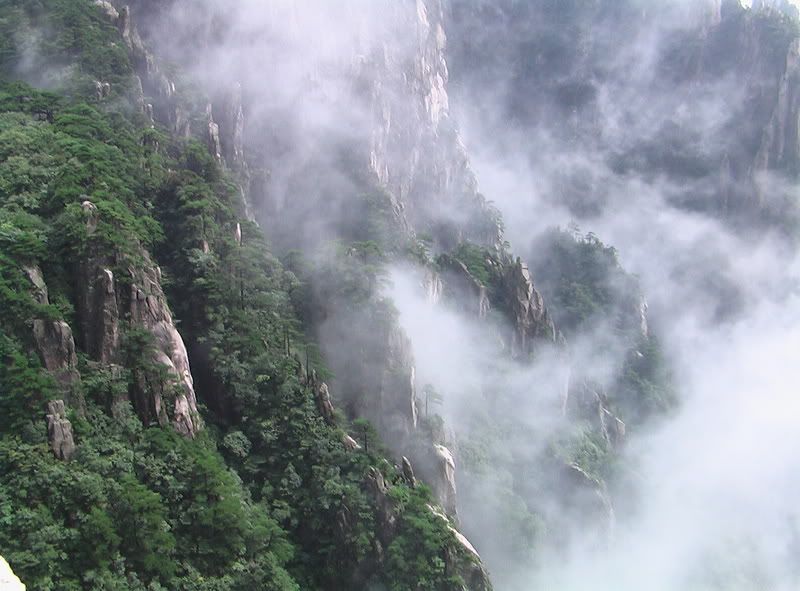
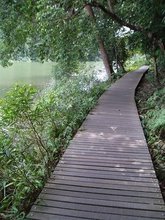
PHOTO: Mitigation measures would reduce the impact on the ecology and biodiversity in the Central Catchment Nature Reserve to negligible levels, said LTA.
Picture posted by untuox, Traditional Art / Drawings / Landscapes & Scenery - Summer time
gif file generated by Animated Images Effects Generator at http://www.webestools.com/animated-images-effect-generator-effects-gif-images-picture-blog-gif-fx-images-animated-effect.html
https://blogger.googleusercontent.com/img/b/R29vZ2xl/AVvXsEiwFFi40Gzr3uuOyhBvDMjGznYXoocDeY_fYF65E8HRTn_e4w69yMFfxbJ2swpm9RHpXiEqwx7hPKqTOKwJjFV3dL_3UyFv0-B1lHmqKzEh6wop-xfkMbkyc7pjUXf_sL0KlRrlY3STIdI/s1600/summer_time_by_untuox_ddevs50-fullview.jpg
https://blogger.googleusercontent.com/img/b/R29vZ2xl/AVvXsEhebdszvA2_RrjgWE13gVWwMuVbwqCfbJZX2t-_rrwK8ZFyG0ih1iGiw01_q218XOi1GXxeizNk8UX4AIzBXuWyHPYxNpDLeSW91CE6POEzomVtye5DBXbKx7h7U7UVN54vZgRYeok-ooc/s1600/summer_time_by_untuox_ddevs50.gif
https://images-wixmp-ed30a86b8c4ca887773594c2.wixmp.com/f/55a15b60-c1d5-4041-b3bb-979cf14cdd21/ddevs50-9eb4bb14-dc67-4184-9c63-cd822a8861a1.jpg/v1/fill/w_1280,h_874,q_75,strp/summer_time_by_untuox_ddevs50-fullview.jpg?token=eyJ0eXAiOiJKV1QiLCJhbGciOiJIUzI1NiJ9.eyJzdWIiOiJ1cm46YXBwOjdlMGQxODg5ODIyNjQzNzNhNWYwZDQxNWVhMGQyNmUwIiwiaXNzIjoidXJuOmFwcDo3ZTBkMTg4OTgyMjY0MzczYTVmMGQ0MTVlYTBkMjZlMCIsIm9iaiI6W1t7ImhlaWdodCI6Ijw9ODc0IiwicGF0aCI6IlwvZlwvNTVhMTViNjAtYzFkNS00MDQxLWIzYmItOTc5Y2YxNGNkZDIxXC9kZGV2czUwLTllYjRiYjE0LWRjNjctNDE4NC05YzYzLWNkODIyYTg4NjFhMS5qcGciLCJ3aWR0aCI6Ijw9MTI4MCJ9XV0sImF1ZCI6WyJ1cm46c2VydmljZTppbWFnZS5vcGVyYXRpb25zIl19.xklU-7awaopbIQfpm15_Xj_uXFl-LQauhSFqHUFja6Y
https://www.deviantart.com/untuox/art/Summer-time-811057716
Links
Picture posted by untuox, Traditional Art / Drawings / Landscapes & Scenery - Summer time
gif file generated by Animated Images Effects Generator at http://www.webestools.com/animated-images-effect-generator-effects-gif-images-picture-blog-gif-fx-images-animated-effect.html
https://blogger.googleusercontent.com/img/b/R29vZ2xl/AVvXsEiwFFi40Gzr3uuOyhBvDMjGznYXoocDeY_fYF65E8HRTn_e4w69yMFfxbJ2swpm9RHpXiEqwx7hPKqTOKwJjFV3dL_3UyFv0-B1lHmqKzEh6wop-xfkMbkyc7pjUXf_sL0KlRrlY3STIdI/s1600/summer_time_by_untuox_ddevs50-fullview.jpg
https://blogger.googleusercontent.com/img/b/R29vZ2xl/AVvXsEhebdszvA2_RrjgWE13gVWwMuVbwqCfbJZX2t-_rrwK8ZFyG0ih1iGiw01_q218XOi1GXxeizNk8UX4AIzBXuWyHPYxNpDLeSW91CE6POEzomVtye5DBXbKx7h7U7UVN54vZgRYeok-ooc/s1600/summer_time_by_untuox_ddevs50.gif
https://images-wixmp-ed30a86b8c4ca887773594c2.wixmp.com/f/55a15b60-c1d5-4041-b3bb-979cf14cdd21/ddevs50-9eb4bb14-dc67-4184-9c63-cd822a8861a1.jpg/v1/fill/w_1280,h_874,q_75,strp/summer_time_by_untuox_ddevs50-fullview.jpg?token=eyJ0eXAiOiJKV1QiLCJhbGciOiJIUzI1NiJ9.eyJzdWIiOiJ1cm46YXBwOjdlMGQxODg5ODIyNjQzNzNhNWYwZDQxNWVhMGQyNmUwIiwiaXNzIjoidXJuOmFwcDo3ZTBkMTg4OTgyMjY0MzczYTVmMGQ0MTVlYTBkMjZlMCIsIm9iaiI6W1t7ImhlaWdodCI6Ijw9ODc0IiwicGF0aCI6IlwvZlwvNTVhMTViNjAtYzFkNS00MDQxLWIzYmItOTc5Y2YxNGNkZDIxXC9kZGV2czUwLTllYjRiYjE0LWRjNjctNDE4NC05YzYzLWNkODIyYTg4NjFhMS5qcGciLCJ3aWR0aCI6Ijw9MTI4MCJ9XV0sImF1ZCI6WyJ1cm46c2VydmljZTppbWFnZS5vcGVyYXRpb25zIl19.xklU-7awaopbIQfpm15_Xj_uXFl-LQauhSFqHUFja6Y
https://www.deviantart.com/untuox/art/Summer-time-811057716
By Toh Ting Wei, The New Paper, 03 September 2019 at 06:00 am - ADDITIONAL REPORTING BY ZHAKI ABDULLAH
Get The New Paper on your phone with the free TNP app. Download from the Apple App Store or Google Play Store now
Get The New Paper on your phone with the free TNP app. Download from the Apple App Store or Google Play Store now
Reference
[1] Toh Ting Wei, The New Paper, Running Cross Island line under nature reserve feasible, posted on 03 September 2019 at 06:00 am, https://www.tnp.sg/news/singapore/running-cross-island-line-under-nature-reserve-feasibleLinks
Apple App Store - https://itunes.apple.com/sg/app/the-new-paper/id949361491?mt=8
Google Play Store - https://play.google.com/store/apps/details?id=com.sph.mypaperpdf&hl=en
Google Play Store - https://play.google.com/store/apps/details?id=com.sph.mypaperpdf&hl=en
- https://blogger.googleusercontent.com/img/b/R29vZ2xl/AVvXsEi3ijPreeMFD6BRI4nJU6uJYs4iPNGt3MWY2qoMyi4Ed1lRErRHyifPuiwTsgsIs-XCAJ1C5LNv7G4yPvgfOClMNwyYLKA-7bcvyLNinv4roim-XriOza3SFMyI_OuKos5VmDVjkt_g-3o/s1600/NP_20190903_TWCROSS03__5088574.jpg
- https://www.tnp.sg/sites/default/files/styles/rl780/public/articles/2019/09/03/NP_20190903_TWCROSS03__5088574.jpg?itok=gLXgHQtq
- https://www.tnp.sg/news/singapore/running-cross-island-line-under-nature-reserve-feasible
- https://blogger.googleusercontent.com/img/b/R29vZ2xl/AVvXsEgjlr4ckZs38cJL8nziE7PnJ8v5iCBUVH_gXi8aZ2mfamWiLk8c_VJytLLo5cKOVJaLacJ7XAh8aUsjYaRYvX6v0mJAgpCsTVQm3siY4xRbBH_zNCrgT4IfieXq0Na54XeVnUNwCRI2k6c/s1600/crl-alignment.png
- https://www.sgtrains.com/img/network/crl/crl-alignment.png
- https://www.sgtrains.com/network-crl.html
- https://blogger.googleusercontent.com/img/b/R29vZ2xl/AVvXsEgygb4vE88_MG14hmfX4IrYWigX9qgYqXghXrWmYT0yYLkViQDOjjHT7ymXAG7534XSgS98M1fWgCPVxWAVbSp-e1s2MP9J_PHbz2njRLihyphenhyphen75rfUYr8xfNOBDNbCCgUpJouWlU4F64XKM/s1600/map_1_0.png
- https://www.todayonline.com/sites/default/files/styles/new_app_article_detail/public/photos/43_images/map_1_0.png?itok=INXPokX5
- https://www.todayonline.com/singapore/explainer-how-2-proposed-tunnelling-routes-cross-island-line-will-affect-wildlife-housing
- https://blogger.googleusercontent.com/img/b/R29vZ2xl/AVvXsEhAVig8meFlRu6e52pqB_5nnDy_Poh4mBW7prOOAnuEnjWbrPuzeRcUaHCDd265oWKXX2Su6-3oT33HmXO2xPqfoQXjLVHUbM9bHCFjqmZZksbwHDpnJv3LmLa81ezkN3jl3BxxhZtsTpk/s1600/20190902_sw_crossislandline_comparison.jpg
- https://www.todayonline.com/sites/default/files/20190902_sw_crossislandline_comparison.jpg
- https://www.todayonline.com/singapore/explainer-how-2-proposed-tunnelling-routes-cross-island-line-will-affect-wildlife-housing
- https://blogger.googleusercontent.com/img/b/R29vZ2xl/AVvXsEjLONUSHV0igcuQczmfOoZLEB9UQFIc37yWTgTxGGlO2cop1GmaLgx7NmSgJk2GAEk5_64Ax61vDJ12j9E5aqaAxIfOBTvKZtJYaKVrmr7iJRM12RtqWFN5lpfvKfUvR9mprpfTNcvQZak/s1600/crl-bg.png
- https://www.sgtrains.com/img/network/crl/crl-bg.png
- https://www.sgtrains.com/network-crl.html
- http://www.webestools.com/animated-images-effect-generator-effects-gif-images-picture-blog-gif-fx-images-animated-effect.html
- https://blogger.googleusercontent.com/img/b/R29vZ2xl/AVvXsEiwFFi40Gzr3uuOyhBvDMjGznYXoocDeY_fYF65E8HRTn_e4w69yMFfxbJ2swpm9RHpXiEqwx7hPKqTOKwJjFV3dL_3UyFv0-B1lHmqKzEh6wop-xfkMbkyc7pjUXf_sL0KlRrlY3STIdI/s1600/summer_time_by_untuox_ddevs50-fullview.jpg
- https://blogger.googleusercontent.com/img/b/R29vZ2xl/AVvXsEhebdszvA2_RrjgWE13gVWwMuVbwqCfbJZX2t-_rrwK8ZFyG0ih1iGiw01_q218XOi1GXxeizNk8UX4AIzBXuWyHPYxNpDLeSW91CE6POEzomVtye5DBXbKx7h7U7UVN54vZgRYeok-ooc/s1600/summer_time_by_untuox_ddevs50.gif
- https://images-wixmp-ed30a86b8c4ca887773594c2.wixmp.com/f/55a15b60-c1d5-4041-b3bb-979cf14cdd21/ddevs50-9eb4bb14-dc67-4184-9c63-cd822a8861a1.jpg/v1/fill/w_1280,h_874,q_75,strp/summer_time_by_untuox_ddevs50-fullview.jpg?token=eyJ0eXAiOiJKV1QiLCJhbGciOiJIUzI1NiJ9.eyJzdWIiOiJ1cm46YXBwOjdlMGQxODg5ODIyNjQzNzNhNWYwZDQxNWVhMGQyNmUwIiwiaXNzIjoidXJuOmFwcDo3ZTBkMTg4OTgyMjY0MzczYTVmMGQ0MTVlYTBkMjZlMCIsIm9iaiI6W1t7ImhlaWdodCI6Ijw9ODc0IiwicGF0aCI6IlwvZlwvNTVhMTViNjAtYzFkNS00MDQxLWIzYmItOTc5Y2YxNGNkZDIxXC9kZGV2czUwLTllYjRiYjE0LWRjNjctNDE4NC05YzYzLWNkODIyYTg4NjFhMS5qcGciLCJ3aWR0aCI6Ijw9MTI4MCJ9XV0sImF1ZCI6WyJ1cm46c2VydmljZTppbWFnZS5vcGVyYXRpb25zIl19.xklU-7awaopbIQfpm15_Xj_uXFl-LQauhSFqHUFja6Y
- https://www.deviantart.com/untuox/art/Summer-time-811057716


 Posts
Posts












.jpg)
.gif)