Source Website: https://www.asiaone.com/singapore/dead-alien-fish-spotted-macritchie-reservoir
By Ang Qing, The Straits Times, Asiaone, 18 February 2021 at at 8:38 am
By Ang Qing, The Straits Times, Asiaone, 18 February 2021 at at 8:38 am
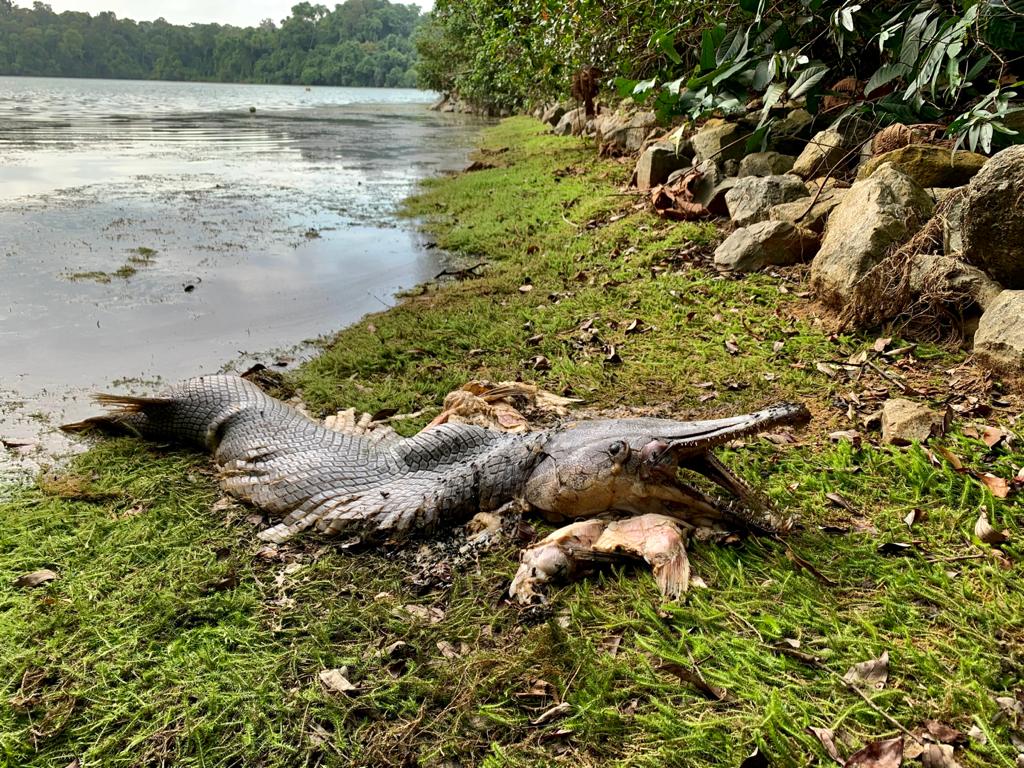
PHOTO: The alligator gar is native to North America and can grow to a length of 2.5m.
Facebook/Karen Lythgoe
Picture posted by Ashley Tan, mothership.sg on 15 February 2021 at 12:11 pm
https://blogger.googleusercontent.com/img/b/R29vZ2xl/AVvXsEiPe_3hZFt8LkWcJGrZ7wgGOnpdqQb4ZLj8s8a1vJBgBBq_PlqMQuFcP2Wt9VGNGFoeoMZySK_QjXg6qWs_5iZj6KIA941k7H4ZThkfmo26h_vq9GvERpXMbGk3mUPVspqEyiYzdEZtv8o/s1024/148624210_10159099108169704_4046387625963538618_o.jpg
https://static.mothership.sg/1/2021/02/148624210_10159099108169704_4046387625963538618_o.jpg
https://mothership.sg/2021/02/alligator-gar-carcass-macritchie/
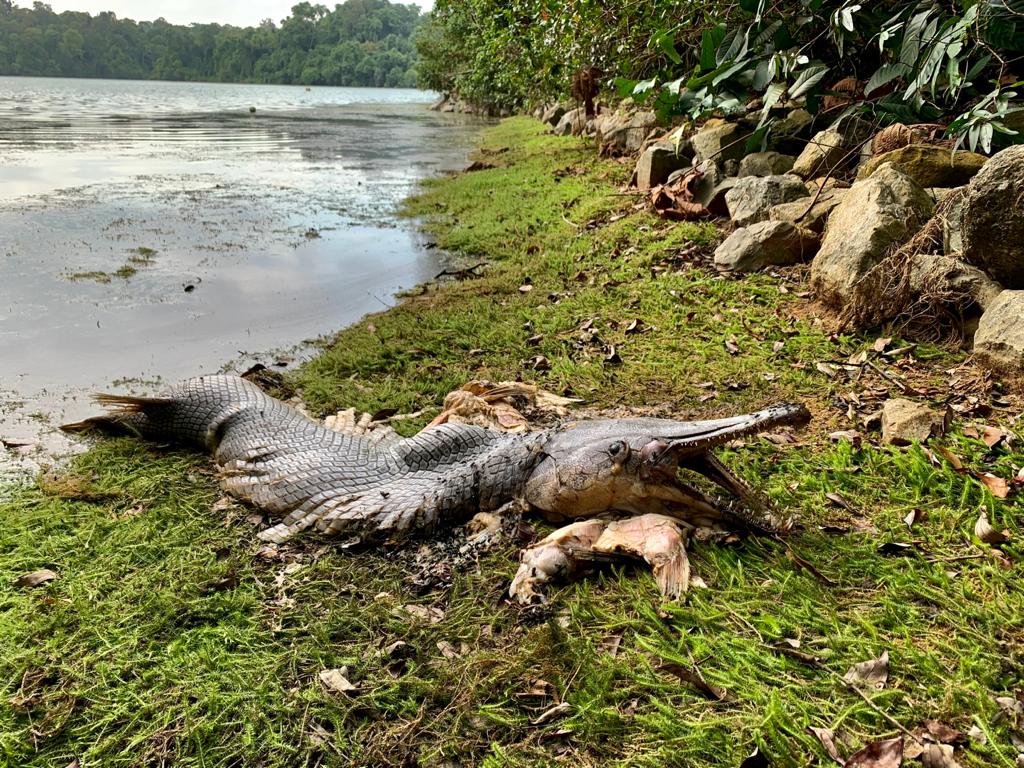
SINGAPORE - The carcass of a 'monstrous' fish spotted on Sunday (Feb 14) at MacRitchie Reservoir is the latest sighting of an alien species that is not supposed to be here at all.
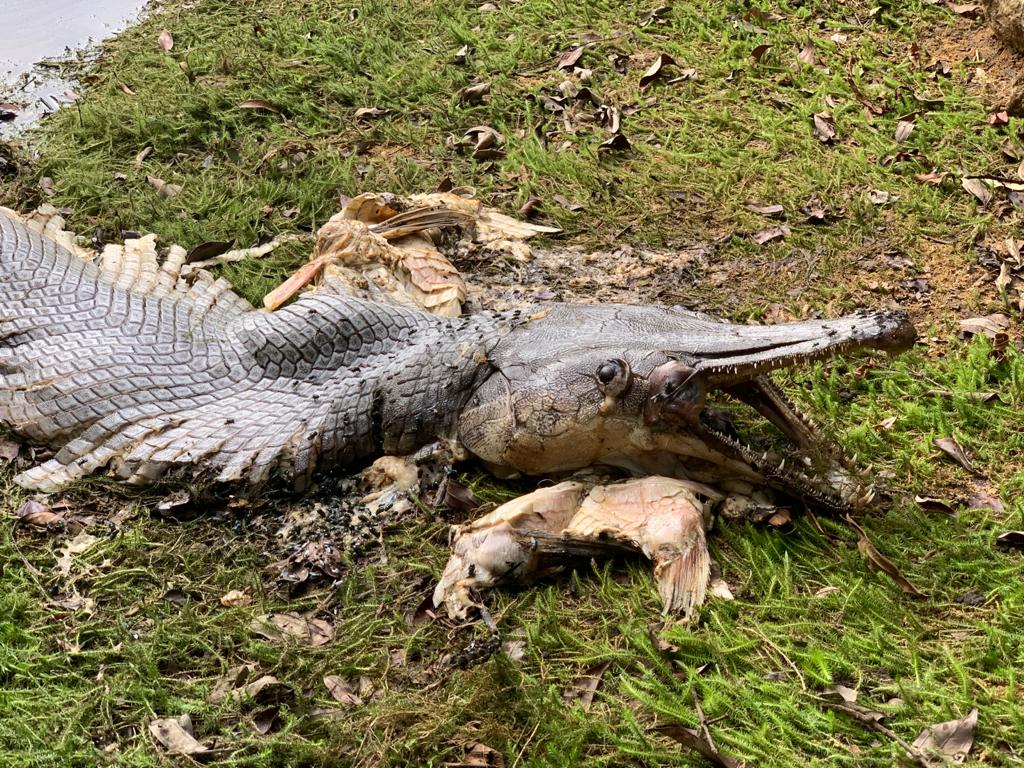
It was identified as an alligator gar. The fish, native to North America, can grow to a length of 2.5m, and is known to be released by owners who cannot cope with its size.
Over the past 10 years, more than 20 people have faced enforcement action for illegally releasing animals, national water agency PUB and the National Parks Board (NParks) said in a joint statement on Wednesday.

Facebook/Karen Lythgoe
Picture posted by Ashley Tan, mothership.sg on 15 February 2021 at 12:11 pm
https://blogger.googleusercontent.com/img/b/R29vZ2xl/AVvXsEiPe_3hZFt8LkWcJGrZ7wgGOnpdqQb4ZLj8s8a1vJBgBBq_PlqMQuFcP2Wt9VGNGFoeoMZySK_QjXg6qWs_5iZj6KIA941k7H4ZThkfmo26h_vq9GvERpXMbGk3mUPVspqEyiYzdEZtv8o/s1024/148624210_10159099108169704_4046387625963538618_o.jpg
https://static.mothership.sg/1/2021/02/148624210_10159099108169704_4046387625963538618_o.jpg
https://mothership.sg/2021/02/alligator-gar-carcass-macritchie/
SINGAPORE - The carcass of a 'monstrous' fish spotted on Sunday (Feb 14) at MacRitchie Reservoir is the latest sighting of an alien species that is not supposed to be here at all.
It was identified as an alligator gar. The fish, native to North America, can grow to a length of 2.5m, and is known to be released by owners who cannot cope with its size.
Over the past 10 years, more than 20 people have faced enforcement action for illegally releasing animals, national water agency PUB and the National Parks Board (NParks) said in a joint statement on Wednesday.
PHOTO: The carcass of a 'monstrous' fish spotted on Sunday (Feb 14) at MacRitchie Reservoir is the latest sighting of an alien species that is not supposed to be here at all. It was identified as an alligator gar.
Picture posted by Ashley Tan, mothership.sg on 15 February 2021 at 12:11 pm
https://blogger.googleusercontent.com/img/b/R29vZ2xl/AVvXsEhSpzWWMBQy-uOQ7vXyrctr9A30mfq4zG_YEt_1l0CvEH-gxmafSOhbGz9iw_Jw1d7k71E7RDpUpUXbtbUMtOD8exAcH6KFt0PHjqnX0iSTchFS7-aQYyxxPbss6xrerxAu0JlDTPwWvO4/s1024/148635023_10159099108869704_8843123249993420260_o.jpg
https://static.mothership.sg/1/2021/02/148635023_10159099108869704_8843123249993420260_o.jpg
https://mothership.sg/2021/02/alligator-gar-carcass-macritchie/

Picture posted by Ashley Tan, mothership.sg on 15 February 2021 at 12:11 pm
https://blogger.googleusercontent.com/img/b/R29vZ2xl/AVvXsEhSpzWWMBQy-uOQ7vXyrctr9A30mfq4zG_YEt_1l0CvEH-gxmafSOhbGz9iw_Jw1d7k71E7RDpUpUXbtbUMtOD8exAcH6KFt0PHjqnX0iSTchFS7-aQYyxxPbss6xrerxAu0JlDTPwWvO4/s1024/148635023_10159099108869704_8843123249993420260_o.jpg
https://static.mothership.sg/1/2021/02/148635023_10159099108869704_8843123249993420260_o.jpg
https://mothership.sg/2021/02/alligator-gar-carcass-macritchie/
PHOTO: The fish, native to North America, can grow to a length of 2.5m, and is known to be released by owners who cannot cope with its size.
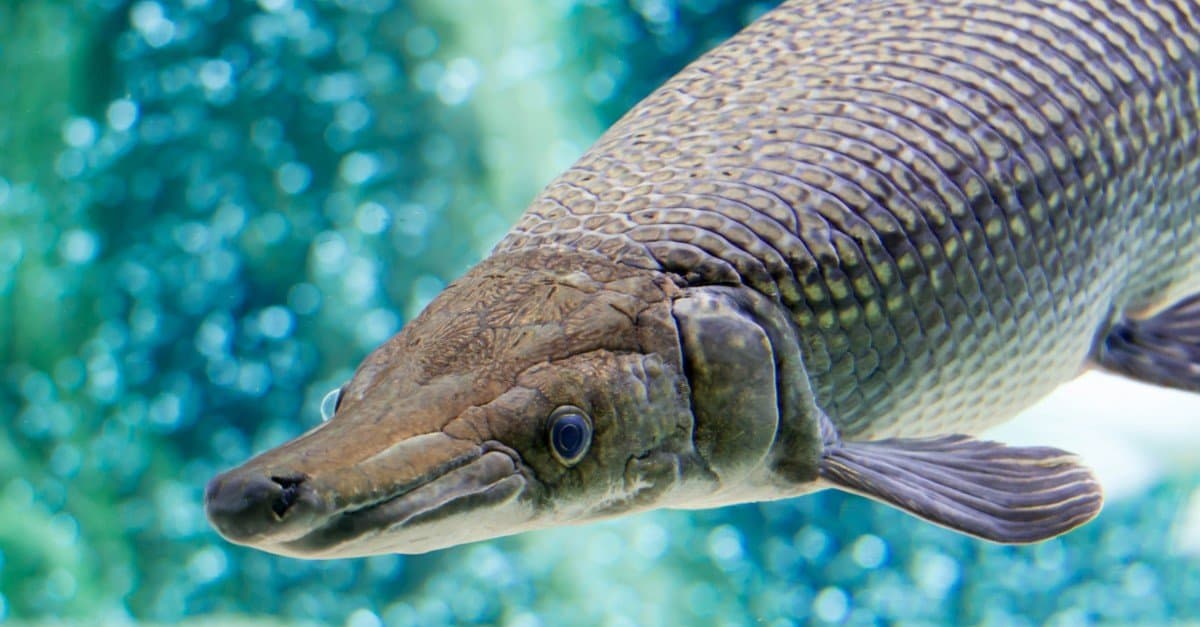
The scientific name of the giant alligator gar is Atractosteus spatula.
Picture posted by AZ Animals Staff on 12 February 2021
https://blogger.googleusercontent.com/img/b/R29vZ2xl/AVvXsEgxJFgcX9ssn6eu4z4AVddfWIpSeOZ4Uc1SG2bGeo3d-1oZWxSCk2S1RRDC3w8cq-HomtjS56oCI-C02QPoM2lqiD7HPqNi5Nuvz2L6EP-Ae5Y59W4X4_TUt9TMEUQbGWLaaEjwWKRZctg/s1200/Alligator-gar-close-up_1.png
https://a-z-animals.com/media/2021/02/Alligator-gar-close-up.jpg
https://a-z-animals.com/animals/alligator-gar/
The carcass of the fish was removed by PUB on Monday.
When such non-native animal populations grow, they compete for natural resources with native biodiversity, the statement said.
In January 2019, around 140 motoro stingrays, which are non-native, were removed from Lower Peirce Reservoir.
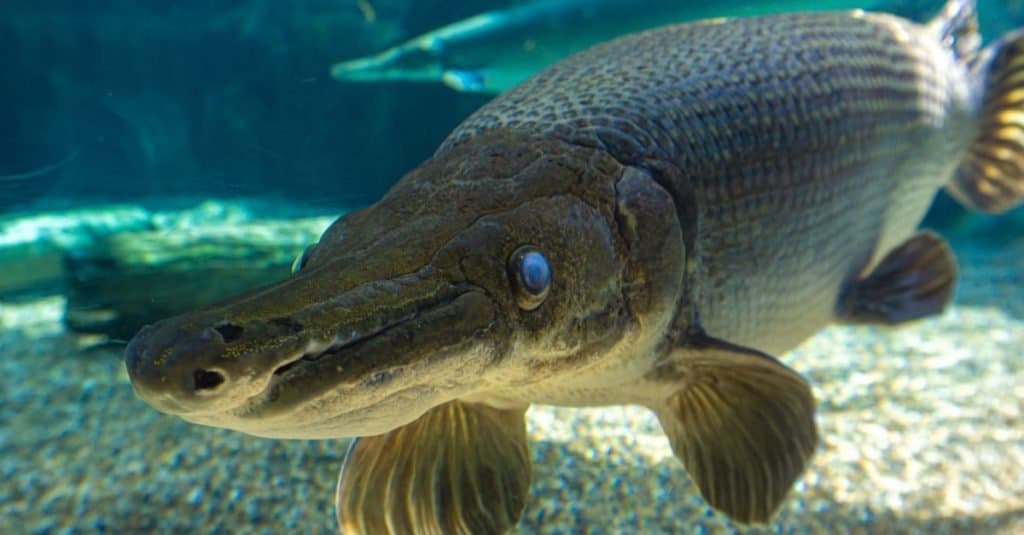
According to Dr Tan Heok Hui, an ichthyologist - or marine biologist who studies fish - at the Lee Kong Chian Natural History Museum, there has been only one capture of an alligator gar in Singapore but it is "rather common" in local fish shops, where juveniles - averaging around 20cm - are sold.

The scientific name of the giant alligator gar is Atractosteus spatula.
Picture posted by AZ Animals Staff on 12 February 2021
https://blogger.googleusercontent.com/img/b/R29vZ2xl/AVvXsEgxJFgcX9ssn6eu4z4AVddfWIpSeOZ4Uc1SG2bGeo3d-1oZWxSCk2S1RRDC3w8cq-HomtjS56oCI-C02QPoM2lqiD7HPqNi5Nuvz2L6EP-Ae5Y59W4X4_TUt9TMEUQbGWLaaEjwWKRZctg/s1200/Alligator-gar-close-up_1.png
https://a-z-animals.com/media/2021/02/Alligator-gar-close-up.jpg
https://a-z-animals.com/animals/alligator-gar/
The carcass of the fish was removed by PUB on Monday.
When such non-native animal populations grow, they compete for natural resources with native biodiversity, the statement said.
In January 2019, around 140 motoro stingrays, which are non-native, were removed from Lower Peirce Reservoir.
According to Dr Tan Heok Hui, an ichthyologist - or marine biologist who studies fish - at the Lee Kong Chian Natural History Museum, there has been only one capture of an alligator gar in Singapore but it is "rather common" in local fish shops, where juveniles - averaging around 20cm - are sold.
PHOTO: According to Dr Tan Heok Hui, an ichthyologist - or marine biologist who studies fish - at the Lee Kong Chian Natural History Museum, there has been only one capture of an alligator gar in Singapore but it is "rather common" in local fish shops, where juveniles - averaging around 20cm - are sold.
Picture posted by a-z-animals.com
https://blogger.googleusercontent.com/img/b/R29vZ2xl/AVvXsEhbBGR4Xoo-i3gScJ4wImT5LRGOCf5nJaQPJyMzt4EjaEzkYxlA1h2Sq2hyrmbL85tcUdjI_0VKN-17BUbI9RA2J0vevWGzEluOUSO7rIzOJv7l4ogylZi87BTAi44pUNlphSHh-UV4Ihc/s1024/Alligator-gar-on-river-floor-1024x535_1.png
https://a-z-animals.com/media/2021/02/Alligator-gar-on-river-floor-1024x535.jpg
https://a-z-animals.com/animals/alligator-gar/
"Its flesh is harvested for food in Mexico, although its eggs are toxic," he added.
Bedok Reservoir, Marina Reservoir and Bishan-Ang Mo Kio Park are among the places where the fish has been seen over the past two decades.
While the latest sighting fascinated geologist Karen Lythgoe, who shared it on Nature Society (Singapore)'s Facebook group after chancing across the carcass on Sunday, she was dismayed to discover its origins.
"I was really shocked when I found out that the fish was released in the wild, that's just irresponsible," said Dr Lythgoe.

Picture posted by a-z-animals.com
https://blogger.googleusercontent.com/img/b/R29vZ2xl/AVvXsEhbBGR4Xoo-i3gScJ4wImT5LRGOCf5nJaQPJyMzt4EjaEzkYxlA1h2Sq2hyrmbL85tcUdjI_0VKN-17BUbI9RA2J0vevWGzEluOUSO7rIzOJv7l4ogylZi87BTAi44pUNlphSHh-UV4Ihc/s1024/Alligator-gar-on-river-floor-1024x535_1.png
https://a-z-animals.com/media/2021/02/Alligator-gar-on-river-floor-1024x535.jpg
https://a-z-animals.com/animals/alligator-gar/
"Its flesh is harvested for food in Mexico, although its eggs are toxic," he added.
Bedok Reservoir, Marina Reservoir and Bishan-Ang Mo Kio Park are among the places where the fish has been seen over the past two decades.
While the latest sighting fascinated geologist Karen Lythgoe, who shared it on Nature Society (Singapore)'s Facebook group after chancing across the carcass on Sunday, she was dismayed to discover its origins.
"I was really shocked when I found out that the fish was released in the wild, that's just irresponsible," said Dr Lythgoe.
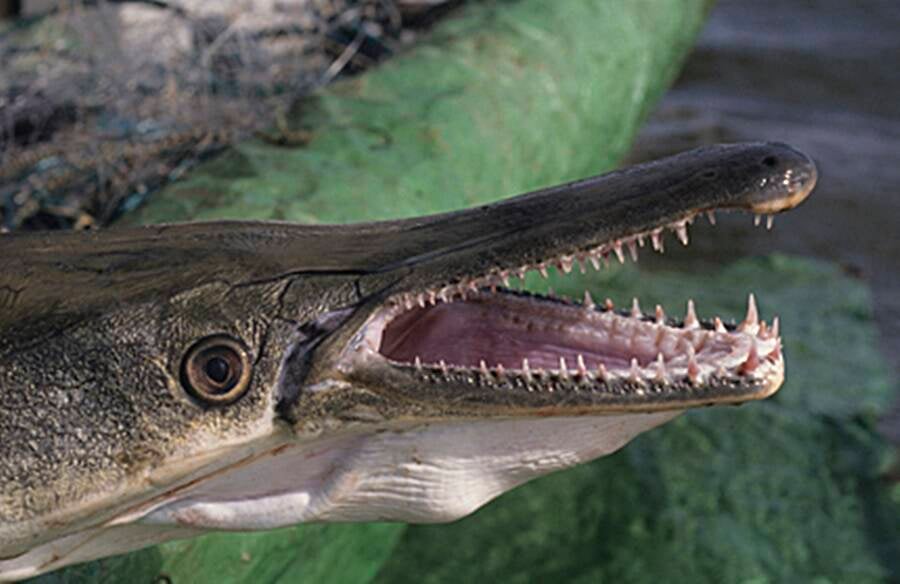
PHOTO: Bedok Reservoir, Marina Reservoir and Bishan-Ang Mo Kio Park are among the places where the fish has been seen over the past two decades. The alligator gar is one of the largest freshwater fish species in North America. The ancient fish’s fearsome teeth make it look like an alligator.
Picture posted by Natasha Ishak on 28 August 2020
https://blogger.googleusercontent.com/img/b/R29vZ2xl/AVvXsEhgyM7S6HnwRGKyOGTZeXpIb-PzaG3_Bmpaxs7ChFoyw59f9sLcOLhzpaJYIAfoALhTKw6cttQZ3VAvrprMZSZQsKs5mWvgu2bMgJ54wTcKV2YYFRPCzwzD4iJsnjpL_WX8KFeNgtQ4gdQ/s900/alligator-gar-head.jpg
https://allthatsinteresting.com/wordpress/wp-content/uploads/2020/08/alligator-gar-head.jpg
https://allthatsinteresting.com/alligator-gar
Under the Public Utilities Regulations, those who release animals into reservoirs and water ways may be fined up to $3,000.
Offenders caught releasing animals in parks and nature reserves face fines of up to $50,000, while those who release wildlife can be fined a maximum of $5,000.
"We would like to remind everyone that the release of animals into our water bodies will disrupt the delicate aquatic ecosystem of our waters and may also pose a risk to users of our water bodies," NParks and PUB said.
Picture posted by Natasha Ishak on 28 August 2020
https://blogger.googleusercontent.com/img/b/R29vZ2xl/AVvXsEhgyM7S6HnwRGKyOGTZeXpIb-PzaG3_Bmpaxs7ChFoyw59f9sLcOLhzpaJYIAfoALhTKw6cttQZ3VAvrprMZSZQsKs5mWvgu2bMgJ54wTcKV2YYFRPCzwzD4iJsnjpL_WX8KFeNgtQ4gdQ/s900/alligator-gar-head.jpg
https://allthatsinteresting.com/wordpress/wp-content/uploads/2020/08/alligator-gar-head.jpg
https://allthatsinteresting.com/alligator-gar
Under the Public Utilities Regulations, those who release animals into reservoirs and water ways may be fined up to $3,000.
Offenders caught releasing animals in parks and nature reserves face fines of up to $50,000, while those who release wildlife can be fined a maximum of $5,000.
"We would like to remind everyone that the release of animals into our water bodies will disrupt the delicate aquatic ecosystem of our waters and may also pose a risk to users of our water bodies," NParks and PUB said.
PHOTO: If you thought alligator gars look pretty prehistoric, that's because they are — the scientific family that gars belong to has a lineage that dates back to dinosaur times, or around 157 million years ago.
Alligator gars are also referred to as "living fossils" as they retain certain attributes remarkably similar to their ancestors, with little to no changes over the decades.
Picture posted by Ashley Tan, mothership.sg on 15 February 2021 at 12:11 pm
https://blogger.googleusercontent.com/img/b/R29vZ2xl/AVvXsEhSpzWWMBQy-uOQ7vXyrctr9A30mfq4zG_YEt_1l0CvEH-gxmafSOhbGz9iw_Jw1d7k71E7RDpUpUXbtbUMtOD8exAcH6KFt0PHjqnX0iSTchFS7-aQYyxxPbss6xrerxAu0JlDTPwWvO4/s1024/148635023_10159099108869704_8843123249993420260_o.jpg
https://static.mothership.sg/1/2021/02/148635023_10159099108869704_8843123249993420260_o.jpg
https://mothership.sg/2021/02/alligator-gar-carcass-macritchie/

Alligator gars are also referred to as "living fossils" as they retain certain attributes remarkably similar to their ancestors, with little to no changes over the decades.
Picture posted by Ashley Tan, mothership.sg on 15 February 2021 at 12:11 pm
https://blogger.googleusercontent.com/img/b/R29vZ2xl/AVvXsEhSpzWWMBQy-uOQ7vXyrctr9A30mfq4zG_YEt_1l0CvEH-gxmafSOhbGz9iw_Jw1d7k71E7RDpUpUXbtbUMtOD8exAcH6KFt0PHjqnX0iSTchFS7-aQYyxxPbss6xrerxAu0JlDTPwWvO4/s1024/148635023_10159099108869704_8843123249993420260_o.jpg
https://static.mothership.sg/1/2021/02/148635023_10159099108869704_8843123249993420260_o.jpg
https://mothership.sg/2021/02/alligator-gar-carcass-macritchie/
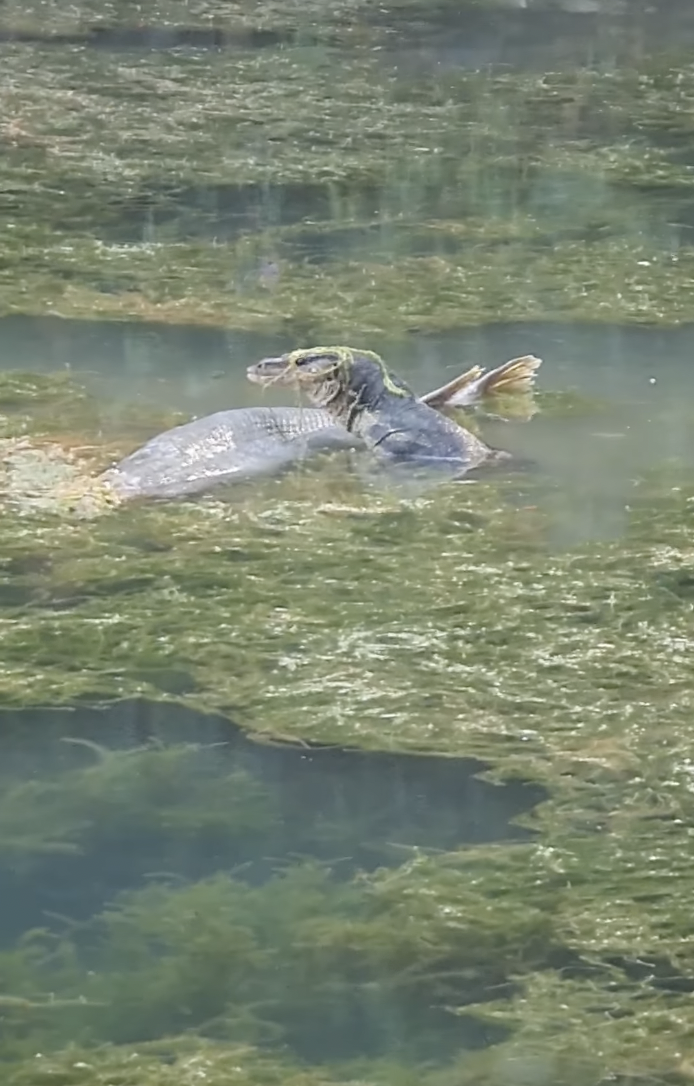
PHOTO: Monitor lizard spotted eating alligator gar carcass
A video posted by one Yvonne Wong showed a monitor lizard feasting on a gar's carcass.
However, it is uncertain if this is really the same gar individual, or if this video was filmed at MacRitchie.
Picture posted by Ashley Tan, mothership.sg on 15 February 2021 at 12:11 pm - Leviathan
https://blogger.googleusercontent.com/img/b/R29vZ2xl/AVvXsEjdtbI3H5xEuA7Et0hNRZdHa3RrwOk5vzSYrOCtu8cZnd4AE9xeTbzGgYDKa1VWT2atPmHb83xJ31TqAToxlYhta5ofKwyZyyTQcOZBa0Y7ToKKRKZQBcpI0dym98wmeLRmjbXiQNTFW7g/s1086/Screenshot-2021-02-15-at-11.33.18-AM.png
https://static.mothership.sg/1/2021/02/Screenshot-2021-02-15-at-11.33.18-AM.png
https://mothership.sg/2021/02/alligator-gar-carcass-macritchie/

A video posted by one Yvonne Wong showed a monitor lizard feasting on a gar's carcass.
However, it is uncertain if this is really the same gar individual, or if this video was filmed at MacRitchie.
Picture posted by Ashley Tan, mothership.sg on 15 February 2021 at 12:11 pm - Leviathan
https://blogger.googleusercontent.com/img/b/R29vZ2xl/AVvXsEjdtbI3H5xEuA7Et0hNRZdHa3RrwOk5vzSYrOCtu8cZnd4AE9xeTbzGgYDKa1VWT2atPmHb83xJ31TqAToxlYhta5ofKwyZyyTQcOZBa0Y7ToKKRKZQBcpI0dym98wmeLRmjbXiQNTFW7g/s1086/Screenshot-2021-02-15-at-11.33.18-AM.png
https://static.mothership.sg/1/2021/02/Screenshot-2021-02-15-at-11.33.18-AM.png
https://mothership.sg/2021/02/alligator-gar-carcass-macritchie/
PHOTO: Behemoth and Leviathan
In the Old Testament, Leviathan appears in Psalms 74:14 as a multiheaded sea serpent that is killed by God and given as food to the Hebrews in the wilderness. In Isaiah 27:1, Leviathan is a serpent and a symbol of Israel's enemies, who will be slain by God.
Behemoth, in the Old Testament, a powerful, grass-eating animal whose “bones are tubes of bronze, his limbs like bars of iron” (Job 40:18).
In the Old Testament, Leviathan appears in Psalms 74:14 as a multiheaded sea serpent that is killed by God and given as food to the Hebrews in the wilderness. In Isaiah 27:1, Leviathan is a serpent and a symbol of Israel's enemies, who will be slain by God.
Behemoth, in the Old Testament, a powerful, grass-eating animal whose “bones are tubes of bronze, his limbs like bars of iron” (Job 40:18).
To help Job remember his place in the world, God points him to two of the mightiest creatures: the behemoth on land and the leviathan in the sea. These animals were incredibly powerful and frightening to behold. They were no one’s pets—except for God’s. The pride and glory of man paled in comparison to the dreadful, untamable strength of the behemoth and the leviathan. How much more humble is man in God’s presence? And that’s the point. Neither Job nor anyone else has the right to criticize God’s work. The One who created Behemoth is worthy of our reverence, awe, and worship. “Will the one who contends with the Almighty correct him? Let him who accuses God answer him!” (Job 40:2). [2]
Picture saved by Stephen Alexander to Races
https://blogger.googleusercontent.com/img/b/R29vZ2xl/AVvXsEiP7-HNKWC_D_gMEYlIUHLrOKkU1ba12flnxJH5GevfDL0m_BXw9GPHNPUYR6kVHr5Rd09gA3B3y9uqV3-FVhXLFMSv1_caaO3NMp1QzBXGip6N75f99x29omcoY9cEggaaitubTofg6KM/s797/f64e8bceeb0f346c9866728958541d72.jpg
https://i.pinimg.com/564x/f6/4e/8b/f64e8bceeb0f346c9866728958541d72.jpg
https://www.pinterest.com/pin/AfJ9c08wzjnWeVgy4SWmQ8VYF3Zkm8xuiW38hPyEZUYSqHW7h5ax3TQ/
By Ang Qing, The Straits Times, Asiaone, 18 February 2021 at at 8:38 am
This article was first published in The Straits Times. Permission required for reproduction.
Cosplay (Links)
Busan International Film Festival (BIFF)
Japanese Samba Carnival (links)
Asakusa Samba Carnival (links)
Brazilian Samba Carnival (links)
Scandinavian Samba Carnival (links)
Other stories
Nursing stories
Healthcare stories (links)
Strange thing (Links)
Reference
[1] Ang Qing, The Straits Times, Asiaone, Dead alien fish spotted at MacRitchie Reservoir, posted on 18 February 2021 at at 8:38 am, https://www.asiaone.com/singapore/dead-alien-fish-spotted-macritchie-reservoir
[2] Got Questions Ministries, What is the behemoth?, https://www.gotquestions.org/behemoth.html
Links
The Straits Times - https://www.straitstimes.com/singapore/monstrous-fish-at-macritchie-identified-as-non-native-alligator-gar
posted - https://www.facebook.com/groups/naturesocietysingapore/permalink/10158809850773213
Asakusa Samba Carnival (links) - https://veryfatoldman.blogspot.com/2020/10/asakusa-samba-carnival.html
Brazilian Samba Carnival - https://veryfatoldman.blogspot.com/2020/10/brazilian-samba-carnival-links.html
Scandinavian Samba Carnival (links) - https://veryfatoldman.blogspot.com/2020/10/scandinavian-samba-carnival-links.html
Other stories - https://veryfatoldman.blogspot.com/2020/05/other-stories.html
New International Version (NIV), Holy Bible, New International Version®, NIV® Copyright ©1973, 1978, 1984, 2011 by Biblica, Inc.® Used by permission. All rights reserved worldwide.
Isaiah 27:1 - https://www.biblegateway.com/passage/?search=Isaiah+27%3A1&version=NIV
Job 40:2 - https://www.biblegateway.com/passage/?search=Job+40%3A2&version=NIV
Job 40:18 - https://www.biblegateway.com/passage/?search=Job+40%3A18&version=NIV
Psalms 74:14 - https://www.biblegateway.com/passage/?search=Psalms+74%3A14&version=NIV
https://i.pinimg.com/564x/f6/4e/8b/f64e8bceeb0f346c9866728958541d72.jpg
https://www.pinterest.com/pin/AfJ9c08wzjnWeVgy4SWmQ8VYF3Zkm8xuiW38hPyEZUYSqHW7h5ax3TQ/
By Ang Qing, The Straits Times, Asiaone, 18 February 2021 at at 8:38 am
This article was first published in The Straits Times. Permission required for reproduction.
Cosplay (Links)
Busan International Film Festival (BIFF)
Japanese Samba Carnival (links)
Asakusa Samba Carnival (links)
Brazilian Samba Carnival (links)
Scandinavian Samba Carnival (links)
Other stories
Nursing stories
Strange thing (Links)
Reference
[1] Ang Qing, The Straits Times, Asiaone, Dead alien fish spotted at MacRitchie Reservoir, posted on 18 February 2021 at at 8:38 am, https://www.asiaone.com/singapore/dead-alien-fish-spotted-macritchie-reservoir
[2] Got Questions Ministries, What is the behemoth?, https://www.gotquestions.org/behemoth.html
Links
The Straits Times - https://www.straitstimes.com/singapore/monstrous-fish-at-macritchie-identified-as-non-native-alligator-gar
posted - https://www.facebook.com/groups/naturesocietysingapore/permalink/10158809850773213
Cosplay (Links) - https://veryfatoldman.blogspot.com/2020/10/cosplay-links.html
Busan International Film Festival (BIFF) - https://veryfatoldman.blogspot.com/2020/09/busan-international-film-festival-biff.html
Japanese Samba Carnival (links) - https://veryfatoldman.blogspot.com/2020/10/japanese-samba-carnival-links.html
Busan International Film Festival (BIFF) - https://veryfatoldman.blogspot.com/2020/09/busan-international-film-festival-biff.html
Japanese Samba Carnival (links) - https://veryfatoldman.blogspot.com/2020/10/japanese-samba-carnival-links.html
Asakusa Samba Carnival (links) - https://veryfatoldman.blogspot.com/2020/10/asakusa-samba-carnival.html
Brazilian Samba Carnival - https://veryfatoldman.blogspot.com/2020/10/brazilian-samba-carnival-links.html
Scandinavian Samba Carnival (links) - https://veryfatoldman.blogspot.com/2020/10/scandinavian-samba-carnival-links.html
Other stories - https://veryfatoldman.blogspot.com/2020/05/other-stories.html
Healthcare stories (links) - https://veryfatoldman.blogspot.com/2021/01/healthcare-stories-links.html
New International Version (NIV), Holy Bible, New International Version®, NIV® Copyright ©1973, 1978, 1984, 2011 by Biblica, Inc.® Used by permission. All rights reserved worldwide.
Isaiah 27:1 - https://www.biblegateway.com/passage/?search=Isaiah+27%3A1&version=NIV
Job 40:2 - https://www.biblegateway.com/passage/?search=Job+40%3A2&version=NIV
Job 40:18 - https://www.biblegateway.com/passage/?search=Job+40%3A18&version=NIV
Psalms 74:14 - https://www.biblegateway.com/passage/?search=Psalms+74%3A14&version=NIV
- https://blogger.googleusercontent.com/img/b/R29vZ2xl/AVvXsEiPe_3hZFt8LkWcJGrZ7wgGOnpdqQb4ZLj8s8a1vJBgBBq_PlqMQuFcP2Wt9VGNGFoeoMZySK_QjXg6qWs_5iZj6KIA941k7H4ZThkfmo26h_vq9GvERpXMbGk3mUPVspqEyiYzdEZtv8o/s1024/148624210_10159099108169704_4046387625963538618_o.jpg
- https://static.mothership.sg/1/2021/02/148624210_10159099108169704_4046387625963538618_o.jpg
- https://mothership.sg/2021/02/alligator-gar-carcass-macritchie/
- https://blogger.googleusercontent.com/img/b/R29vZ2xl/AVvXsEhSpzWWMBQy-uOQ7vXyrctr9A30mfq4zG_YEt_1l0CvEH-gxmafSOhbGz9iw_Jw1d7k71E7RDpUpUXbtbUMtOD8exAcH6KFt0PHjqnX0iSTchFS7-aQYyxxPbss6xrerxAu0JlDTPwWvO4/s1024/148635023_10159099108869704_8843123249993420260_o.jpg
- https://static.mothership.sg/1/2021/02/148635023_10159099108869704_8843123249993420260_o.jpg
- https://mothership.sg/2021/02/alligator-gar-carcass-macritchie/
- https://blogger.googleusercontent.com/img/b/R29vZ2xl/AVvXsEgxJFgcX9ssn6eu4z4AVddfWIpSeOZ4Uc1SG2bGeo3d-1oZWxSCk2S1RRDC3w8cq-HomtjS56oCI-C02QPoM2lqiD7HPqNi5Nuvz2L6EP-Ae5Y59W4X4_TUt9TMEUQbGWLaaEjwWKRZctg/s1200/Alligator-gar-close-up_1.png
- https://a-z-animals.com/media/2021/02/Alligator-gar-close-up.jpg
- https://a-z-animals.com/animals/alligator-gar/
- https://blogger.googleusercontent.com/img/b/R29vZ2xl/AVvXsEhbBGR4Xoo-i3gScJ4wImT5LRGOCf5nJaQPJyMzt4EjaEzkYxlA1h2Sq2hyrmbL85tcUdjI_0VKN-17BUbI9RA2J0vevWGzEluOUSO7rIzOJv7l4ogylZi87BTAi44pUNlphSHh-UV4Ihc/s1024/Alligator-gar-on-river-floor-1024x535_1.png
- https://a-z-animals.com/media/2021/02/Alligator-gar-on-river-floor-1024x535.jpg
- https://a-z-animals.com/animals/alligator-gar/
- https://blogger.googleusercontent.com/img/b/R29vZ2xl/AVvXsEhgyM7S6HnwRGKyOGTZeXpIb-PzaG3_Bmpaxs7ChFoyw59f9sLcOLhzpaJYIAfoALhTKw6cttQZ3VAvrprMZSZQsKs5mWvgu2bMgJ54wTcKV2YYFRPCzwzD4iJsnjpL_WX8KFeNgtQ4gdQ/s900/alligator-gar-head.jpg
- https://allthatsinteresting.com/wordpress/wp-content/uploads/2020/08/alligator-gar-head.jpg
- https://allthatsinteresting.com/alligator-gar
- https://blogger.googleusercontent.com/img/b/R29vZ2xl/AVvXsEhSpzWWMBQy-uOQ7vXyrctr9A30mfq4zG_YEt_1l0CvEH-gxmafSOhbGz9iw_Jw1d7k71E7RDpUpUXbtbUMtOD8exAcH6KFt0PHjqnX0iSTchFS7-aQYyxxPbss6xrerxAu0JlDTPwWvO4/s1024/148635023_10159099108869704_8843123249993420260_o.jpg
- https://static.mothership.sg/1/2021/02/148635023_10159099108869704_8843123249993420260_o.jpg
- https://mothership.sg/2021/02/alligator-gar-carcass-macritchie/
- https://blogger.googleusercontent.com/img/b/R29vZ2xl/AVvXsEjdtbI3H5xEuA7Et0hNRZdHa3RrwOk5vzSYrOCtu8cZnd4AE9xeTbzGgYDKa1VWT2atPmHb83xJ31TqAToxlYhta5ofKwyZyyTQcOZBa0Y7ToKKRKZQBcpI0dym98wmeLRmjbXiQNTFW7g/s1086/Screenshot-2021-02-15-at-11.33.18-AM.png
- https://static.mothership.sg/1/2021/02/Screenshot-2021-02-15-at-11.33.18-AM.png
- https://mothership.sg/2021/02/alligator-gar-carcass-macritchie/
- https://blogger.googleusercontent.com/img/b/R29vZ2xl/AVvXsEiP7-HNKWC_D_gMEYlIUHLrOKkU1ba12flnxJH5GevfDL0m_BXw9GPHNPUYR6kVHr5Rd09gA3B3y9uqV3-FVhXLFMSv1_caaO3NMp1QzBXGip6N75f99x29omcoY9cEggaaitubTofg6KM/s797/f64e8bceeb0f346c9866728958541d72.jpg
- https://i.pinimg.com/564x/f6/4e/8b/f64e8bceeb0f346c9866728958541d72.jpg
- https://www.pinterest.com/pin/AfJ9c08wzjnWeVgy4SWmQ8VYF3Zkm8xuiW38hPyEZUYSqHW7h5ax3TQ/


 Posts
Posts












.jpg)
.gif)