Source (book): "In The Beginning", Tracing The Gospel Story In Genesis, Chapter 1, Question 1, "Who God is and what His purposes are", Page 5.
By Robert M. Solomon, Bishop of the Methodist Church in Singapore from 2000 - 2012

PHOTO: What important role does Genesis 1 play in helping us understand who God is and what His purposes are?
Key Roles in Understanding God’s Purposes
What important role does Genesis 1 play in helping us understand who God is and what His purposes are?
From "In The Beginning", Tracing The Gospel Story In Genesis, Chapter 1 by Robert M. Solomon, page 5-13.
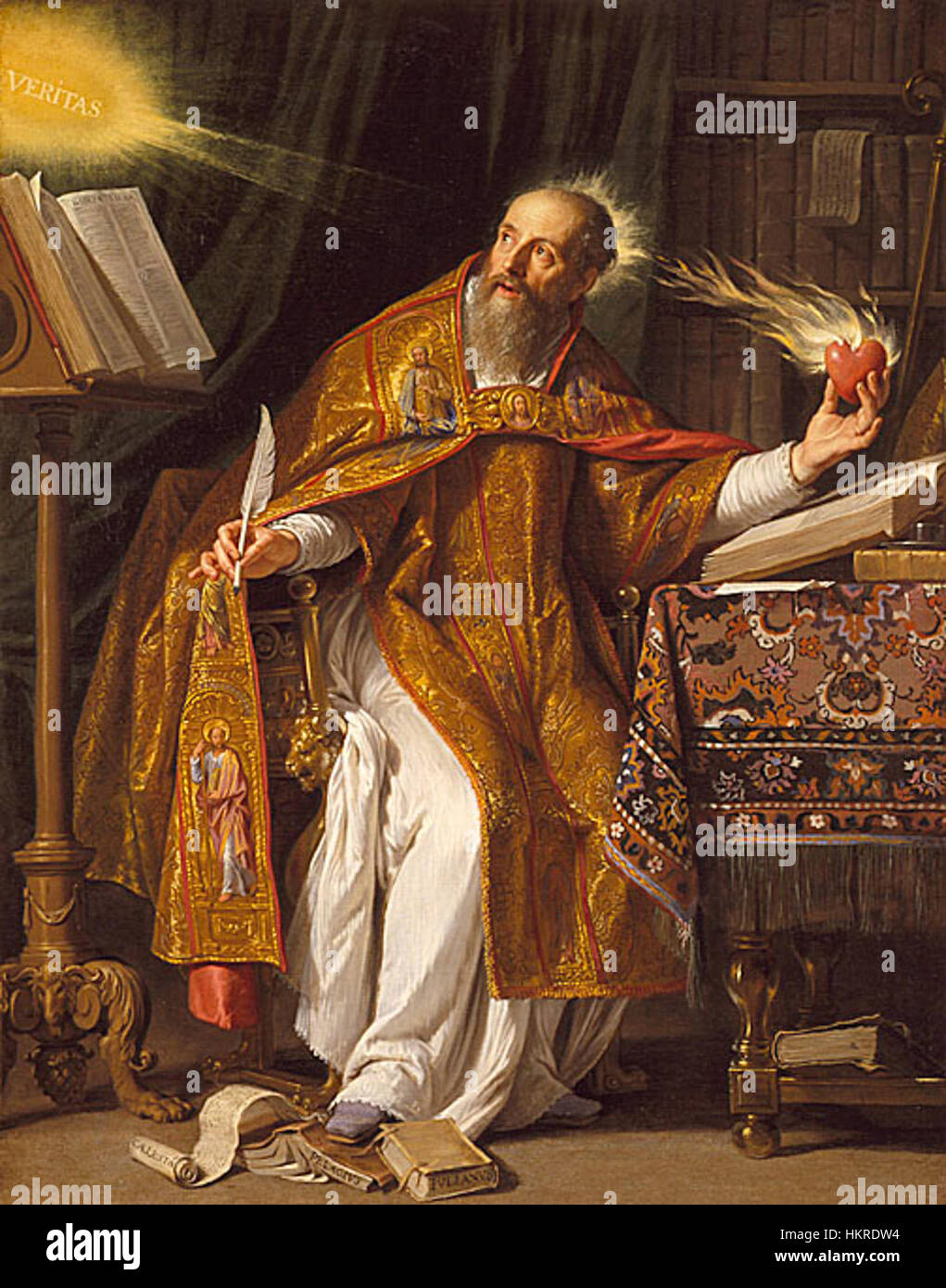
Some of the greatest Christian minds have tried to understand the creation account in the first chapter of Genesis. Augustine (354-430), for instance, wrote four different books on the topic, exploring various interpretations.⁴
Since then, Christians have been exercising thought, time, and energy to argue about the nature of the "days", the sequence of creation, the age of earth, and creation versus evolution.
These ideas may be interesting to explore, but we must not miss the key point in this passage: an encounter with the God who created the universe that we live in.
We will take Augustine's suggestion here as we explore Genesis 1 as a literary device to convey key truths about God.
https://blogger.googleusercontent.com/img/b/R29vZ2xl/AVvXsEj6PZZ7t07HqAMZfHSs2wiLsbrZtwlMdayXfLLxhC5pN7399SswedlJuAtBG221Sh5yj9w1EHEOO_MTQeLk0p9Obp6M-M3Q3g1eu80QOiM4irAQgLqJjfjdbFgVCI8qOEgqnIzaq2Y-opK89BBJEODpQiyoHpjfg3m97LwizquCFJU8ae7G-_OPMRtzd5Y/s3072/92a1ffb12bac6e36859919b5fb4b6bee_2.png
https://i.pinimg.com/1200x/92/a1/ff/92a1ffb12bac6e36859919b5fb4b6bee.jpg
https://ar.pinterest.com/pin/26529085299443060/
What important role does Genesis 1 play in helping us understand who God is and what His purposes are?
Genesis 1 serves as a foundational theological framework by revealing God's sovereign, orderly, and personal character and establishing the world as a "Cosmic Temple" for His presence. The chapter also defines humanity's purpose as reflecting God's image and stewarding creation, while setting the pattern for redemption by showing the original good design that the Gospel seeks to restore. (From Google AI Mode)
By Robert M. Solomon, Bishop of the Methodist Church in Singapore from 2000 - 2012
PHOTO: What important role does Genesis 1 play in helping us understand who God is and what His purposes are?
Genesis
1 serves as a foundational theological framework by revealing God's
sovereign, orderly, and personal character and establishing the world as
a "Cosmic Temple"
for His presence. The chapter also defines humanity's purpose as
reflecting God's image and stewarding creation, while setting the
pattern for redemption by showing the original good design that the
Gospel seeks to restore. (From Google AI Mode)
Genesis 1 plays a critical role in establishing the foundational understanding of God’s character and His divine intentions. (Answer from Google AI Mode)
Key Roles of Genesis 1 in Understanding God
Genesis 1 plays a critical role in establishing the foundational understanding of God’s character and His divine intentions. (Answer from Google AI Mode)
Key Roles of Genesis 1 in Understanding God
- The Revelation of a Personal Creator: Solomon emphasizes that God is not an impersonal force but an interpersonal, creative being. Genesis 1 introduces God as a "loving and caring Father" who chooses to involve Himself personally with His creation.
- Establishment of Divine Sovereignty: The chapter establishes God as the sovereign Creator who calls all things into existence out of nothing. This reveals His absolute power and total authority over the universe.
- God as an Orderly Designer: Solomon points out that God’s process of taking "disorder and darkness" and creating "order, beauty, and goodness" shows His desire for structure and purpose. This orderly design invites humans to identify with Him, as we also seek to bring order to our environments.
Key Roles in Understanding God’s Purposes
- Humanity as the Image-Bearer: A central purpose revealed in Genesis 1 is God’s desire to share His creation with humans made in His own image. This purpose is relational; God made humans for fellowship with Himself and to reflect His character.
- The Mandate of Stewardship: God’s purpose for humanity includes a specific role: to rule as His representatives and stewards over the earth. Humans are intended to "harness this world’s potential" and care for it on God’s behalf.
- The Foundation of the Gospel Story: By showing the original "good" design of the world, Genesis 1 sets the stage for the entire biblical narrative of redemption. It helps us understand that God's ultimate purpose is the restoration of this original order and the fulfillment of His covenant promises through the Messiah.
What important role does Genesis 1 play in helping us understand who God is and what His purposes are?
From "In The Beginning", Tracing The Gospel Story In Genesis, Chapter 1 by Robert M. Solomon, page 5-13.
Some of the greatest Christian minds have tried to understand the creation account in the first chapter of Genesis. Augustine (354-430), for instance, wrote four different books on the topic, exploring various interpretations.⁴
Since then, Christians have been exercising thought, time, and energy to argue about the nature of the "days", the sequence of creation, the age of earth, and creation versus evolution.
These ideas may be interesting to explore, but we must not miss the key point in this passage: an encounter with the God who created the universe that we live in.
We will take Augustine's suggestion here as we explore Genesis 1 as a literary device to convey key truths about God.
God Is the Creator
Genesis starts with "In the beginning God created the heavens and the earth . . . and the Spirit of God was hovering over the waters" (Genesis 1:1-2). As the first chapter lists all that God created, we see a phrase repeated nine times, "God said" (Genesis 1:3,6, 9, 11, 14, 20, 24, 26, 29). This demonstrates the reality and power of God's creative Word.
However, the beauty of this new world would not remain unsullied (untainted). In Genesis 3 (which we will cover later), the first couple whom God created disobeyed. His command not to eat the forbidden fruit from the tree of the knowledge of good and evil. Their disobedience brought about a curse that affected both the natural world and human beings. With their relationship with God tainted by sin, how could they be redeemed and brought back into relationship with Him? This brings us to God's plan of salvation through His Son Jesus.
Significantly, the language that is used to introduce Genesis makes a striking reappearance at the start of all four gospels. All the four writers of the gospels begin by explaining that God was creating something new through His Son and Spirits at this point in history: Matthew's use the word "genealogy" (Matthew 1:1) is the Greek word "genesis" (the first word in the Septuagint, the Greek translation of the Hebrew Bible). Mark's gospel opens with "The beginning (genesis) of the good news about Jesus the Messiah, the Son of God" (Mark 1:1). Luke tells his story "from the beginning" (Luke 1:3). And John writes, "In the beginning was the Word, and the Word was with God, and the Word was God. He was with God in the beginning. Through him all things were made; without him nothing was made that has been made" (John 1:3).
The authors' choices are intentional, a way of demonstrating that who Jesus is has everything to do with who God is: the Word of God made flesh (John 1:14), the "firstborn over all creation" (Colossians 1:15).
While Genesis focuses on God and the Spirit, John's gospel makes clear that Christ (the Word) was present as well. These parallels suggest that the triune God was involved in both creation and the new creation. God was re-creating the fallen world through His Son and Spirit.
In the 4th century, Athanasius described the central role of Jesus in our salvation using the analogy of a painter, His painting, and the subject of the portrait. The painter (God) lovingly paints a beautiful portrait (the human being), but sadly that portrait becomes marred (by man's fall into sin). Instead of throwing away the spoiled painting, the divine Artist has the original subject (His Son, Jesus Christ), in whose image the portrait was first painted, to come and sit again so that the portrait can be redeemed by being redrawn. Thus, those who turn to Christ and keep their eyes fixed on Him (Hebrews 12:2) will become like Him through the power of the Holy Spirit (2 Corinthians 3:18), thus becoming like God and having the image of God within fully restored by God's grace and power. This is the collective work of the triune God.
The new creation will culminate in a new earth and new heaven, as John writes, "'Then I saw 'a new heaven and a new earth,' for the first heaven and the first earth had passed away" (Revelation 21:1). The bookends of the Bible (Genesis and Revelation), therefore, describe that God is the Creator in the beginning and in the end. The beginning is already "pregnant with the end" in the presence of God who is the First and the Last, the Alpha and Omega (Isaiah 48:12; Revelation 1:8).
As such, the truth of God as Creator stands against all contrary ideas and ideologies. As Old Testament scholar Derek Kidner explains, "The creation story has stood as a bulwark (a defensive wall) against a succession of fashionable errors - polytheism, dualism, the eternity of matter, astrology - and not least, against every tendency to empty human history of meaning.⁵ It resists this nihilism explicitly, in displaying man as God's image and regent; but also implicitly, in presenting the tremendous acts of creation as a mere curtain-raiser to the drama that slowly unfolds throughout the length of the Bible."⁶
It is significant for us that God is our Creator. He personally made each of us (Psalm 139). The creative acts in the words "formed" and "breathed" (Genesis 2:7) speak of our nature that is connected with God and matter; we are embodied beings, comprising earthly dust and divine breath. We also belong to Him - twice. The first time because He made us, and the second time because He bought us back from sin "at a price" (1 Corinthians 7:23). When we become a "new creation" in Christ (2 Corinthians 5:17), He continually remakes us in His "likeness" and "image" (Genesis 1:26-27) to restore our sin-tarnished image through His Son, who is the perfect image of God the Father (Colossians 1:15; Hebrews 1:3).
However, the beauty of this new world would not remain unsullied (untainted). In Genesis 3 (which we will cover later), the first couple whom God created disobeyed. His command not to eat the forbidden fruit from the tree of the knowledge of good and evil. Their disobedience brought about a curse that affected both the natural world and human beings. With their relationship with God tainted by sin, how could they be redeemed and brought back into relationship with Him? This brings us to God's plan of salvation through His Son Jesus.
Significantly, the language that is used to introduce Genesis makes a striking reappearance at the start of all four gospels. All the four writers of the gospels begin by explaining that God was creating something new through His Son and Spirits at this point in history: Matthew's use the word "genealogy" (Matthew 1:1) is the Greek word "genesis" (the first word in the Septuagint, the Greek translation of the Hebrew Bible). Mark's gospel opens with "The beginning (genesis) of the good news about Jesus the Messiah, the Son of God" (Mark 1:1). Luke tells his story "from the beginning" (Luke 1:3). And John writes, "In the beginning was the Word, and the Word was with God, and the Word was God. He was with God in the beginning. Through him all things were made; without him nothing was made that has been made" (John 1:3).
The authors' choices are intentional, a way of demonstrating that who Jesus is has everything to do with who God is: the Word of God made flesh (John 1:14), the "firstborn over all creation" (Colossians 1:15).
While Genesis focuses on God and the Spirit, John's gospel makes clear that Christ (the Word) was present as well. These parallels suggest that the triune God was involved in both creation and the new creation. God was re-creating the fallen world through His Son and Spirit.
In the 4th century, Athanasius described the central role of Jesus in our salvation using the analogy of a painter, His painting, and the subject of the portrait. The painter (God) lovingly paints a beautiful portrait (the human being), but sadly that portrait becomes marred (by man's fall into sin). Instead of throwing away the spoiled painting, the divine Artist has the original subject (His Son, Jesus Christ), in whose image the portrait was first painted, to come and sit again so that the portrait can be redeemed by being redrawn. Thus, those who turn to Christ and keep their eyes fixed on Him (Hebrews 12:2) will become like Him through the power of the Holy Spirit (2 Corinthians 3:18), thus becoming like God and having the image of God within fully restored by God's grace and power. This is the collective work of the triune God.
The new creation will culminate in a new earth and new heaven, as John writes, "'Then I saw 'a new heaven and a new earth,' for the first heaven and the first earth had passed away" (Revelation 21:1). The bookends of the Bible (Genesis and Revelation), therefore, describe that God is the Creator in the beginning and in the end. The beginning is already "pregnant with the end" in the presence of God who is the First and the Last, the Alpha and Omega (Isaiah 48:12; Revelation 1:8).
As such, the truth of God as Creator stands against all contrary ideas and ideologies. As Old Testament scholar Derek Kidner explains, "The creation story has stood as a bulwark (a defensive wall) against a succession of fashionable errors - polytheism, dualism, the eternity of matter, astrology - and not least, against every tendency to empty human history of meaning.⁵ It resists this nihilism explicitly, in displaying man as God's image and regent; but also implicitly, in presenting the tremendous acts of creation as a mere curtain-raiser to the drama that slowly unfolds throughout the length of the Bible."⁶
It is significant for us that God is our Creator. He personally made each of us (Psalm 139). The creative acts in the words "formed" and "breathed" (Genesis 2:7) speak of our nature that is connected with God and matter; we are embodied beings, comprising earthly dust and divine breath. We also belong to Him - twice. The first time because He made us, and the second time because He bought us back from sin "at a price" (1 Corinthians 7:23). When we become a "new creation" in Christ (2 Corinthians 5:17), He continually remakes us in His "likeness" and "image" (Genesis 1:26-27) to restore our sin-tarnished image through His Son, who is the perfect image of God the Father (Colossians 1:15; Hebrews 1:3).
God's Grace
In
our secular world, we count our days from daybreak to night. We wake
up, work, and then rest for the night - a well-earned rest. The Bible
views it differently: "There was evening and there was morning - the nth day" (six times - Genesis 1:5, 8, 13, 19, 23, 31).
A day begins at sunset and lasts till the next sunset. This is a
biblical way of reckoning a day and how the Sabbath was observed (see Leviticus 23:32).⁷ The significance of this? The day begins with our rest.
We are shown a picture of what this rhythm looks like when God commanded Adam and Eve to be fruitful and to rule over the animal world (Genesis 1:28). While they rested, God was at work. The couple would have then woken every morning to see that the world had continued to flourish - all without their effort. They would thus begin their day not by initiating or striving, but by participating in the work of subduing and ruling the earth that God had already started. In this way, the first human couple were involved in the work of pro-creation (raising and caring for a new generation) and co-creation (taking care of the earth and the world). The restfulness and joy of this partnership is a privilege that is made possible by God, first and foremost, being at work in our world and in our lives.
The biblical truth is applied to our salvation by Paul, "For it is by grace you have been saved, through faith - and this is not from yourselves, it is the gift of God - not by works, so that no one can boast. For we are God's handiwork, created in Christ Jesus to do good works, which God prepared in advance for us to do" (Ephesians 2:8-10). This is a beautiful picture of divine grace, a truth re-discovered in the 16th century by the reformers such as Martin Luther and John Calvin.
We tend to live harassed, helpless lives, like sheep without a shepherd in this high-speed, lost world of illusions. Jesus ministered to people like this and continues to do so. There is a place for us to recognise our God-given space in this world, and to discover silence and stillness in God's world so that we can live simply and with service.
We are shown a picture of what this rhythm looks like when God commanded Adam and Eve to be fruitful and to rule over the animal world (Genesis 1:28). While they rested, God was at work. The couple would have then woken every morning to see that the world had continued to flourish - all without their effort. They would thus begin their day not by initiating or striving, but by participating in the work of subduing and ruling the earth that God had already started. In this way, the first human couple were involved in the work of pro-creation (raising and caring for a new generation) and co-creation (taking care of the earth and the world). The restfulness and joy of this partnership is a privilege that is made possible by God, first and foremost, being at work in our world and in our lives.
The biblical truth is applied to our salvation by Paul, "For it is by grace you have been saved, through faith - and this is not from yourselves, it is the gift of God - not by works, so that no one can boast. For we are God's handiwork, created in Christ Jesus to do good works, which God prepared in advance for us to do" (Ephesians 2:8-10). This is a beautiful picture of divine grace, a truth re-discovered in the 16th century by the reformers such as Martin Luther and John Calvin.
We tend to live harassed, helpless lives, like sheep without a shepherd in this high-speed, lost world of illusions. Jesus ministered to people like this and continues to do so. There is a place for us to recognise our God-given space in this world, and to discover silence and stillness in God's world so that we can live simply and with service.
God's Blessings
Another
repeated concept in the text is the act of God blessing the various
life forms He has created. He blessed the creatures of the sea and air (Genesis 1:22), the first human beings (Genesis 1:28), and the seventh day (Genesis 2:3).
As Creator and Saviour, God wants to bless us. In the New Testament, we are taught by Jesus what true blessings are. In the Beatitudes (blessedness), Jesus lays out eight godly characteristics that represent true blessedness. In Luke's account of the same (Luke 6:20-26), we see the blessings on the poor, hungry, weeping, and persecuted; and curses on the rich, well-fed, merry, and popular. True blessedness is to be understood in a spiritual, not a worldly sense.
Paul would later tell us that every spiritual blessing is in Christ (Ephesians 1:3). As Christians, we can read Genesis 1 and discern that we are urged to seek Christ and all the blessings that are kept for us in God, right from the beginning of Scripture.
As Creator and Saviour, God wants to bless us. In the New Testament, we are taught by Jesus what true blessings are. In the Beatitudes (blessedness), Jesus lays out eight godly characteristics that represent true blessedness. In Luke's account of the same (Luke 6:20-26), we see the blessings on the poor, hungry, weeping, and persecuted; and curses on the rich, well-fed, merry, and popular. True blessedness is to be understood in a spiritual, not a worldly sense.
Paul would later tell us that every spiritual blessing is in Christ (Ephesians 1:3). As Christians, we can read Genesis 1 and discern that we are urged to seek Christ and all the blessings that are kept for us in God, right from the beginning of Scripture.
The Most Important Person in Genesis 1
The most frequent word in the passage is "God" (34 times).
It is a deeply God-centred and God-focused passage, reminding us that
God is the Creator of this universe and all in it, including ourselves.
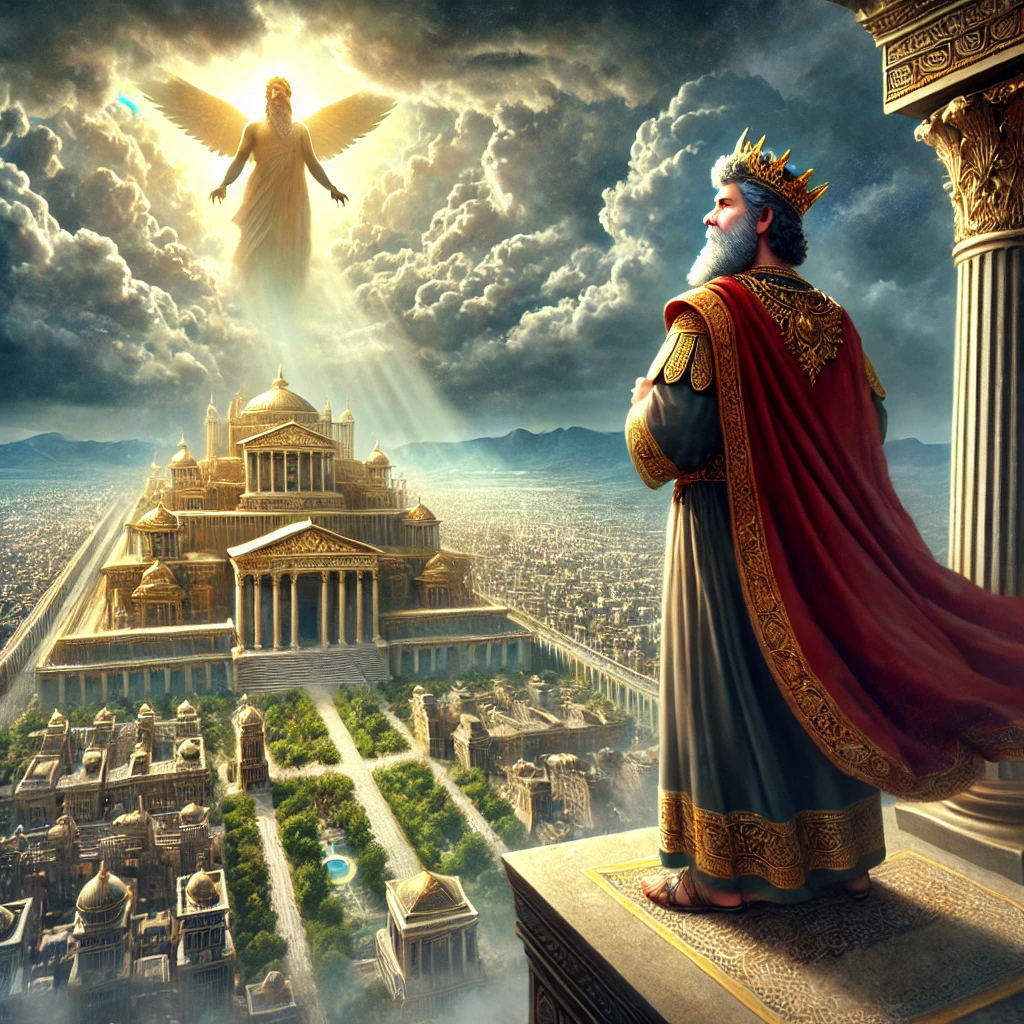
But since the Fall, people have constantly forgotten this foundational truth. King Nebuchadnezzar, one of the greatest kings in the Chaldean dynasty of Babylonia, once looked down at the city he had built with his own hands and declared: "Is not this the great Babylon I have built as the royal residence, by my mighty power and for the glory of my majesty" (Daniel 4:30, emphasis added). Like Nebuchadnezzar, we are still tempted today to work for our own glory or believe that this world is ours to do what we want with it.
But in his arrogance, King Nebuchadnezzar became struck with madness. He regained his sanity some years later, only when he raised his eyes towards heaven (Daniel 4:34). This story warns us about the dangers of self-centredness and forgetting our rightful place in this world. But it also suggests that anyone who looks at nature seriously will be led to its Creator, for the universe testifies of its Creator with language of its own (Psalm 19:1-4; Romans 1:20).
We need the book of Genesis to remind us that this world is created by God. It is "my Father's world", both personal and purposive.⁸ It is led by the will of God and each of us is of interest to Him (Psalm 139). Let us live a God-centred life that gives first and central place to God.
Picture posted by Boutique MiniqueBut since the Fall, people have constantly forgotten this foundational truth. King Nebuchadnezzar, one of the greatest kings in the Chaldean dynasty of Babylonia, once looked down at the city he had built with his own hands and declared: "Is not this the great Babylon I have built as the royal residence, by my mighty power and for the glory of my majesty" (Daniel 4:30, emphasis added). Like Nebuchadnezzar, we are still tempted today to work for our own glory or believe that this world is ours to do what we want with it.
But in his arrogance, King Nebuchadnezzar became struck with madness. He regained his sanity some years later, only when he raised his eyes towards heaven (Daniel 4:34). This story warns us about the dangers of self-centredness and forgetting our rightful place in this world. But it also suggests that anyone who looks at nature seriously will be led to its Creator, for the universe testifies of its Creator with language of its own (Psalm 19:1-4; Romans 1:20).
We need the book of Genesis to remind us that this world is created by God. It is "my Father's world", both personal and purposive.⁸ It is led by the will of God and each of us is of interest to Him (Psalm 139). Let us live a God-centred life that gives first and central place to God.
https://blogger.googleusercontent.com/img/b/R29vZ2xl/AVvXsEj6PZZ7t07HqAMZfHSs2wiLsbrZtwlMdayXfLLxhC5pN7399SswedlJuAtBG221Sh5yj9w1EHEOO_MTQeLk0p9Obp6M-M3Q3g1eu80QOiM4irAQgLqJjfjdbFgVCI8qOEgqnIzaq2Y-opK89BBJEODpQiyoHpjfg3m97LwizquCFJU8ae7G-_OPMRtzd5Y/s3072/92a1ffb12bac6e36859919b5fb4b6bee_2.png
https://i.pinimg.com/1200x/92/a1/ff/92a1ffb12bac6e36859919b5fb4b6bee.jpg

https://ar.pinterest.com/pin/26529085299443060/
What important role does Genesis 1 play in helping us understand who God is and what His purposes are?
Genesis 1 serves as a foundational theological framework by revealing God's sovereign, orderly, and personal character and establishing the world as a "Cosmic Temple" for His presence. The chapter also defines humanity's purpose as reflecting God's image and stewarding creation, while setting the pattern for redemption by showing the original good design that the Gospel seeks to restore. (From Google AI Mode)

PHOTO: Genesis 1 serves as a foundational theological framework by revealing God's sovereign, orderly, and personal character and establishing the world as a "Cosmic Temple" for His presence. The chapter also defines humanity's purpose as reflecting God's image and stewarding creation, while setting the pattern for redemption by showing the original good design that the Gospel seeks to restore. (From Google AI Mode)
Picture posted by Diogo Ribeiro
https://blogger.googleusercontent.com/img/b/R29vZ2xl/AVvXsEjaRR9IaeJ9xoKvcixmd5lSUiU9O7akqqsMGrAgMOaLUmeiqCk82G33Do25LQgi9YyD4zAAYRFlnOUq9_GyKEpuuPoNGPQkWgxL_LKN3pK_BJKnNOAXpRuEZQivrdqdxTTgFCitRK-Bkl0FQB0t-sj-7TMXfhDt03v5dT01R7j_-dHiHLYKN2D2lA7Vcng/s4608/bc97ab39fa2b169a96dbdcca05b563d9_3.png
https://i.pinimg.com/1200x/bc/97/ab/bc97ab39fa2b169a96dbdcca05b563d9.jpg

https://ar.pinterest.com/pin/304415256083738958/
Genesis 1 plays a critical role in establishing the foundational understanding of God’s character and His divine intentions. (Answer from Google AI Mode)
Key Roles of Genesis 1 in Understanding God
- The Revelation of a Personal Creator: Solomon emphasizes that God is not an impersonal force but an interpersonal, creative being. Genesis 1 introduces God as a "loving and caring Father" who chooses to involve Himself personally with His creation.

PHOTO: The Revelation of a Personal Creator: Solomon emphasizes that God is not an impersonal force but an interpersonal, creative being. Genesis 1 introduces God as a "loving and caring Father" who chooses to involve Himself personally with His creation.
Picture posted by Michael Doyle
https://blogger.googleusercontent.com/img/b/R29vZ2xl/AVvXsEhfOUNhTY5I1XbKXdvgvTLIasnqFcsGkhz0ld3hY3oes0Kg3o4HxtlIl57omeE89Ul6Xv-Rj4rDBV7jb978PL4ZviWYU1KhS-6C69K5DpJdE32b2Zs8ZguM9tI5mTn49BtG6DqpPh9RRC_20l0VvguESHcZcohCiF7ZiCoA7sLUZcMoFV_nbck1XLmeGic/s2160/682218a350371167de116e0b5b575ea7_4.png
https://i.pinimg.com/1200x/68/22/18/682218a350371167de116e0b5b575ea7.jpg

https://ar.pinterest.com/pin/388013324162985343/
- Establishment of Divine Sovereignty: The chapter establishes God as the sovereign Creator who calls all things into existence out of nothing. This reveals His absolute power and total authority over the universe.
- God as an Orderly Designer: Solomon points out that God’s process of taking "disorder and darkness" and creating "order, beauty, and goodness" shows His desire for structure and purpose. This orderly design invites humans to identify with Him, as we also seek to bring order to our environments.
Key Roles in Understanding God’s Purposes
- Humanity as the Image-Bearer: A central purpose revealed in Genesis 1 is God’s desire to share His creation with humans made in His own image. This purpose is relational; God made humans for fellowship with Himself and to reflect His character.

PHOTO: Humanity as the Image-Bearer: A central purpose revealed in Genesis 1 is God’s desire to share His creation with humans made in His own image. This purpose is relational; God made humans for fellowship with Himself and to reflect His character.
Picture posted by Maria do
https://blogger.googleusercontent.com/img/b/R29vZ2xl/AVvXsEi4BqCh4NYK0oNt9WC6_UH10x3UXr-zjRsAcCZ9swW7Jh3ptJvztoVGTua6t7tHlW8rFEfFm0HjRWYoh0Tf8PHZM99AmagvpMPuC5IeoOrmc6xjNr23dAQJehJpnzLGaZoRLpvfOXYmqFJSIJKDduAt74RelFp0HfAXSAUSNbM_7FCbq19j8giOKylYtio/s2304/f28f8fcec4e1a5d80f3f5d6374a6fcd6_3.png
https://i.pinimg.com/1200x/f2/8f/8f/f28f8fcec4e1a5d80f3f5d6374a6fcd6.jpg

https://ar.pinterest.com/pin/19210735905447683/
- The Mandate of Stewardship: God’s purpose for humanity includes a specific role: to rule as His representatives and stewards over the earth. Humans are intended to "harness this world’s potential" and care for it on God’s behalf.
- The Foundation of the Gospel Story: By showing the original "good" design of the world, Genesis 1 sets the stage for the entire biblical narrative of redemption. It helps us understand that God's ultimate purpose is the restoration of this original order and the fulfillment of His covenant promises through the Messiah.

PHOTO: The Foundation of the Gospel Story: By showing the original "good" design of the world, Genesis 1 sets the stage for the entire biblical narrative of redemption. It helps us understand that God's ultimate purpose is the restoration of this original order and the fulfillment of His covenant promises through the Messiah.
Picture posted by Islam Glow
https://blogger.googleusercontent.com/img/b/R29vZ2xl/AVvXsEg1KcvpPGMOioyBFeUTGWNwQL-rouoqApypEnMNvMgujCcgZqbCH8fhdxvDXFo56uvYy4yItwyCsCXUxxZR2X5t9kocpD6r1Y2MW8SQdLJFAifo9RLdNMvVtwK_ei4vMVDZ9QiXtNec_8ERocOXvL9qBQIfJC8FcGXwJTMN92n7BCq0Yuaub7U6pQYRBPs/s2048/2b64687bf28ffb82b1928123108b07fb_1.png
https://i.pinimg.com/1200x/2b/64/68/2b64687bf28ffb82b1928123108b07fb.jpg

https://ar.pinterest.com/pin/370913719333352149/
What important role does Genesis 1 play in helping us understand who God is and what His purposes are?
From "In The Beginning", Tracing The Gospel Story In Genesis, Chapter 1 by Robert M. Solomon, page 5-13.
Some of the greatest Christian minds have tried to understand the creation account in the first chapter of Genesis. Augustine (354-430), for instance, wrote four different books on the topic, exploring various interpretations.⁴
Since then, Christians have been exercising thought, time, and energy to argue about the nature of the "days", the sequence of creation, the age of earth, and creation versus evolution.
These ideas may be interesting to explore, but we must not miss the key point in this passage: an encounter with the God who created the universe that we live in.
We will take Augustine's suggestion here as we explore Genesis 1 as a literary device to convey key truths about God.

PHOTO: Some of the greatest Christian minds have tried to understand the creation account in the first chapter of Genesis. Augustine (354-430), for instance, wrote four different books on the topic, exploring various interpretations.⁴
Since then, Christians have been exercising thought, time, and energy to argue about the nature of the "days", the sequence of creation, the age of earth, and creation versus evolution.
Picture posted by Alamy
https://blogger.googleusercontent.com/img/b/R29vZ2xl/AVvXsEh9KblSHc-USiB0kpWzGepJEBVjxOMw3nJ9H9tfuVropOeOGlitgHO7QKH11CHZeI9iNneQnkS-v5eO8-GMU7go8pWksMhUS3HXNPqOfTLwzYpc2_G-0dWB49EhuQ36qUGzHJOSVfvf1SaxFfNBEMZGllG83zyNkbe0OWI_yG-l4BGmHBmqPAUCsW-OIXA/s1280/philippe-de-champaignes-1645-1650-painting-of-saint-augustine-captures-HKRDW4_DeWatermark_1.png
https://c8.alamy.com/comp/HKRDW4/philippe-de-champaignes-1645-1650-painting-of-saint-augustine-captures-HKRDW4.jpg
https://www.alamy.com/stock-photo-philippe-de-champaignes-1645-1650-painting-of-saint-augustine-captures-132666832.html
God Is the Creator
Genesis starts with "In the beginning God created the heavens and the earth . . . and the Spirit of God was hovering over the waters" (Genesis 1:1-2). As the first chapter lists all that God created, we see a phrase repeated nine times, "God said" (Genesis 1:3,6, 9, 11, 14, 20, 24, 26, 29). This demonstrates the reality and power of God's creative Word.
However, the beauty of this new world would not remain unsullied (untainted). In Genesis 3 (which we will cover later), the first couple whom God created disobeyed. His command not to eat the forbidden fruit from the tree of the knowledge of good and evil. Their disobedience brought about a curse that affected both the natural world and human beings. With their relationship with God tainted by sin, how could they be redeemed and brought back into relationship with Him? This brings us to God's plan of salvation through His Son Jesus.
However, the beauty of this new world would not remain unsullied (untainted). In Genesis 3 (which we will cover later), the first couple whom God created disobeyed. His command not to eat the forbidden fruit from the tree of the knowledge of good and evil. Their disobedience brought about a curse that affected both the natural world and human beings. With their relationship with God tainted by sin, how could they be redeemed and brought back into relationship with Him? This brings us to God's plan of salvation through His Son Jesus.

PHOTO: However, the beauty of this new world would not remain unsullied (untainted). In Genesis 3 (which we will cover later), the first couple whom God created disobeyed. His command not to eat the forbidden fruit from the tree of the knowledge of good and evil. Their disobedience brought about a curse that affected both the natural world and human beings. With their relationship with God tainted by sin, how could they be redeemed and brought back into relationship with Him? This brings us to God's plan of salvation through His Son Jesus.
Picture posted by soleilmirage
https://blogger.googleusercontent.com/img/b/R29vZ2xl/AVvXsEjMWa_2-Fsg7v5QuKPf620vreCGxSRU6k2w6ESpNby649x0Nq5iPv-lxsfodyeO0XxtnWaK69OviYjX_9_rBNLXKnpL5ynavXBCe3s2sm3rlwnE6HD4RVrjleMkpEebgEB8DMV8yk7PJqxSXT2BPys7m6Kh8f0IBvHwER96QeXUQgRHzHXoec-a1XPKbHo/s3200/457379725-92ddc1ee-08b1-11f1-a074-da83710d8b26_1.png
https://i.pinimg.com/1200x/ab/80/18/ab8018910ed6c45808bfc0ec93d8396f.jpg

https://ar.pinterest.com/pin/26669822787679253/
Significantly, the language that is used to introduce Genesis makes a striking reappearance at the start of all four gospels. All the four writers of the gospels begin by explaining that God was creating something new through His Son and Spirits at this point in history: Matthew's use the word "genealogy" (Matthew 1:1) is the Greek word "genesis" (the first word in the Septuagint, the Greek translation of the Hebrew Bible). Mark's gospel opens with "The beginning (genesis) of the good news about Jesus the Messiah, the Son of God" (Mark 1:1). Luke tells his story "from the beginning" (Luke 1:3). And John writes, "In the beginning was the Word, and the Word was with God, and the Word was God. He was with God in the beginning. Through him all things were made; without him nothing was made that has been made" (John 1:3).

PHOTO: Significantly, the language that is used to introduce Genesis makes a striking reappearance at the start of all four gospels. All the four writers of the gospels begin by explaining that God was creating something new through His Son and Spirits at this point in history: Matthew's use the word "genealogy" (Matthew 1:1) is the Greek word "genesis" (the first word in the Septuagint, the Greek translation of the Hebrew Bible). Mark's gospel opens with "The beginning (genesis) of the good news about Jesus the Messiah, the Son of God" (Mark 1:1). Luke tells his story "from the beginning" (Luke 1:3). And John writes, "In the beginning was the Word, and the Word was with God, and the Word was God. He was with God in the beginning. Through him all things were made; without him nothing was made that has been made" (John 1:3).
Picture posted by Adelson Gomes
https://blogger.googleusercontent.com/img/b/R29vZ2xl/AVvXsEge69S2mM_gW6P5C-FdsNgPA3LLDAg19BZKSD3g1LJOv6hb7PqGtneOD3dJ9VTEjdIXgTKL2Kki_p4zpPAg8aTQX0SXx1UwVHv8mg8zP3YYe3T8wAtzWzmobA_rrQubHvkBa9jLd4DlqrLuTL5iUtj3Rlx63LLxzWkSS-BQUq3zMTaaEkEDsy38pvJwaMg/s4608/6a403244-cbe9-44f6-bd96-9b46794e9e56_3_Enhanced.png
https://assets.playgroundai.com/6a403244-cbe9-44f6-bd96-9b46794e9e56.jpg

https://playground.com/post/adam-and-eve-entwined-in-a-moment-of-temptation-as-they-sha-cioe7hz9jfz0kp98ejav42ir3
https://veryfatoldman.blogspot.com/2024/07/reflection-nurturing-inner-life-can-you.html
https://veryfatoldman.blogspot.com/2024/08/reflection-in-church-deepening.html
https://veryfatoldman.blogspot.com/2025/05/reflection-psalm-8-why-we-have-value.html
The authors' choices are intentional, a way of demonstrating that who Jesus is has everything to do with who God is: the Word of God made flesh (John 1:14), the "firstborn over all creation" (Colossians 1:15).
While Genesis focuses on God and the Spirit, John's gospel makes clear that Christ (the Word) was present as well. These parallels suggest that the triune God was involved in both creation and the new creation. God was re-creating the fallen world through His Son and Spirit.

PHOTO: The authors' choices are intentional, a way of demonstrating that who Jesus is has everything to do with who God is: the Word of God made flesh (John 1:14), the "firstborn over all creation" (Colossians 1:15).
Picture posted by Vins Antonius s
https://blogger.googleusercontent.com/img/b/R29vZ2xl/AVvXsEjWYSsm3nDOd2dYZdO1mg1Pp97QOuuhlHQnkNjZgnuZ8vZt6FtHOyTWWxp6pRyfD9009aAtUODgGkjr-9SQzkJCZ1pwId98YP5UAsLDfF1akKqfsRCoU7hn-TFtYERS8v8tP7ENs0CbpCsyFoOhcY1tX1zO1n9ZG-ypMiPDh7N43xRSwmycsUgpbxR0KeU/s2048/ab46d9dd587ec29ab74cf27671f55a36_1.png
https://i.pinimg.com/1200x/ab/46/d9/ab46d9dd587ec29ab74cf27671f55a36.jpg

https://in.pinterest.com/pin/60235713761721586/
In the 4th century, Athanasius described the central role of Jesus in our salvation using the analogy of a painter, His painting, and the subject of the portrait. The painter (God) lovingly paints a beautiful portrait (the human being), but sadly that portrait becomes marred (by man's fall into sin). Instead of throwing away the spoiled painting, the divine Artist has the original subject (His Son, Jesus Christ), in whose image the portrait was first painted, to come and sit again so that the portrait can be redeemed by being redrawn. Thus, those who turn to Christ and keep their eyes fixed on Him (Hebrews 12:2) will become like Him through the power of the Holy Spirit (2 Corinthians 3:18), thus becoming like God and having the image of God within fully restored by God's grace and power. This is the collective work of the triune God.
The new creation will culminate in a new earth and new heaven, as John writes, "'Then I saw 'a new heaven and a new earth,' for the first heaven and the first earth had passed away" (Revelation 21:1). The bookends of the Bible (Genesis and Revelation), therefore, describe that God is the Creator in the beginning and in the end. The beginning is already "pregnant with the end" in the presence of God who is the First and the Last, the Alpha and Omega (Isaiah 48:12; Revelation 1:8).

PHOTO: The new creation will culminate in a new earth and new heaven, as John writes, "'Then I saw 'a new heaven and a new earth,' for the first heaven and the first earth had passed away" (Revelation 21:1). The bookends of the Bible (Genesis and Revelation), therefore, describe that God is the Creator in the beginning and in the end. The beginning is already "pregnant with the end" in the presence of God who is the First and the Last, the Alpha and Omega (Isaiah 48:12; Revelation 1:8).
Picture posted by Vô Pereira
https://blogger.googleusercontent.com/img/b/R29vZ2xl/AVvXsEhdgYtSzhGHc0utAMJNmceIc_-fGTq9X3fkT1p1rgNYLeM6brBVPsVopf_Vbw-7DCgDEydsT3UKx7uSmOWI7rfE2PHILVczsLvvrojY-JrsRWpdT5Ehi-cMf534CqJA1FA-lpohhiWRdNrWrGarFutMqhrSVbSS62inOZPdyYBBWyv6XUhiYTMYcI-hdD0/s2560/301389400086728731_Enhanced.png
301389400086728731.jpg
https://in.pinterest.com/pin/301389400086728731/
As such, the truth of God as Creator stands against all contrary ideas and ideologies. As Old Testament scholar Derek Kidner explains, "The creation story has stood as a bulwark (a defensive wall) against a succession of fashionable errors - polytheism, dualism, the eternity of matter, astrology - and not least, against every tendency to empty human history of meaning.⁵ It resists this nihilism explicitly, in displaying man as God's image and regent; but also implicitly, in presenting the tremendous acts of creation as a mere curtain-raiser to the drama that slowly unfolds throughout the length of the Bible."⁶
It is significant for us that God is our Creator. He personally made each of us (Psalm 139). The creative acts in the words "formed" and "breathed" (Genesis 2:7) speak of our nature that is connected with God and matter; we are embodied beings, comprising earthly dust and divine breath. We also belong to Him - twice. The first time because He made us, and the second time because He bought us back from sin "at a price" (1 Corinthians 7:23). When we become a "new creation" in Christ (2 Corinthians 5:17), He continually remakes us in His "likeness" and "image" (Genesis 1:26-27) to restore our sin-tarnished image through His Son, who is the perfect image of God the Father (Colossians 1:15; Hebrews 1:3).

PHOTO: It is significant for us that God is our Creator. He personally made each of us (Psalm 139). The creative acts in the words "formed" and "breathed" (Genesis 2:7) speak of our nature that is connected with God and matter; we are embodied beings, comprising earthly dust and divine breath. We also belong to Him - twice. The first time because He made us, and the second time because He bought us back from sin "at a price" (1 Corinthians 7:23). When we become a "new creation" in Christ (2 Corinthians 5:17), He continually remakes us in His "likeness" and "image" (Genesis 1:26-27) to restore our sin-tarnished image through His Son, who is the perfect image of God the Father (Colossians 1:15; Hebrews 1:3).
Picture posted by Rajkumar (Isaac raju)
https://blogger.googleusercontent.com/img/b/R29vZ2xl/AVvXsEgUOCx8ihdM9_HyawJIrfQLOrbF-Ttgoyee-mddHIevLqYk8naHsGHDg-YRQqjVrdIkrO9ZLtybG14YztyzkutdThKy3Lpq_uS2CfHGz0p7aVqJOiMHdwN0cMKJQ19uUqN1eDKQw00HP_hddVmenrf8xhJx6uo4Mku4-PJdUtcQj6-fzgMx3WPtQN0P-YI/s2560/191543790398496670_x2_1.png
191543790398496670.jpg
https://in.pinterest.com/pin/191543790398496670/
God's Grace
In our secular world, we count our days from daybreak to night. We wake up, work, and then rest for the night - a well-earned rest. The Bible views it differently: "There was evening and there was morning - the nth day" (six times - Genesis 1:5, 8, 13, 19, 23, 31). A day begins at sunset and lasts till the next sunset. This is a biblical way of reckoning a day and how the Sabbath was observed (see Leviticus 23:32).⁷ The significance of this? The day begins with our rest.
We are shown a picture of what this rhythm looks like when God commanded Adam and Eve to be fruitful and to rule over the animal world (Genesis 1:28). While they rested, God was at work. The couple would have then woken every morning to see that the world had continued to flourish - all without their effort. They would thus begin their day not by initiating or striving, but by participating in the work of subduing and ruling the earth that God had already started. In this way, the first human couple were involved in the work of pro-creation (raising and caring for a new generation) and co-creation (taking care of the earth and the world). The restfulness and joy of this partnership is a privilege that is made possible by God, first and foremost, being at work in our world and in our lives.
We are shown a picture of what this rhythm looks like when God commanded Adam and Eve to be fruitful and to rule over the animal world (Genesis 1:28). While they rested, God was at work. The couple would have then woken every morning to see that the world had continued to flourish - all without their effort. They would thus begin their day not by initiating or striving, but by participating in the work of subduing and ruling the earth that God had already started. In this way, the first human couple were involved in the work of pro-creation (raising and caring for a new generation) and co-creation (taking care of the earth and the world). The restfulness and joy of this partnership is a privilege that is made possible by God, first and foremost, being at work in our world and in our lives.

PHOTO: We are shown a picture of what this rhythm looks like when God commanded Adam and Eve to be fruitful and to rule over the animal world (Genesis 1:28). While they rested, God was at work. The couple would have then woken every morning to see that the world had continued to flourish - all without their effort. They would thus begin their day not by initiating or striving, but by participating in the work of subduing and ruling the earth that God had already started. In this way, the first human couple were involved in the work of pro-creation (raising and caring for a new generation) and co-creation (taking care of the earth and the world). The restfulness and joy of this partnership is a privilege that is made possible by God, first and foremost, being at work in our world and in our lives.
Picture posted by Mik Full
https://blogger.googleusercontent.com/img/b/R29vZ2xl/AVvXsEiyZ7vfiOC6HVfW_neDNti0SG-kJvvdpdq3m_lnF7BSFGyQcLpZlcuDOb81cjnYfERUlrHGGuTUYuMSlCzLCZuiZdRAq6kCrBDC6U4Fky7oPtwMPL7K-o2OQzszvphmkKzmpzSO3cAU4gYuKG2FTQDA4UwAs1I-_4DT__NMPmKxRn6-936o5nJkFTUNQ1A/s2304/giant%20papaya's%20warm%20hug_4_Enhanced_1.png
giant papaya's warm hug.jpg
https://in.pinterest.com/pin/198369558582937323/
The biblical truth is applied to our salvation by Paul, "For it is by grace you have been saved, through faith - and this is not from yourselves, it is the gift of God - not by works, so that no one can boast. For we are God's handiwork, created in Christ Jesus to do good works, which God prepared in advance for us to do" (Ephesians 2:8-10). This is a beautiful picture of divine grace, a truth re-discovered in the 16th century by the reformers such as Martin Luther and John Calvin.
We tend to live harassed, helpless lives, like sheep without a shepherd in this high-speed, lost world of illusions. Jesus ministered to people like this and continues to do so. There is a place for us to recognise our God-given space in this world, and to discover silence and stillness in God's world so that we can live simply and with service.

PHOTO: We tend to live harassed, helpless lives, like sheep without a shepherd in this high-speed, lost world of illusions. Jesus ministered to people like this and continues to do so. There is a place for us to recognise our God-given space in this world, and to discover silence and stillness in God's world so that we can live simply and with service.
Picture posted by ❦𝑆𝑎𝑙𝑣𝑎𝑑𝑜𝑟 𝑀𝑜𝑛𝑡𝑜𝑦𝑎❦
https://blogger.googleusercontent.com/img/b/R29vZ2xl/AVvXsEjOTXIBKZbNoIciQhi9BO6qklTqBEnq2r1n6AMGB0heLGIeM7Ew_36m28fTST2nI4TNt__qvYbhDaCu_wIA-JK7_qzovqlhGsl5OKO3UV_qIdZv-3quAK4nHRzaPUCJ6UnHmJ2rdz3B7-xoz9PEbo2Dib4Fh4oNKriFM94_oArf-oCo4riiXBM8UXT56J8/s3072/111675265756461060_x3.png
111675265756461060.jpg
https://in.pinterest.com/pin/111675265756461060/
God's Blessings
Another repeated concept in the text is the act of God blessing the various life forms He has created. He blessed the creatures of the sea and air (Genesis 1:22), the first human beings (Genesis 1:28), and the seventh day (Genesis 2:3).
As Creator and Saviour, God wants to bless us. In the New Testament, we are taught by Jesus what true blessings are. In the Beatitudes (blessedness), Jesus lays out eight godly characteristics that represent true blessedness. In Luke's account of the same (Luke 6:20-26), we see the blessings on the poor, hungry, weeping, and persecuted; and curses on the rich, well-fed, merry, and popular. True blessedness is to be understood in a spiritual, not a worldly sense.
As Creator and Saviour, God wants to bless us. In the New Testament, we are taught by Jesus what true blessings are. In the Beatitudes (blessedness), Jesus lays out eight godly characteristics that represent true blessedness. In Luke's account of the same (Luke 6:20-26), we see the blessings on the poor, hungry, weeping, and persecuted; and curses on the rich, well-fed, merry, and popular. True blessedness is to be understood in a spiritual, not a worldly sense.

PHOTO: As Creator and Saviour, God wants to bless us. In the New Testament, we are taught by Jesus what true blessings are. In the Beatitudes (blessedness), Jesus lays out eight godly characteristics that represent true blessedness. In Luke's account of the same (Luke 6:20-26), we see the blessings on the poor, hungry, weeping, and persecuted; and curses on the rich, well-fed, merry, and popular. True blessedness is to be understood in a spiritual, not a worldly sense.
Picture posted by doğa güzelliği
Picture posted by Donna McKaig
https://blogger.googleusercontent.com/img/b/R29vZ2xl/AVvXsEheb5Cz1k3M0rYpnnzXcXLfOOAPApaWRqrd0hzYEKM2dP300s5kA4wit4pBxMDS-u5ogZj8N5RGwf7E721MdD3kWSyTF7wE_SrKHEUpBMmTyd7swrBxMBSX5yx6ninTiLXCJmYaaIkX_Md97jrg0esmaX0Ys1s4zk9lvPiyZ7gZlV4nxYhYgdoo-RqIPUE/s2576/9521eee6f49c42fe838cd1acd92ea4bd_Enhanced.png
https://i.pinimg.com/1200x/95/21/ee/9521eee6f49c42fe838cd1acd92ea4bd.jpg
https://in.pinterest.com/pin/241716704994421958/
Paul would later tell us that every spiritual blessing is in Christ (Ephesians 1:3). As Christians, we can read Genesis 1 and discern that we are urged to seek Christ and all the blessings that are kept for us in God, right from the beginning of Scripture.
https://i.pinimg.com/1200x/95/21/ee/9521eee6f49c42fe838cd1acd92ea4bd.jpg

https://in.pinterest.com/pin/241716704994421958/
Paul would later tell us that every spiritual blessing is in Christ (Ephesians 1:3). As Christians, we can read Genesis 1 and discern that we are urged to seek Christ and all the blessings that are kept for us in God, right from the beginning of Scripture.

PHOTO: Paul would later tell us that every spiritual blessing is in Christ (Ephesians 1:3). As Christians, we can read Genesis 1 and discern that we are urged to seek Christ and all the blessings that are kept for us in God, right from the beginning of Scripture.
Picture posted by Jana Švajková
https://blogger.googleusercontent.com/img/b/R29vZ2xl/AVvXsEh6-cIORWGErWwK818r9At6CaTRMogbQASE8qD-qnUrasTtRVHsf0ueu33ORwTxKCkH36d0cwfX32o_VWMpD-ngmftoEtKuaHLJKPyVOHP0EEMu-4J7tNYz5-Vah8hF8I6OwzaS11eWqKUZ4WE7hYgafqJWAbhngeqwuN-9Z7nnPBxYvIO9RjbcLrCAXcM/s2208/950e4fe2eb11953fb0580d332d48e113_11.png
https://i.pinimg.com/1200x/95/0e/4f/950e4fe2eb11953fb0580d332d48e113.jpg
https://www.pinterest.com/pin/84583299249214796/
https://i.pinimg.com/1200x/95/0e/4f/950e4fe2eb11953fb0580d332d48e113.jpg

https://www.pinterest.com/pin/84583299249214796/
The Most Important Person in Genesis 1
The most frequent word in the passage is "God" (34 times). It is a deeply God-centred and God-focused passage, reminding us that God is the Creator of this universe and all in it, including ourselves.
But since the Fall, people have constantly forgotten this foundational truth. King Nebuchadnezzar, one of the greatest kings in the Chaldean dynasty of Babylonia, once looked down at the city he had built with his own hands and declared: "Is not this the great Babylon I have built as the royal residence, by my mighty power and for the glory of my majesty" (Daniel 4:30, emphasis added). Like Nebuchadnezzar, we are still tempted today to work for our own glory or believe that this world is ours to do what we want with it.
But since the Fall, people have constantly forgotten this foundational truth. King Nebuchadnezzar, one of the greatest kings in the Chaldean dynasty of Babylonia, once looked down at the city he had built with his own hands and declared: "Is not this the great Babylon I have built as the royal residence, by my mighty power and for the glory of my majesty" (Daniel 4:30, emphasis added). Like Nebuchadnezzar, we are still tempted today to work for our own glory or believe that this world is ours to do what we want with it.

PHOTO: But since the Fall, people have constantly forgotten this foundational truth. King Nebuchadnezzar, one of the greatest kings in the Chaldean dynasty of Babylonia, once looked down at the city he had built with his own hands and declared: "Is not this the great Babylon I have built as the royal residence, by my mighty power and for the glory of my majesty" (Daniel 4:30, emphasis added). Like Nebuchadnezzar, we are still tempted today to work for our own glory or believe that this world is ours to do what we want with it.
Picture posted by Robert Eubanks
https://blogger.googleusercontent.com/img/b/R29vZ2xl/AVvXsEgeCl4gVAkhNXUhw17Cr8E_suHJtTu0wMk2eADW5S1pgOuHP-m2_V1wSKBgvDUmsczZall9buu4JfevAD7ByrF670oMdEXGW1u3fQhZ03IM7LHssHrfCHXGuKTETrPe42AFY-D4OAqWVv-OjkioNY0AMQbC2ZzfAYrdqXoNfLK8VZXr-Oyun5rrigoHmW8/s2048/King-Nebuchadnezzar-prideful_Enhanced.png
https://jesus-from-the-mount.com/wp-content/uploads/2025/03/King-Nebuchadnezzar-prideful.webp
https://jesus-from-the-mount.com/king-nebuchadnezzar-bible-story/
But in his arrogance, King Nebuchadnezzar became struck with madness. He regained his sanity some years later, only when he raised his eyes towards heaven (Daniel 4:34). This story warns us about the dangers of self-centredness and forgetting our rightful place in this world. But it also suggests that anyone who looks at nature seriously will be led to its Creator, for the universe testifies of its Creator with language of its own (Psalm 19:1-4; Romans 1:20).
We need the book of Genesis to remind us that this world is created by God. It is "my Father's world", both personal and purposive.⁸ It is led by the will of God and each of us is of interest to Him (Psalm 139). Let us live a God-centred life that gives first and central place to God.

PHOTO: But in his arrogance, King Nebuchadnezzar became struck with madness. He regained his sanity some years later, only when he raised his eyes towards heaven (Daniel 4:34). This story warns us about the dangers of self-centredness and forgetting our rightful place in this world. But it also suggests that anyone who looks at nature seriously will be led to its Creator, for the universe testifies of its Creator with language of its own (Psalm 19:1-4; Romans 1:20).
Picture posted by Robert Eubanks
https://blogger.googleusercontent.com/img/b/R29vZ2xl/AVvXsEiPOGc1uY5XyeuquJ4NIdwVkjwQLmRKn3uCkQXfchwswdt6051reJb9eQ_mHRa-5CkNeJQQWRU-k6_rCLKO7VFsHXfiStKcZTZlEqV1XuyeXLwid5WzurqP3xo7_SIjSctjUBT-3Chn7yfTYmUNFQLPDpMTN_iNLyJMUWI5V5wkYcSH-9e89ALZYhb0phQ/s2048/King-Nebuchadnezzar-humbled_Enhanced.png
https://jesus-from-the-mount.com/wp-content/uploads/2025/03/King-Nebuchadnezzar-humbled.webp

https://jesus-from-the-mount.com/king-nebuchadnezzar-bible-story/

PHOTO: "Dear Lord, we pray that the book of Genesis remind us that this world is created by God. It is 'my Father's world', both personal and purposive.⁸ It is led by the will of God and each of us is of interest to Him. May we live a God-centred life that gives first and central place to God.
Through Lord Jesus Christ we pray. Amen."
Picture posted by Jacksonfamilyof
https://blogger.googleusercontent.com/img/b/R29vZ2xl/AVvXsEgomINNEGixd4e7NlrV5ciKWr9-rnH6iAf3tabxzVgluw7U9MYQjPVfMwr8vs6U6mW9KE4-kTZ_2RKi-lD8FO3wTucIM6ojUJ-KhQ-gRLhV8YoxgEIa8IoGNWZ8WGmowpkTGnueFOJ52PB58oQu3xgPbsWRSvYhyphenhyphen3bC_1ljL4ylzPOogsfQM2Hucy4aHFQ/s3072/e5404066fcaf255b2160a71460b20f55_8.png
https://i.pinimg.com/1200x/e5/40/40/e5404066fcaf255b2160a71460b20f55.jpg

https://ar.pinterest.com/pin/823525481906813446/
Reflection - Important role Genesis 1 play in helping us understand who God is and what His purposes are
Source (book): "In The Beginning", Tracing The Gospel Story In Genesis, Chapter 1, Question 1, "Who God is and what His purposes are", Page 5.
By Robert M. Solomon, Bishop of the Methodist Church in Singapore from 2000 - 2012
Footnotes
⁴ Having suggested an allegorical interpretation in his work On Genesis against the Manichaeans (389 A.D.), and having made a unsatisfactory attempt at a literal interpretation in his Letter of Genesis, Unfinished Book, written in 393 A.D. (and published with some revisions only in 426 as a useful indicator of his early efforts), Augustine later expressed his opinions at greater length in his fresh undertaking, The Letter of Genesis (401-415 A.D.), and summarised them with some modification in The City of God (413-427 A.D.).
⁵ Derek Kidner: Genesis: An Introduction and Commentary (London: Tyndale P., 1967, 43
⁶ Derek Kidner, Genesis, 57.
⁵ Derek Kidner: Genesis: An Introduction and Commentary (London: Tyndale P., 1967, 43
⁶ Derek Kidner, Genesis, 57.
⁷ See Barnes Notes, Genesis 1:5, https://biblehub.com/commentaries/barnes/genesis/1.htm.
For a discussion on the debate whether the biblical day begins in the evening or the morning, see J. Amanda McGuire, "Evening or Morning: When Does the Biblical Day Begin", Andreu's University Seminary Studies, Vol. 46, No 2, 201-214. The traditional position in Judaism and Christianity is that the day begins in the evening, See also H. R. Stroes, "Does the Day Begin in the Evening or Morning? Some Biblical Observations", Vetus Testamentum (will) 16 (1966), 460-475.
⁸ See Lawrence O. Richards, The Teacher's Commentary (Wheaton, ILL: Victor Books, 1987), 19.
⁸ See Lawrence O. Richards, The Teacher's Commentary (Wheaton, ILL: Victor Books, 1987), 19.
"Faithful to the end", A Preacher's Exposition of 2 Timothy, @ 2014 by Robert M. Solomon

Reflection - Faithful to the end (Links)
https://veryfatoldman.blogspot.com/2017/06/reflection-faithful-to-end-links.html
"Finding rest for the soul" Responding to Jesus' Invitation in Matthew 11:28-29, © 2016 by Robert M. Solomon
Reflection - Finding rest for the soul (Links)
https://veryfatoldman.blogspot.com/2018/10/reflection-finding-rest-for-soul-links.html
"God in Pursuit" Lessons from the Book of Jonah, © 2016 by Robert M. Solomon
Reflection - God in Pursuit (Links) - PART I-III, posted on Saturday, 10 August 2019
https://veryfatoldman.blogspot.com/2019/08/reflection-god-in-pursuit-links-part-i.html
"God in Pursuit" Lessons from the Book of Jonah, © 2016 by Robert M. Solomon
Reflection - God in Pursuit (Links) - PART IV, posted on Saturday, 10 August 2019
https://veryfatoldman.blogspot.com/2019/08/reflection-god-in-pursuit-links-part-iv.html
"Songs of Christmas", The Stories and Significance of 20 Well-Loved Carols, © 2018 by Robert M. Solomon

Reflection - Songs of Christmas (Links), posted on Friday, 24 April 2020
https://veryfatoldman.blogspot.com/2020/04/reflection-songs-of-christmas-links.html
Reflection - Faithful to the end (Links)
https://veryfatoldman.blogspot.com/2017/06/reflection-faithful-to-end-links.html
"Finding rest for the soul" Responding to Jesus' Invitation in Matthew 11:28-29, © 2016 by Robert M. Solomon
Reflection - Finding rest for the soul (Links)
https://veryfatoldman.blogspot.com/2018/10/reflection-finding-rest-for-soul-links.html
"God in Pursuit" Lessons from the Book of Jonah, © 2016 by Robert M. Solomon
Reflection - God in Pursuit (Links) - PART I-III, posted on Saturday, 10 August 2019
https://veryfatoldman.blogspot.com/2019/08/reflection-god-in-pursuit-links-part-i.html
"God in Pursuit" Lessons from the Book of Jonah, © 2016 by Robert M. Solomon
Reflection - God in Pursuit (Links) - PART IV, posted on Saturday, 10 August 2019
https://veryfatoldman.blogspot.com/2019/08/reflection-god-in-pursuit-links-part-iv.html
"Songs of Christmas", The Stories and Significance of 20 Well-Loved Carols, © 2018 by Robert M. Solomon
Reflection - Songs of Christmas (Links), posted on Friday, 24 April 2020
https://veryfatoldman.blogspot.com/2020/04/reflection-songs-of-christmas-links.html
"Growing Old Gracefully", Following Jesus to the End, © 2019 by Robert M. Solomon

Reflection - Growing Old Gracefully, Part I - III (Links), posted on Wednesday, 09 December 2020
https://veryfatoldman.blogspot.com/2020/12/reflection-growing-old-gracefully-part.html

Reflection - Growing Old Gracefully, Part IV - V (Links), posted on Thursday, 22 April 2021
https://veryfatoldman.blogspot.com/2020/12/reflection-growing-old-gracefully-part_9.html
"Teach Us to Number Our Days", © 2008 by David Roper

Reflection - Number Our Days, Chapter 1 - 40 (Links), posted on Tuesday, 16 November 2021
https://veryfatoldman.blogspot.com/2021/11/reflection-number-our-days-chapter-1-40.html
"Teach Us to Number Our Days", © 2008 by David Roper
Reflection - Number Our Days, Chapter 41 - 64 (Links), posted on Wednesday, 16 March 2022
https://veryfatoldman.blogspot.com/2022/03/reflection-number-our-days-chapter-41.html
"He Walks with Me - Devotions for Your Caregiving Journey with God", © 2018 by Our Daily Bread Ministries, Shelly Beach
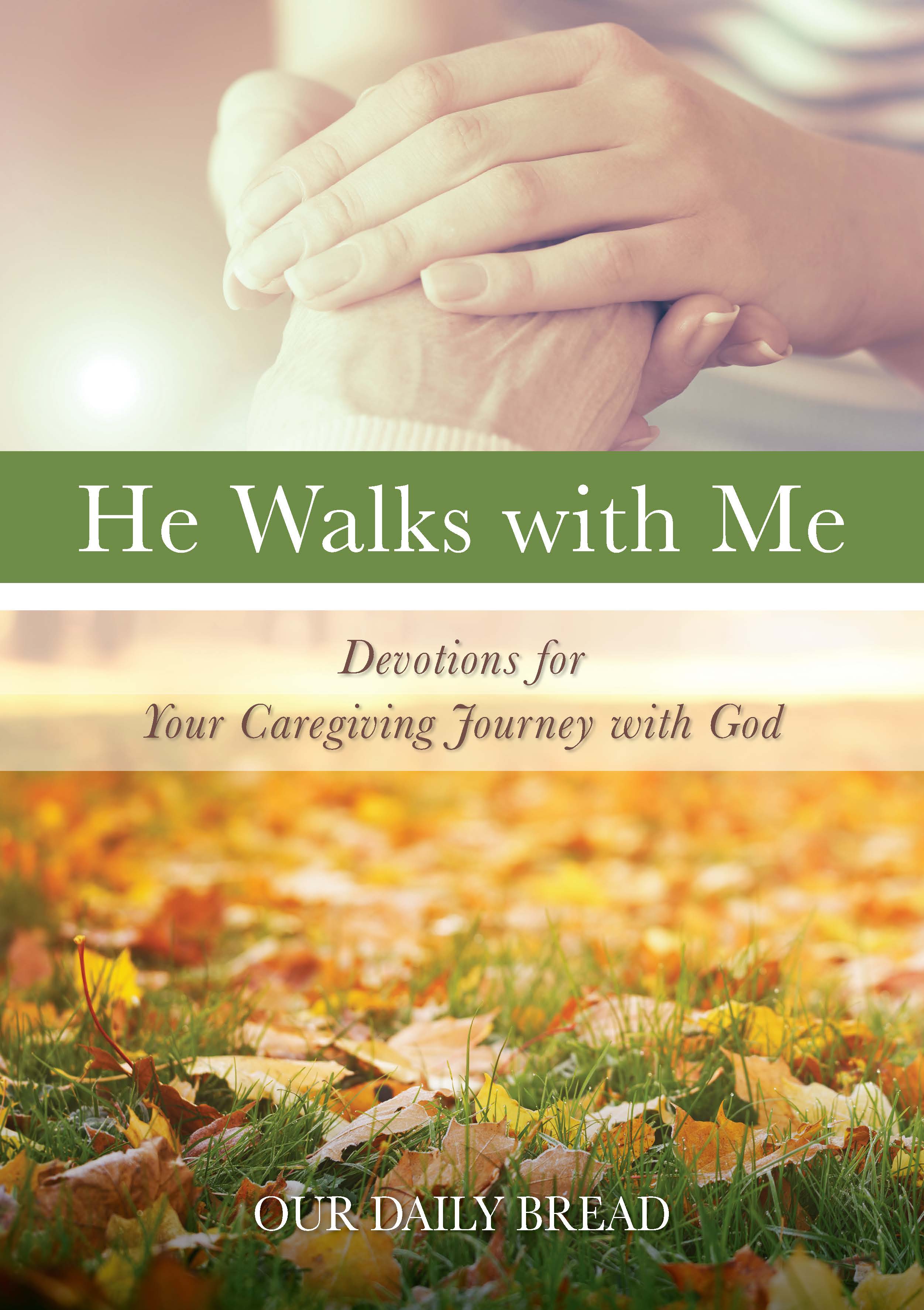 Reflection - He Walks with Me (Links), posted on Tuesday, 16 August 2022
https://veryfatoldman.blogspot.com/2022/08/reflection-he-walks-with-me-links.html
Reflection - He Walks with Me (Links), posted on Tuesday, 16 August 2022https://veryfatoldman.blogspot.com/2022/08/reflection-he-walks-with-me-links.html
"Classic Gem: Timeless Devotions from Our Daily Bread Authors", Copyright © 2021 by Our Daily Bread Ministries

Reflection - Classic Gem, Chapter 1 - 45 (Links), posted on 03 April 2023
https://veryfatoldman.blogspot.com/2023/04/reflection-classic-gem-chapter-1-45.html
"Classic Gem: Timeless Devotions from Our Daily Bread Authors", Copyright © 2021 by Our Daily Bread Ministries
Reflection - Classic Gem, Chapter 46 - 90 (Links), posted on Tuesday, 24 October 2023
https://veryfatoldman.blogspot.com/2023/10/reflection-classic-gem-chapter-46-90.html
"Making All Things New", 52 Reflections to Challenge the Way You Live, Copyright @ 2022 by Robert M. Solomon

Reflection - Making All Things New, Chapter 1 - 28 (Links), posted on Saturday, 04 August 2024
https://veryfatoldman.blogspot.com/2024/08/reflection-making-all-things-new.html
"Making All Things New", 52 Reflections to Challenge the Way You Live, Copyright @ 2022 by Robert M. Solomon
Reflection - Making All Things New, Chapter 29 - 52 (Links), posted on Saturday, 15 March 2025
https://veryfatoldman.blogspot.com/2025/03/reflection-making-all-things-new.html

Reflection - My Soul Thirsts For God, Verse 1 - 46 (Links) on Monday, 25 August 2025
https://veryfatoldman.blogspot.com/2025/08/reflection-my-soul-thirsts-for-god.html
Reflection - My Soul Thirsts For God, Verse 47 - 92 (Links) on Tuesday, 27 January 2026
https://veryfatoldman.blogspot.com/2026/01/reflection-my-soul-thirsts-for-god.html
Reference
[1] From "In The Beginning", Tracing The Gospel Story In Genesis, Copyright @ 2009 by Robert M. Solomon, Chapter 1, Question 1, "Who God is and what His purposes are", Page 5.
Links
New International Version (NIV), Holy Bible, New International Version®, NIV® Copyright ©1973, 1978, 1984, 2011 by Biblica, Inc.® Used by permission. All rights reserved worldwide.
1 Corinthians 7:23 - https://www.biblegateway.com/passage/?search=1%20Corinthians%207%3A23&version=NIV
2 Corinthians 3:18 - https://www.biblegateway.com/passage/?search=2%20Corinthians%203%3A18&version=NIV
2 Corinthians 5:17 - https://www.biblegateway.com/passage/?search=2%20Corinthians%205%3A17&version=NIV
Colossians 1:15 - https://www.biblegateway.com/passage/?search=Colossians%201%3A15&version=NIV
Colossians 1:15; Hebrews 1:3 - https://www.biblegateway.com/passage/?search=Colossians%201%3A15%3B%20Hebrews%201%3A3&version=NIV
Daniel 4:30 - https://www.biblegateway.com/passage/?search=Daniel%204%3A30&version=NIV
Daniel 4:34 - https://www.biblegateway.com/passage/?search=Daniel%204%3A34%29&version=NIV
Ephesians 1:3 - https://www.biblegateway.com/passage/?search=Ephesians%201%3A3&version=NIV
Ephesians 2:8-10 - https://www.biblegateway.com/passage/?search=Ephesians%202%3A8-10&version=NIV
Genesis 1:1-2 - https://www.biblegateway.com/passage/?search=Genesis%201%3A1-2&version=NIV
Genesis 1:3,6, 9, 11, 14, 20, 24, 26, 29 - https://www.biblegateway.com/passage/?search=Genesis%201%3A3%2C6%2C%209%2C%2011%2C%2014%2C%2020%2C%2024%2C%2026%2C%2029&version=NIV
Genesis 1:5, 8, 13, 19, 23, 31 - https://www.biblegateway.com/passage/?search=Genesis%201%3A5%2C%208%2C%2013%2C%2019%2C%2023%2C%2031&version=NIV
Genesis 1:22 - https://www.biblegateway.com/passage/?search=Genesis%201%3A22&version=NIV
Genesis 1:26-27 - https://www.biblegateway.com/passage/?search=Genesis%201%3A26-27&version=NIV
Genesis 1:28 - https://www.biblegateway.com/passage/?search=Genesis%201%3A28&version=NIV
Genesis 2:3 - https://www.biblegateway.com/passage/?search=Genesis%202%3A3&version=NIV
Genesis 2:7 - https://www.biblegateway.com/passage/?search=Genesis%202%3A7&version=NIV
Hebrews 12:2 - https://www.biblegateway.com/passage/?search=Hebrews%2012%3A2&version=NIV
Isaiah 48:12; Revelation 1:8 - https://www.biblegateway.com/passage/?search=Isaiah%2048%3A12%3B%20Revelation%201%3A8&version=NIV
John 1:3 - https://www.biblegateway.com/passage/?search=John%201%3A3&version=NIV
John 1:14 - https://www.biblegateway.com/passage/?search=John%201%3A14&version=NIV
Leviticus 23:32 - https://www.biblegateway.com/passage/?search=Leviticus%2023%3A32&version=NIV
Luke 1:3 - https://www.biblegateway.com/passage/?search=Luke%201%3A3&version=NIV
Luke 6:20-26 - https://www.biblegateway.com/passage/?search=Luke%206%3A20-26&version=NIV
Mark 1:1 - https://www.biblegateway.com/passage/?search=Mark%201%3A1&version=NIV
Matthew 1:1 - https://www.biblegateway.com/passage/?search=%20Matthew%201%3A1&version=NIV
Matthew 11:28-29 - https://www.biblegateway.com/passage/?search=Matthew+11%3A28-29&version=NIV
Psalm 19:1-4; Romans 1:20 - https://www.biblegateway.com/passage/?search=Psalm%2019%3A1-4%3B%20Romans%201%3A20&version=NIV
Psalm 139 - https://www.biblegateway.com/passage/?search=Psalm%20139&version=NIV
Revelation 21:1 - https://www.biblegateway.com/passage/?search=Revelation%2021%3A1&version=NIV
2 Corinthians 3:18 - https://www.biblegateway.com/passage/?search=2%20Corinthians%203%3A18&version=NIV
2 Corinthians 5:17 - https://www.biblegateway.com/passage/?search=2%20Corinthians%205%3A17&version=NIV
Colossians 1:15 - https://www.biblegateway.com/passage/?search=Colossians%201%3A15&version=NIV
Colossians 1:15; Hebrews 1:3 - https://www.biblegateway.com/passage/?search=Colossians%201%3A15%3B%20Hebrews%201%3A3&version=NIV
Daniel 4:30 - https://www.biblegateway.com/passage/?search=Daniel%204%3A30&version=NIV
Daniel 4:34 - https://www.biblegateway.com/passage/?search=Daniel%204%3A34%29&version=NIV
Ephesians 1:3 - https://www.biblegateway.com/passage/?search=Ephesians%201%3A3&version=NIV
Ephesians 2:8-10 - https://www.biblegateway.com/passage/?search=Ephesians%202%3A8-10&version=NIV
Genesis 1:1-2 - https://www.biblegateway.com/passage/?search=Genesis%201%3A1-2&version=NIV
Genesis 1:3,6, 9, 11, 14, 20, 24, 26, 29 - https://www.biblegateway.com/passage/?search=Genesis%201%3A3%2C6%2C%209%2C%2011%2C%2014%2C%2020%2C%2024%2C%2026%2C%2029&version=NIV
Genesis 1:5, 8, 13, 19, 23, 31 - https://www.biblegateway.com/passage/?search=Genesis%201%3A5%2C%208%2C%2013%2C%2019%2C%2023%2C%2031&version=NIV
Genesis 1:22 - https://www.biblegateway.com/passage/?search=Genesis%201%3A22&version=NIV
Genesis 1:26-27 - https://www.biblegateway.com/passage/?search=Genesis%201%3A26-27&version=NIV
Genesis 1:28 - https://www.biblegateway.com/passage/?search=Genesis%201%3A28&version=NIV
Genesis 2:3 - https://www.biblegateway.com/passage/?search=Genesis%202%3A3&version=NIV
Genesis 2:7 - https://www.biblegateway.com/passage/?search=Genesis%202%3A7&version=NIV
Hebrews 12:2 - https://www.biblegateway.com/passage/?search=Hebrews%2012%3A2&version=NIV
Isaiah 48:12; Revelation 1:8 - https://www.biblegateway.com/passage/?search=Isaiah%2048%3A12%3B%20Revelation%201%3A8&version=NIV
John 1:3 - https://www.biblegateway.com/passage/?search=John%201%3A3&version=NIV
John 1:14 - https://www.biblegateway.com/passage/?search=John%201%3A14&version=NIV
Leviticus 23:32 - https://www.biblegateway.com/passage/?search=Leviticus%2023%3A32&version=NIV
Luke 1:3 - https://www.biblegateway.com/passage/?search=Luke%201%3A3&version=NIV
Luke 6:20-26 - https://www.biblegateway.com/passage/?search=Luke%206%3A20-26&version=NIV
Mark 1:1 - https://www.biblegateway.com/passage/?search=Mark%201%3A1&version=NIV
Matthew 1:1 - https://www.biblegateway.com/passage/?search=%20Matthew%201%3A1&version=NIV
Matthew 11:28-29 - https://www.biblegateway.com/passage/?search=Matthew+11%3A28-29&version=NIV
Psalm 19:1-4; Romans 1:20 - https://www.biblegateway.com/passage/?search=Psalm%2019%3A1-4%3B%20Romans%201%3A20&version=NIV
Psalm 139 - https://www.biblegateway.com/passage/?search=Psalm%20139&version=NIV
Revelation 21:1 - https://www.biblegateway.com/passage/?search=Revelation%2021%3A1&version=NIV
- https://blogger.googleusercontent.com/img/b/R29vZ2xl/AVvXsEj6PZZ7t07HqAMZfHSs2wiLsbrZtwlMdayXfLLxhC5pN7399SswedlJuAtBG221Sh5yj9w1EHEOO_MTQeLk0p9Obp6M-M3Q3g1eu80QOiM4irAQgLqJjfjdbFgVCI8qOEgqnIzaq2Y-opK89BBJEODpQiyoHpjfg3m97LwizquCFJU8ae7G-_OPMRtzd5Y/s3072/92a1ffb12bac6e36859919b5fb4b6bee_2.png
- https://i.pinimg.com/1200x/92/a1/ff/92a1ffb12bac6e36859919b5fb4b6bee.jpg
- https://ar.pinterest.com/pin/26529085299443060/
- https://blogger.googleusercontent.com/img/b/R29vZ2xl/AVvXsEjaRR9IaeJ9xoKvcixmd5lSUiU9O7akqqsMGrAgMOaLUmeiqCk82G33Do25LQgi9YyD4zAAYRFlnOUq9_GyKEpuuPoNGPQkWgxL_LKN3pK_BJKnNOAXpRuEZQivrdqdxTTgFCitRK-Bkl0FQB0t-sj-7TMXfhDt03v5dT01R7j_-dHiHLYKN2D2lA7Vcng/s4608/bc97ab39fa2b169a96dbdcca05b563d9_3.png
- https://i.pinimg.com/1200x/bc/97/ab/bc97ab39fa2b169a96dbdcca05b563d9.jpg
- https://ar.pinterest.com/pin/304415256083738958/
- https://blogger.googleusercontent.com/img/b/R29vZ2xl/AVvXsEhfOUNhTY5I1XbKXdvgvTLIasnqFcsGkhz0ld3hY3oes0Kg3o4HxtlIl57omeE89Ul6Xv-Rj4rDBV7jb978PL4ZviWYU1KhS-6C69K5DpJdE32b2Zs8ZguM9tI5mTn49BtG6DqpPh9RRC_20l0VvguESHcZcohCiF7ZiCoA7sLUZcMoFV_nbck1XLmeGic/s2160/682218a350371167de116e0b5b575ea7_4.png
- https://i.pinimg.com/1200x/68/22/18/682218a350371167de116e0b5b575ea7.jpg
- https://ar.pinterest.com/pin/388013324162985343/
- https://blogger.googleusercontent.com/img/b/R29vZ2xl/AVvXsEi4BqCh4NYK0oNt9WC6_UH10x3UXr-zjRsAcCZ9swW7Jh3ptJvztoVGTua6t7tHlW8rFEfFm0HjRWYoh0Tf8PHZM99AmagvpMPuC5IeoOrmc6xjNr23dAQJehJpnzLGaZoRLpvfOXYmqFJSIJKDduAt74RelFp0HfAXSAUSNbM_7FCbq19j8giOKylYtio/s2304/f28f8fcec4e1a5d80f3f5d6374a6fcd6_3.png
- https://i.pinimg.com/1200x/f2/8f/8f/f28f8fcec4e1a5d80f3f5d6374a6fcd6.jpg
- https://ar.pinterest.com/pin/19210735905447683/
- https://blogger.googleusercontent.com/img/b/R29vZ2xl/AVvXsEg1KcvpPGMOioyBFeUTGWNwQL-rouoqApypEnMNvMgujCcgZqbCH8fhdxvDXFo56uvYy4yItwyCsCXUxxZR2X5t9kocpD6r1Y2MW8SQdLJFAifo9RLdNMvVtwK_ei4vMVDZ9QiXtNec_8ERocOXvL9qBQIfJC8FcGXwJTMN92n7BCq0Yuaub7U6pQYRBPs/s2048/2b64687bf28ffb82b1928123108b07fb_1.png
- https://i.pinimg.com/1200x/2b/64/68/2b64687bf28ffb82b1928123108b07fb.jpg
- https://ar.pinterest.com/pin/370913719333352149/
- https://blogger.googleusercontent.com/img/b/R29vZ2xl/AVvXsEh9KblSHc-USiB0kpWzGepJEBVjxOMw3nJ9H9tfuVropOeOGlitgHO7QKH11CHZeI9iNneQnkS-v5eO8-GMU7go8pWksMhUS3HXNPqOfTLwzYpc2_G-0dWB49EhuQ36qUGzHJOSVfvf1SaxFfNBEMZGllG83zyNkbe0OWI_yG-l4BGmHBmqPAUCsW-OIXA/s1280/philippe-de-champaignes-1645-1650-painting-of-saint-augustine-captures-HKRDW4_DeWatermark_1.png
- https://c8.alamy.com/comp/HKRDW4/philippe-de-champaignes-1645-1650-painting-of-saint-augustine-captures-HKRDW4.jpg
- https://www.alamy.com/stock-photo-philippe-de-champaignes-1645-1650-painting-of-saint-augustine-captures-132666832.html
- https://blogger.googleusercontent.com/img/b/R29vZ2xl/AVvXsEjMWa_2-Fsg7v5QuKPf620vreCGxSRU6k2w6ESpNby649x0Nq5iPv-lxsfodyeO0XxtnWaK69OviYjX_9_rBNLXKnpL5ynavXBCe3s2sm3rlwnE6HD4RVrjleMkpEebgEB8DMV8yk7PJqxSXT2BPys7m6Kh8f0IBvHwER96QeXUQgRHzHXoec-a1XPKbHo/s3200/457379725-92ddc1ee-08b1-11f1-a074-da83710d8b26_1.png
- https://i.pinimg.com/1200x/ab/80/18/ab8018910ed6c45808bfc0ec93d8396f.jpg
- https://ar.pinterest.com/pin/26669822787679253/
- https://blogger.googleusercontent.com/img/b/R29vZ2xl/AVvXsEge69S2mM_gW6P5C-FdsNgPA3LLDAg19BZKSD3g1LJOv6hb7PqGtneOD3dJ9VTEjdIXgTKL2Kki_p4zpPAg8aTQX0SXx1UwVHv8mg8zP3YYe3T8wAtzWzmobA_rrQubHvkBa9jLd4DlqrLuTL5iUtj3Rlx63LLxzWkSS-BQUq3zMTaaEkEDsy38pvJwaMg/s4608/6a403244-cbe9-44f6-bd96-9b46794e9e56_3_Enhanced.png
- https://assets.playgroundai.com/6a403244-cbe9-44f6-bd96-9b46794e9e56.jpg
- https://playground.com/post/adam-and-eve-entwined-in-a-moment-of-temptation-as-they-sha-cioe7hz9jfz0kp98ejav42ir3
- https://veryfatoldman.blogspot.com/2024/07/reflection-nurturing-inner-life-can-you.html
- https://veryfatoldman.blogspot.com/2024/08/reflection-in-church-deepening.html
- https://veryfatoldman.blogspot.com/2025/05/reflection-psalm-8-why-we-have-value.html
- https://blogger.googleusercontent.com/img/b/R29vZ2xl/AVvXsEjWYSsm3nDOd2dYZdO1mg1Pp97QOuuhlHQnkNjZgnuZ8vZt6FtHOyTWWxp6pRyfD9009aAtUODgGkjr-9SQzkJCZ1pwId98YP5UAsLDfF1akKqfsRCoU7hn-TFtYERS8v8tP7ENs0CbpCsyFoOhcY1tX1zO1n9ZG-ypMiPDh7N43xRSwmycsUgpbxR0KeU/s2048/ab46d9dd587ec29ab74cf27671f55a36_1.png
- https://i.pinimg.com/1200x/ab/46/d9/ab46d9dd587ec29ab74cf27671f55a36.jpg
- https://in.pinterest.com/pin/60235713761721586/
- https://blogger.googleusercontent.com/img/b/R29vZ2xl/AVvXsEhdgYtSzhGHc0utAMJNmceIc_-fGTq9X3fkT1p1rgNYLeM6brBVPsVopf_Vbw-7DCgDEydsT3UKx7uSmOWI7rfE2PHILVczsLvvrojY-JrsRWpdT5Ehi-cMf534CqJA1FA-lpohhiWRdNrWrGarFutMqhrSVbSS62inOZPdyYBBWyv6XUhiYTMYcI-hdD0/s2560/301389400086728731_Enhanced.png
- 301389400086728731.jpg
- https://in.pinterest.com/pin/301389400086728731/
- https://blogger.googleusercontent.com/img/b/R29vZ2xl/AVvXsEgUOCx8ihdM9_HyawJIrfQLOrbF-Ttgoyee-mddHIevLqYk8naHsGHDg-YRQqjVrdIkrO9ZLtybG14YztyzkutdThKy3Lpq_uS2CfHGz0p7aVqJOiMHdwN0cMKJQ19uUqN1eDKQw00HP_hddVmenrf8xhJx6uo4Mku4-PJdUtcQj6-fzgMx3WPtQN0P-YI/s2560/191543790398496670_x2_1.png
- 191543790398496670.jpg
- https://in.pinterest.com/pin/191543790398496670/
- https://blogger.googleusercontent.com/img/b/R29vZ2xl/AVvXsEiyZ7vfiOC6HVfW_neDNti0SG-kJvvdpdq3m_lnF7BSFGyQcLpZlcuDOb81cjnYfERUlrHGGuTUYuMSlCzLCZuiZdRAq6kCrBDC6U4Fky7oPtwMPL7K-o2OQzszvphmkKzmpzSO3cAU4gYuKG2FTQDA4UwAs1I-_4DT__NMPmKxRn6-936o5nJkFTUNQ1A/s2304/giant%20papaya's%20warm%20hug_4_Enhanced_1.png
- giant papaya's warm hug.jpg
- https://in.pinterest.com/pin/198369558582937323/
- https://blogger.googleusercontent.com/img/b/R29vZ2xl/AVvXsEjOTXIBKZbNoIciQhi9BO6qklTqBEnq2r1n6AMGB0heLGIeM7Ew_36m28fTST2nI4TNt__qvYbhDaCu_wIA-JK7_qzovqlhGsl5OKO3UV_qIdZv-3quAK4nHRzaPUCJ6UnHmJ2rdz3B7-xoz9PEbo2Dib4Fh4oNKriFM94_oArf-oCo4riiXBM8UXT56J8/s3072/111675265756461060_x3.png
- 111675265756461060.jpg
- https://in.pinterest.com/pin/111675265756461060/
- https://blogger.googleusercontent.com/img/b/R29vZ2xl/AVvXsEheb5Cz1k3M0rYpnnzXcXLfOOAPApaWRqrd0hzYEKM2dP300s5kA4wit4pBxMDS-u5ogZj8N5RGwf7E721MdD3kWSyTF7wE_SrKHEUpBMmTyd7swrBxMBSX5yx6ninTiLXCJmYaaIkX_Md97jrg0esmaX0Ys1s4zk9lvPiyZ7gZlV4nxYhYgdoo-RqIPUE/s2576/9521eee6f49c42fe838cd1acd92ea4bd_Enhanced.png
- https://i.pinimg.com/1200x/95/21/ee/9521eee6f49c42fe838cd1acd92ea4bd.jpg
- https://in.pinterest.com/pin/241716704994421958/
- https://blogger.googleusercontent.com/img/b/R29vZ2xl/AVvXsEh6-cIORWGErWwK818r9At6CaTRMogbQASE8qD-qnUrasTtRVHsf0ueu33ORwTxKCkH36d0cwfX32o_VWMpD-ngmftoEtKuaHLJKPyVOHP0EEMu-4J7tNYz5-Vah8hF8I6OwzaS11eWqKUZ4WE7hYgafqJWAbhngeqwuN-9Z7nnPBxYvIO9RjbcLrCAXcM/s2208/950e4fe2eb11953fb0580d332d48e113_11.png
- https://i.pinimg.com/1200x/95/0e/4f/950e4fe2eb11953fb0580d332d48e113.jpg
- https://www.pinterest.com/pin/84583299249214796/
- https://blogger.googleusercontent.com/img/b/R29vZ2xl/AVvXsEgeCl4gVAkhNXUhw17Cr8E_suHJtTu0wMk2eADW5S1pgOuHP-m2_V1wSKBgvDUmsczZall9buu4JfevAD7ByrF670oMdEXGW1u3fQhZ03IM7LHssHrfCHXGuKTETrPe42AFY-D4OAqWVv-OjkioNY0AMQbC2ZzfAYrdqXoNfLK8VZXr-Oyun5rrigoHmW8/s2048/King-Nebuchadnezzar-prideful_Enhanced.png
- https://jesus-from-the-mount.com/wp-content/uploads/2025/03/King-Nebuchadnezzar-prideful.webp
- https://jesus-from-the-mount.com/king-nebuchadnezzar-bible-story/
- https://blogger.googleusercontent.com/img/b/R29vZ2xl/AVvXsEiPOGc1uY5XyeuquJ4NIdwVkjwQLmRKn3uCkQXfchwswdt6051reJb9eQ_mHRa-5CkNeJQQWRU-k6_rCLKO7VFsHXfiStKcZTZlEqV1XuyeXLwid5WzurqP3xo7_SIjSctjUBT-3Chn7yfTYmUNFQLPDpMTN_iNLyJMUWI5V5wkYcSH-9e89ALZYhb0phQ/s2048/King-Nebuchadnezzar-humbled_Enhanced.png
- https://jesus-from-the-mount.com/wp-content/uploads/2025/03/King-Nebuchadnezzar-humbled.webp
- https://jesus-from-the-mount.com/king-nebuchadnezzar-bible-story/
- https://blogger.googleusercontent.com/img/b/R29vZ2xl/AVvXsEgomINNEGixd4e7NlrV5ciKWr9-rnH6iAf3tabxzVgluw7U9MYQjPVfMwr8vs6U6mW9KE4-kTZ_2RKi-lD8FO3wTucIM6ojUJ-KhQ-gRLhV8YoxgEIa8IoGNWZ8WGmowpkTGnueFOJ52PB58oQu3xgPbsWRSvYhyphenhyphen3bC_1ljL4ylzPOogsfQM2Hucy4aHFQ/s3072/e5404066fcaf255b2160a71460b20f55_8.png
- https://i.pinimg.com/1200x/e5/40/40/e5404066fcaf255b2160a71460b20f55.jpg
- https://ar.pinterest.com/pin/823525481906813446/