Source Website: https://en.wikipedia.org/wiki/Oholah_and_Oholibah
From Wikipedia, the free encyclopedia
From Wikipedia, the free encyclopedia

PHOTO: A Parable from the Pre-incarnate Son of Man to the Prophet Ezekiel - The Parable of Degenerate Sisters
Marriage is commonly used in the Bible as a symbol for the covenant relationship between God and his people. [3]
A wife, holy and pure, a virgin undefiled, loyal and faithful: is that not the desire of a man? And is this not the highest and holiest desire of the Living God, in whose image we are made man? Is a faithful bride not the desire of Christ Jesus, the returning Bridegroom of His Church?
Now the hardness of our hearts urges a wife to dismiss her husband! To the parable of the two degenerate sisters, must we now add another who has called herself, ‘christian?’
The LORD GOD has married you and made you His own! It is a most serious matter that a woman would play the whore and give herself to any other. This is the setting of the parable of the two degenerate sisters in Ezekiel 23. It is the history of God’s chosen ones of Israel and Judah.
Even so, come, Lord Jesus, to your beloved church, the faithful who have not put You away by a bill of divorce. [3]
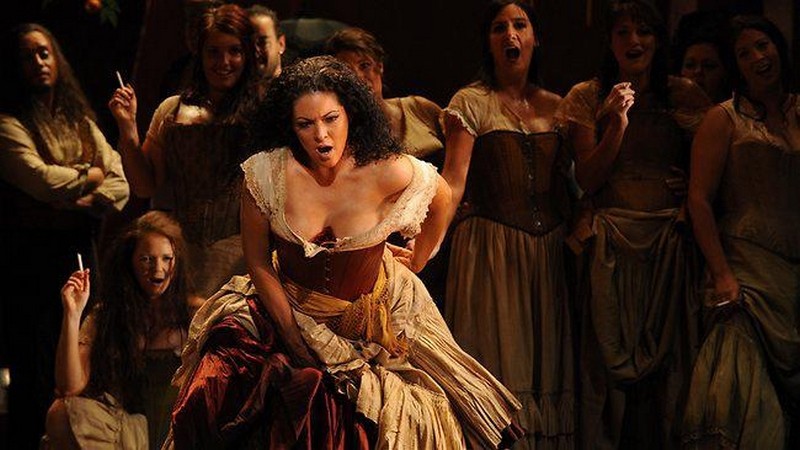
Elena Maximova in Carmen (Royal Opera House), October 2015
Poto by Catherine Ashmore
Picture posted by Opera Montajes, Pinteresthttps://blogger.googleusercontent.com/img/b/R29vZ2xl/AVvXsEjFP_EoxlEvXwMK-XB9Hu-X9uGt30ZH_TmVlgCMBIURZcNINDqgtXi0QJcS7psGNkAU9VdpX71KtiMv-RqOxlXNYvNEBBPZmoOilNfMMK3q66M3t7Y04hvkjdu7l6Q92J7QjLe27YNiIkNg/s1600/910a992186327a75bac5f34c85caa0e0.jpg
https://s-media-cache-ak0.pinimg.com/originals/91/0a/99/910a992186327a75bac5f34c85caa0e0.jpg
https://www.pinterest.com/ristardi/opera-montajes/
In the Hebrew Bible, Oholah (אהלה) and Oholibah (אהליבה) (or: Aholah and Aholibah) are pejorative names given by the prophet Ezekiel to Samaria in the Kingdom of Israel and Jerusalem in the kingdom of Judah, respectively. They appear in the Book of Ezekiel, chapter 23.
There is a pun in these names in the Hebrew. Oholah means "her tent", and Oholibah means "my tent is in her". [1]

Marriage is commonly used in the Bible as a symbol for the covenant relationship between God and his people. [3]
A wife, holy and pure, a virgin undefiled, loyal and faithful: is that not the desire of a man? And is this not the highest and holiest desire of the Living God, in whose image we are made man? Is a faithful bride not the desire of Christ Jesus, the returning Bridegroom of His Church?
Now the hardness of our hearts urges a wife to dismiss her husband! To the parable of the two degenerate sisters, must we now add another who has called herself, ‘christian?’
The LORD GOD has married you and made you His own! It is a most serious matter that a woman would play the whore and give herself to any other. This is the setting of the parable of the two degenerate sisters in Ezekiel 23. It is the history of God’s chosen ones of Israel and Judah.
Even so, come, Lord Jesus, to your beloved church, the faithful who have not put You away by a bill of divorce. [3]
Elena Maximova in Carmen (Royal Opera House), October 2015
Poto by Catherine Ashmore
Picture posted by Opera Montajes, Pinteresthttps://blogger.googleusercontent.com/img/b/R29vZ2xl/AVvXsEjFP_EoxlEvXwMK-XB9Hu-X9uGt30ZH_TmVlgCMBIURZcNINDqgtXi0QJcS7psGNkAU9VdpX71KtiMv-RqOxlXNYvNEBBPZmoOilNfMMK3q66M3t7Y04hvkjdu7l6Q92J7QjLe27YNiIkNg/s1600/910a992186327a75bac5f34c85caa0e0.jpg
https://s-media-cache-ak0.pinimg.com/originals/91/0a/99/910a992186327a75bac5f34c85caa0e0.jpg
https://www.pinterest.com/ristardi/opera-montajes/
In the Hebrew Bible, Oholah (אהלה) and Oholibah (אהליבה) (or: Aholah and Aholibah) are pejorative names given by the prophet Ezekiel to Samaria in the Kingdom of Israel and Jerusalem in the kingdom of Judah, respectively. They appear in the Book of Ezekiel, chapter 23.
There is a pun in these names in the Hebrew. Oholah means "her tent", and Oholibah means "my tent is in her". [1]
PHOTO: Two Adulterous Sisters, Oholah and Oholibah are pejorative (word expressing contempt or disapproval) names given by the prophet Ezekiel to Samaria in the Kingdom of Israel and Jerusalem in the kingdom of Judah, respectively. (Ezekiel 23)
Artwork by Henriette S. Picker - 'The Dancer,' in the album "Passion" by Kirstin Chavez
https://blogger.googleusercontent.com/img/b/R29vZ2xl/AVvXsEgulX7h3-LV6t-ifFzErUDAsWkbNqQRzjM7a3uT2fQ2V-R6Omkp-gtBjDZVjWxVS4MKQT7LIzMEpgegA8EqtV-I1rTve0RP0iw6yqRlddqotcNx73YZeG_2bnYaPCKX18uQpbzPsQJGNx-Q/s1600/IMG_4193-1.JPG
http://www.kchavez.com/images/main/IMG_4193.JPG
http://www.kchavez.com/2012/newalbum.htm
Ezekiel's rhetoric portrays Oholah and Oholibah, or Samaria and Jerusalem, as the daughters of one mother. Both are said to be "brides of God", and both are guilty of idolatry and of religious and political alliances with Gentile nations. These kingdoms are described as prostitutes and adulteresses, given up to the abominations and idolatries of the Egyptians and Assyrians. Because of Oholah's crimes, she was carried away captive, and ceased to be a kingdom. (Comp. Psalm 78:67–69; 1 Kings 12:25–33; 2 Chr 11:13–16.)

Artwork by Henriette S. Picker - 'The Dancer,' in the album "Passion" by Kirstin Chavez
https://blogger.googleusercontent.com/img/b/R29vZ2xl/AVvXsEgulX7h3-LV6t-ifFzErUDAsWkbNqQRzjM7a3uT2fQ2V-R6Omkp-gtBjDZVjWxVS4MKQT7LIzMEpgegA8EqtV-I1rTve0RP0iw6yqRlddqotcNx73YZeG_2bnYaPCKX18uQpbzPsQJGNx-Q/s1600/IMG_4193-1.JPG
http://www.kchavez.com/images/main/IMG_4193.JPG
http://www.kchavez.com/2012/newalbum.htm
Ezekiel's rhetoric portrays Oholah and Oholibah, or Samaria and Jerusalem, as the daughters of one mother. Both are said to be "brides of God", and both are guilty of idolatry and of religious and political alliances with Gentile nations. These kingdoms are described as prostitutes and adulteresses, given up to the abominations and idolatries of the Egyptians and Assyrians. Because of Oholah's crimes, she was carried away captive, and ceased to be a kingdom. (Comp. Psalm 78:67–69; 1 Kings 12:25–33; 2 Chr 11:13–16.)
PHOTO: Both Oholah and Oholibah, are guilty of idolatry and of religious and political alliances with Gentile nations. Because of Oholah's crimes, she was carried away captive, and ceased to be a kingdom.
Painting by Roberto Ferri - Beauty, love and soul
Picture posted by Patricia Abilio, published in arts and ideas
https://blogger.googleusercontent.com/img/b/R29vZ2xl/AVvXsEgASRTezY2ibrmjSidZTISitTQPnL50JU6SPBT3PL7F3Iy4qgdeOSRVr_XsOuoaEjkNadSEsI4CHGPgt6Q9ASt-_Lf_8AVue4T3el0Oiu8xd90RgE4Rh0iBUNayF4SJeUzdTeGgTZ_f_hDm/s1600/8-thumb-900x1559-136590.jpg
http://obviousmag.org/notas_sobre_o_nada/assets_c/2016/01/8-thumb-900x1559-136590.jpg
http://obviousmag.org/notas_sobre_o_nada/2016/roberto-ferri-o-barroco-contemporaneo-e-o-tenebrismo-mitologico.html

Painting by Roberto Ferri - Beauty, love and soul
Picture posted by Patricia Abilio, published in arts and ideas
https://blogger.googleusercontent.com/img/b/R29vZ2xl/AVvXsEgASRTezY2ibrmjSidZTISitTQPnL50JU6SPBT3PL7F3Iy4qgdeOSRVr_XsOuoaEjkNadSEsI4CHGPgt6Q9ASt-_Lf_8AVue4T3el0Oiu8xd90RgE4Rh0iBUNayF4SJeUzdTeGgTZ_f_hDm/s1600/8-thumb-900x1559-136590.jpg
http://obviousmag.org/notas_sobre_o_nada/assets_c/2016/01/8-thumb-900x1559-136590.jpg
http://obviousmag.org/notas_sobre_o_nada/2016/roberto-ferri-o-barroco-contemporaneo-e-o-tenebrismo-mitologico.html
PHOTO: Oholibah saw her sister's punishment, yet in her lust and prostitution she was more depraved than her sister. She too lusted after the Assyrians—governors and commanders, warriors in full dress, mounted horsemen, all handsome young men. . . . . . .
She carried on her prostitution openly and exposed her naked body. God turned away from her in disgust, just as He had turned away from her sister. (Ezekiel 23:11-18)
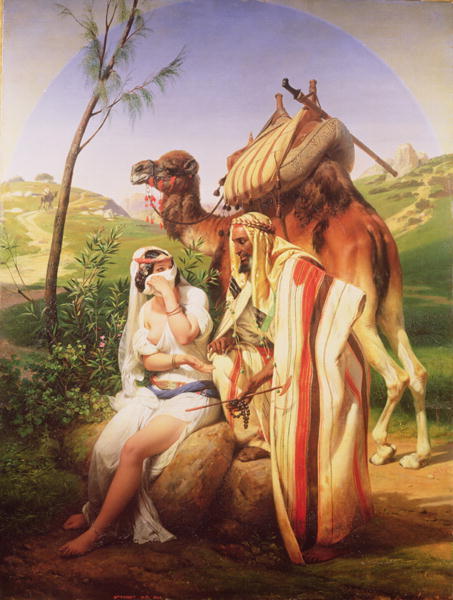
Painting by Francisco Sans Cabot - Oholibah
Picture from A Scene From Los Suenos by Francisco De Quevedo on 26 September 2016
From Wikimedia Commons, the free media repository
https://blogger.googleusercontent.com/img/b/R29vZ2xl/AVvXsEhfq7tMkS-gYS5481J6tK4dz_b3GAy2c7WtXgBie0xyVgRDffqDMtSbY6K3-ucZ6HAIIekvxNkBKpaun_JePvPDjgnPGxuwOusgrv_TPPWrANIwfK19Eg4hZjd5Cp9sMzV1JHO_s790o4F3/s1600/Sans_Cabot_Lutero_Sue%25C3%25B1o_del_infierno_de_Quevedo.jpg
https://upload.wikimedia.org/wikipedia/commons/8/8f/Sans_Cabot_Lutero_Sue%C3%B1o_del_infierno_de_Quevedo.jpg
https://commons.wikimedia.org/wiki/File:Sans_Cabot_Lutero_Sue%C3%B1o_del_infierno_de_Quevedo.jpg
The Hebrew prophets frequently compared the sin of idolatry to the sin of adultery, in a frequently reappearing rhetorical figure. Ezekiel's rhetoric directed against these two allegorical figures is more vivid than most:
"There she lusted after her lovers, whose genitals were like those of donkeys and whose emission was like that of horses.
So you longed for the lewdness of your youth, when in Egypt your bosom was caressed and your young breasts fondled." (Ezekiel 23:20–21)

She carried on her prostitution openly and exposed her naked body. God turned away from her in disgust, just as He had turned away from her sister. (Ezekiel 23:11-18)
Painting by Francisco Sans Cabot - Oholibah
Picture from A Scene From Los Suenos by Francisco De Quevedo on 26 September 2016
From Wikimedia Commons, the free media repository
https://blogger.googleusercontent.com/img/b/R29vZ2xl/AVvXsEhfq7tMkS-gYS5481J6tK4dz_b3GAy2c7WtXgBie0xyVgRDffqDMtSbY6K3-ucZ6HAIIekvxNkBKpaun_JePvPDjgnPGxuwOusgrv_TPPWrANIwfK19Eg4hZjd5Cp9sMzV1JHO_s790o4F3/s1600/Sans_Cabot_Lutero_Sue%25C3%25B1o_del_infierno_de_Quevedo.jpg
https://upload.wikimedia.org/wikipedia/commons/8/8f/Sans_Cabot_Lutero_Sue%C3%B1o_del_infierno_de_Quevedo.jpg
https://commons.wikimedia.org/wiki/File:Sans_Cabot_Lutero_Sue%C3%B1o_del_infierno_de_Quevedo.jpg
The Hebrew prophets frequently compared the sin of idolatry to the sin of adultery, in a frequently reappearing rhetorical figure. Ezekiel's rhetoric directed against these two allegorical figures is more vivid than most:
"There she lusted after her lovers, whose genitals were like those of donkeys and whose emission was like that of horses.
So you longed for the lewdness of your youth, when in Egypt your bosom was caressed and your young breasts fondled." (Ezekiel 23:20–21)
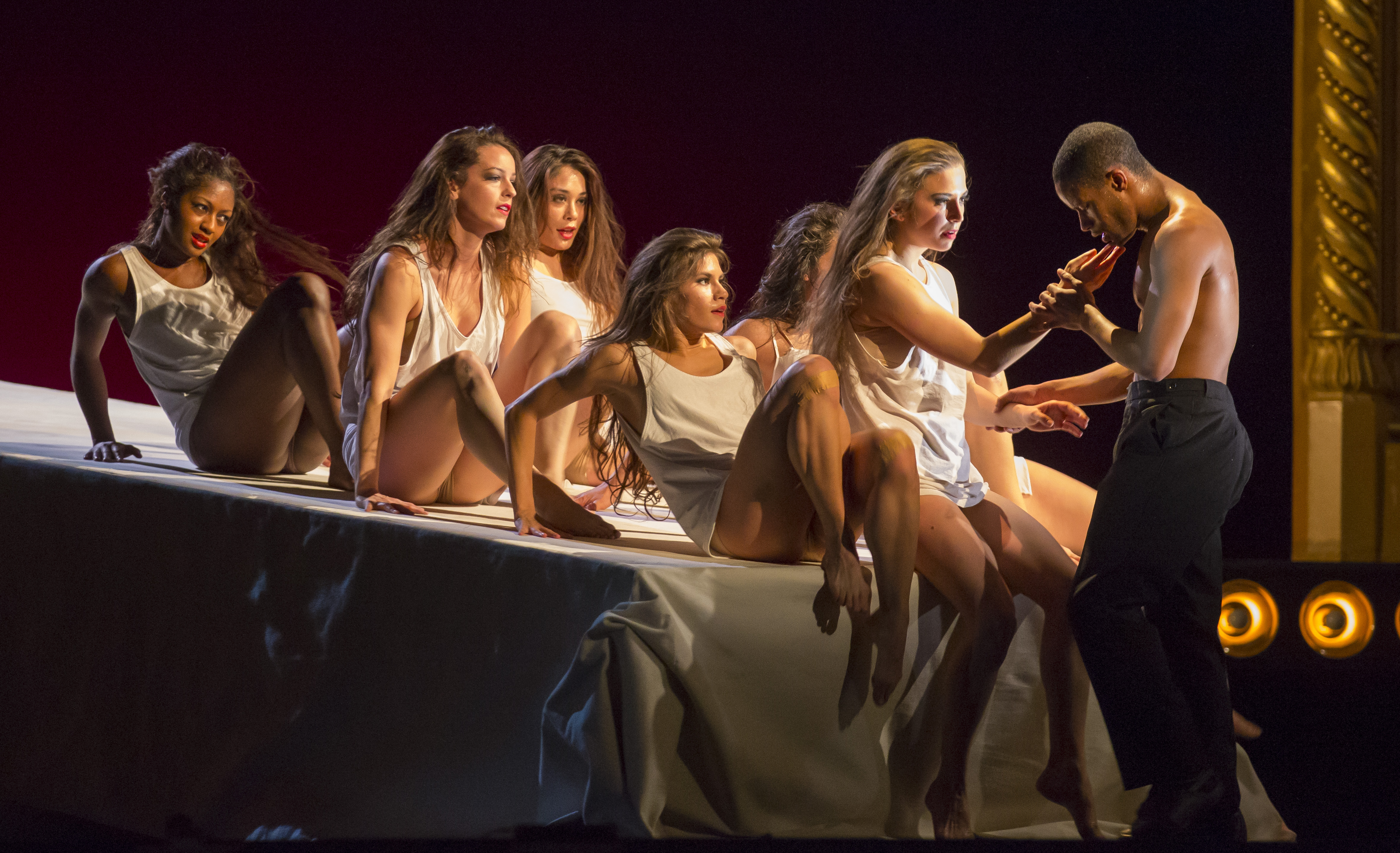
PHOTO: Ezekiel's rhetoric directed against these two allegorical figures is more vivid than most. Oholibah became more and more promiscuous as she recalled the days of her youth, when she was a prostitute in Egypt.
"There she lusted after her lovers, whose genitals were like those of donkeys and whose emission was like that of horses.
So you longed for the lewdness of your youth, when in Egypt your bosom was caressed and your young breasts fondled." (Ezekiel 23:20–21)
Picture posted by Barnaby Hughes on 10 February 2015, in Theater-Chicago
https://blogger.googleusercontent.com/img/b/R29vZ2xl/AVvXsEh75kvte19knTZRvPA-cdiSgMshWjiP2dYf0rqwNMVgrG78z2IqZJt8WDfqUr8Lot-oI0vWLowPyDjTuklnFG7UrH2XGcWHCDyqIRedOzMWEwCEGZIIsk14-3x99haAllxz2vGqcBNZbY0B/s1600/03_Ballet_TANNHAUSER_LYR150204_135_cTodd_Rosenberg.jpg
http://www.stageandcinema.com/wp-content/uploads/2015/01/03_Ballet_TANNHAUSER_LYR150204_135_cTodd_Rosenberg.jpg
http://www.stageandcinema.com/2015/02/10/tannhauser-lyric-opera-chicago/
A very similar and equally vivid allegory is directed at the city of Jerusalem itself in Ezekiel 16.
Another good example of this allegorical comparison is found in the Book of Hosea.
For their mother has played the whore; she who conceived them has acted shamefully. For she said, "I will go after my lovers; they give me my bread and my water, my wool and my flax, my oil and my drink." (Hosea 2:5)

"There she lusted after her lovers, whose genitals were like those of donkeys and whose emission was like that of horses.
So you longed for the lewdness of your youth, when in Egypt your bosom was caressed and your young breasts fondled." (Ezekiel 23:20–21)
Picture posted by Barnaby Hughes on 10 February 2015, in Theater-Chicago
https://blogger.googleusercontent.com/img/b/R29vZ2xl/AVvXsEh75kvte19knTZRvPA-cdiSgMshWjiP2dYf0rqwNMVgrG78z2IqZJt8WDfqUr8Lot-oI0vWLowPyDjTuklnFG7UrH2XGcWHCDyqIRedOzMWEwCEGZIIsk14-3x99haAllxz2vGqcBNZbY0B/s1600/03_Ballet_TANNHAUSER_LYR150204_135_cTodd_Rosenberg.jpg
http://www.stageandcinema.com/wp-content/uploads/2015/01/03_Ballet_TANNHAUSER_LYR150204_135_cTodd_Rosenberg.jpg
http://www.stageandcinema.com/2015/02/10/tannhauser-lyric-opera-chicago/
A very similar and equally vivid allegory is directed at the city of Jerusalem itself in Ezekiel 16.
Another good example of this allegorical comparison is found in the Book of Hosea.
For their mother has played the whore; she who conceived them has acted shamefully. For she said, "I will go after my lovers; they give me my bread and my water, my wool and my flax, my oil and my drink." (Hosea 2:5)
PHOTO: Oholah and Oholibah, or Samaria and Jerusalem, were the daughters of one mother. Both are said to be "brides of God", and both are guilty of idolatry and of religious and political alliances with Gentile nations.
Painting by Roberto Ferri
Picture posted by Simon Lyrics-Mus on 22 June 2015
https://blogger.googleusercontent.com/img/b/R29vZ2xl/AVvXsEii9D0lRPRCwgq0xboLdTmwXmhoWAmHf9aB9kxeAaIWIvCr7uvGmCb7vpWVd6J3gf72iZze-BHtGM5h37ioxseVS3P7F8kHkX3MtjUZ4vzfoQKPdPeQ7p88MtPL7F0liaPNRY0fOy2ivy8m/s1600/optimizado-roberto-ferris-16.jpg
https://lh3.googleusercontent.com/-8tm5fN4Ssg8/VYcgxvSvOcI/AAAAAAAAALk/B3rUztw4cUw/w741-h746/optimizado-roberto-ferris-16.jpg
https://plus.google.com/105799685146776757409
Again, the language is vivid, but it strikingly directs the reader to the issue the prophet has in mind: namely the breaking of a covenantal relationship by repeatedly engaging in the sin of idolatry. The prophets Ezekiel and Hosea saw idol worship and ritual impurity as Israel's primary sin. [2]

Painting by Roberto Ferri
Picture posted by Simon Lyrics-Mus on 22 June 2015
https://blogger.googleusercontent.com/img/b/R29vZ2xl/AVvXsEii9D0lRPRCwgq0xboLdTmwXmhoWAmHf9aB9kxeAaIWIvCr7uvGmCb7vpWVd6J3gf72iZze-BHtGM5h37ioxseVS3P7F8kHkX3MtjUZ4vzfoQKPdPeQ7p88MtPL7F0liaPNRY0fOy2ivy8m/s1600/optimizado-roberto-ferris-16.jpg
https://lh3.googleusercontent.com/-8tm5fN4Ssg8/VYcgxvSvOcI/AAAAAAAAALk/B3rUztw4cUw/w741-h746/optimizado-roberto-ferris-16.jpg
https://plus.google.com/105799685146776757409
Again, the language is vivid, but it strikingly directs the reader to the issue the prophet has in mind: namely the breaking of a covenantal relationship by repeatedly engaging in the sin of idolatry. The prophets Ezekiel and Hosea saw idol worship and ritual impurity as Israel's primary sin. [2]
PHOTO: "Dear Lord, we pray that we do not lusted after the nations and defiled ourself with their idols, inciting your jealous anger against us. Please help us to stop our detestable practices and led a live that is pleasing to you. Help us to become the wife, who is holy and pure, a virgin undefiled, loyal and faithful, the highest and holiest desire of the Living God. We pray that we become the faithful bride desired by Christ Jesus, the returning Bridegroom of His Church. Through Lord Jesus Christ we pray. Amen!"
Painting by Roberto Ferri
https://blogger.googleusercontent.com/img/b/R29vZ2xl/AVvXsEhyHDI5NMI9QLPaAFZ8uKVxNQA6GuJCvUSwgaVMz7SzbpCcBrYybOQ9-jKrEghyphenhyphenY72kMuNjh-hQjV-5ky4lZ5CWsU_R2oum92NMzc1ob3MKqC1Pfn8JrAEduJ1AvqyLt9Neii7__nYAAyCG/s1600/Roberto+Ferri%252C+L%25C3%25B3gi+Cult+%25286%2529.jpg
https://blogger.googleusercontent.com/img/b/R29vZ2xl/AVvXsEi0DllTqgm5_uizFYJPeqpkna21BurKpvkzLMyLl1mbalP-uQ89hV2ZgUf-vcOerbn5Tjotn3B3fIxK4TiODrQJn6yvACGYS5Owu1JPpQHkyoUEPDTUrahs0WdEH1DXVcwMAcRz__R5Apjz/s1600/Roberto+Ferri%252C+L%25C3%25B3gi+Cult+%25286%2529.jpg
http://www.logicult.com/2016/05/roberto-ferri.html
Reference
Painting by Roberto Ferri
https://blogger.googleusercontent.com/img/b/R29vZ2xl/AVvXsEhyHDI5NMI9QLPaAFZ8uKVxNQA6GuJCvUSwgaVMz7SzbpCcBrYybOQ9-jKrEghyphenhyphenY72kMuNjh-hQjV-5ky4lZ5CWsU_R2oum92NMzc1ob3MKqC1Pfn8JrAEduJ1AvqyLt9Neii7__nYAAyCG/s1600/Roberto+Ferri%252C+L%25C3%25B3gi+Cult+%25286%2529.jpg
https://blogger.googleusercontent.com/img/b/R29vZ2xl/AVvXsEi0DllTqgm5_uizFYJPeqpkna21BurKpvkzLMyLl1mbalP-uQ89hV2ZgUf-vcOerbn5Tjotn3B3fIxK4TiODrQJn6yvACGYS5Owu1JPpQHkyoUEPDTUrahs0WdEH1DXVcwMAcRz__R5Apjz/s1600/Roberto+Ferri%252C+L%25C3%25B3gi+Cult+%25286%2529.jpg
http://www.logicult.com/2016/05/roberto-ferri.html
From Wikipedia, the free encyclopedia
Reference
[1] Adele Berlin; Marc Zvi Brettler (17 October 2014). The Jewish Study Bible: Second Edition. Oxford University Press. p. 2350. ISBN 978-0-19-939387-9.
[2] Coogan, Michael D. A Brief Introduction to the Old Testament New York; Oxford: Oxford University Press, 2009., p. 317.
[3] Roger Harned, The Parable of Degenerate Sisters, http://talkofjesus.com/degenerate-sisters/
New International Version (NIV), Holy Bible, New International Version®, NIV® Copyright ©1973, 1978, 1984, 2011 by Biblica, Inc.® Used by permission. All rights reserved worldwide.
1 Kings 12:25–33 - https://www.biblegateway.com/passage/?search=1+Kings+12%3A25%E2%80%9333&version=NIV
2 Chronicles 11:13-16 - https://www.biblegateway.com/passage/?search=2+Chr+11%3A13%E2%80%9316&version=NIV
Ezekiel 16 - https://www.biblegateway.com/passage/?search=Ezekiel+16&version=NIV
Ezekiel 23 - https://www.biblegateway.com/passage/?search=Ezekiel+23&version=NIV
Ezekiel 23:11-18 - https://www.biblegateway.com/passage/?search=Ezekiel+23%3A11-18&version=NIV
Ezekiel 23:20–21 - https://www.biblegateway.com/passage/?search=Ezekiel+23%3A20%E2%80%9321&version=NIV
Hosea 2:5 - https://www.biblegateway.com/passage/?search=Hosea+2%3A5&version=NIV
Psalm 78:67–69 - https://www.biblegateway.com/passage/?search=Psalm+78%3A67%E2%80%9369&version=NIV
[2] Coogan, Michael D. A Brief Introduction to the Old Testament New York; Oxford: Oxford University Press, 2009., p. 317.
[3] Roger Harned, The Parable of Degenerate Sisters, http://talkofjesus.com/degenerate-sisters/
New International Version (NIV), Holy Bible, New International Version®, NIV® Copyright ©1973, 1978, 1984, 2011 by Biblica, Inc.® Used by permission. All rights reserved worldwide.
1 Kings 12:25–33 - https://www.biblegateway.com/passage/?search=1+Kings+12%3A25%E2%80%9333&version=NIV
2 Chronicles 11:13-16 - https://www.biblegateway.com/passage/?search=2+Chr+11%3A13%E2%80%9316&version=NIV
Ezekiel 16 - https://www.biblegateway.com/passage/?search=Ezekiel+16&version=NIV
Ezekiel 23 - https://www.biblegateway.com/passage/?search=Ezekiel+23&version=NIV
Ezekiel 23:11-18 - https://www.biblegateway.com/passage/?search=Ezekiel+23%3A11-18&version=NIV
Ezekiel 23:20–21 - https://www.biblegateway.com/passage/?search=Ezekiel+23%3A20%E2%80%9321&version=NIV
Hosea 2:5 - https://www.biblegateway.com/passage/?search=Hosea+2%3A5&version=NIV
Psalm 78:67–69 - https://www.biblegateway.com/passage/?search=Psalm+78%3A67%E2%80%9369&version=NIV
- https://blogger.googleusercontent.com/img/b/R29vZ2xl/AVvXsEjFP_EoxlEvXwMK-XB9Hu-X9uGt30ZH_TmVlgCMBIURZcNINDqgtXi0QJcS7psGNkAU9VdpX71KtiMv-RqOxlXNYvNEBBPZmoOilNfMMK3q66M3t7Y04hvkjdu7l6Q92J7QjLe27YNiIkNg/s1600/910a992186327a75bac5f34c85caa0e0.jpg
- https://s-media-cache-ak0.pinimg.com/originals/91/0a/99/910a992186327a75bac5f34c85caa0e0.jpg
- https://www.pinterest.com/ristardi/opera-montajes/
- https://blogger.googleusercontent.com/img/b/R29vZ2xl/AVvXsEgulX7h3-LV6t-ifFzErUDAsWkbNqQRzjM7a3uT2fQ2V-R6Omkp-gtBjDZVjWxVS4MKQT7LIzMEpgegA8EqtV-I1rTve0RP0iw6yqRlddqotcNx73YZeG_2bnYaPCKX18uQpbzPsQJGNx-Q/s1600/IMG_4193-1.JPG
- http://www.kchavez.com/images/main/IMG_4193.JPG
- http://www.kchavez.com/2012/newalbum.htm
- https://blogger.googleusercontent.com/img/b/R29vZ2xl/AVvXsEgASRTezY2ibrmjSidZTISitTQPnL50JU6SPBT3PL7F3Iy4qgdeOSRVr_XsOuoaEjkNadSEsI4CHGPgt6Q9ASt-_Lf_8AVue4T3el0Oiu8xd90RgE4Rh0iBUNayF4SJeUzdTeGgTZ_f_hDm/s1600/8-thumb-900x1559-136590.jpg
- http://obviousmag.org/notas_sobre_o_nada/assets_c/2016/01/8-thumb-900x1559-136590.jpg
- http://obviousmag.org/notas_sobre_o_nada/2016/roberto-ferri-o-barroco-contemporaneo-e-o-tenebrismo-mitologico.html
- https://blogger.googleusercontent.com/img/b/R29vZ2xl/AVvXsEhfq7tMkS-gYS5481J6tK4dz_b3GAy2c7WtXgBie0xyVgRDffqDMtSbY6K3-ucZ6HAIIekvxNkBKpaun_JePvPDjgnPGxuwOusgrv_TPPWrANIwfK19Eg4hZjd5Cp9sMzV1JHO_s790o4F3/s1600/Sans_Cabot_Lutero_Sue%25C3%25B1o_del_infierno_de_Quevedo.jpg
- https://upload.wikimedia.org/wikipedia/commons/8/8f/Sans_Cabot_Lutero_Sue%C3%B1o_del_infierno_de_Quevedo.jpg
- https://commons.wikimedia.org/wiki/File:Sans_Cabot_Lutero_Sue%C3%B1o_del_infierno_de_Quevedo.jpg
- https://blogger.googleusercontent.com/img/b/R29vZ2xl/AVvXsEh75kvte19knTZRvPA-cdiSgMshWjiP2dYf0rqwNMVgrG78z2IqZJt8WDfqUr8Lot-oI0vWLowPyDjTuklnFG7UrH2XGcWHCDyqIRedOzMWEwCEGZIIsk14-3x99haAllxz2vGqcBNZbY0B/s1600/03_Ballet_TANNHAUSER_LYR150204_135_cTodd_Rosenberg.jpg
- http://www.stageandcinema.com/wp-content/uploads/2015/01/03_Ballet_TANNHAUSER_LYR150204_135_cTodd_Rosenberg.jpg
- http://www.stageandcinema.com/2015/02/10/tannhauser-lyric-opera-chicago/
- https://blogger.googleusercontent.com/img/b/R29vZ2xl/AVvXsEii9D0lRPRCwgq0xboLdTmwXmhoWAmHf9aB9kxeAaIWIvCr7uvGmCb7vpWVd6J3gf72iZze-BHtGM5h37ioxseVS3P7F8kHkX3MtjUZ4vzfoQKPdPeQ7p88MtPL7F0liaPNRY0fOy2ivy8m/s1600/optimizado-roberto-ferris-16.jpg
- https://lh3.googleusercontent.com/-8tm5fN4Ssg8/VYcgxvSvOcI/AAAAAAAAALk/B3rUztw4cUw/w741-h746/optimizado-roberto-ferris-16.jpg
- https://plus.google.com/105799685146776757409
- https://blogger.googleusercontent.com/img/b/R29vZ2xl/AVvXsEhyHDI5NMI9QLPaAFZ8uKVxNQA6GuJCvUSwgaVMz7SzbpCcBrYybOQ9-jKrEghyphenhyphenY72kMuNjh-hQjV-5ky4lZ5CWsU_R2oum92NMzc1ob3MKqC1Pfn8JrAEduJ1AvqyLt9Neii7__nYAAyCG/s1600/Roberto+Ferri%252C+L%25C3%25B3gi+Cult+%25286%2529.jpg
- https://blogger.googleusercontent.com/img/b/R29vZ2xl/AVvXsEi0DllTqgm5_uizFYJPeqpkna21BurKpvkzLMyLl1mbalP-uQ89hV2ZgUf-vcOerbn5Tjotn3B3fIxK4TiODrQJn6yvACGYS5Owu1JPpQHkyoUEPDTUrahs0WdEH1DXVcwMAcRz__R5Apjz/s1600/Roberto+Ferri%252C+L%25C3%25B3gi+Cult+%25286%2529.jpg
- http://www.logicult.com/2016/05/roberto-ferri.html


 Posts
Posts













.jpg)
.gif)