Source Website: https://www.asiaone.com/singapore/meet-simba-singapore-zoos-first-lion-cub-born-assisted-reproduction
By Anna Tan, annatan@asiaone.com, AsiaOne, 26 January 2021 at 3:15 pm

By Anna Tan, annatan@asiaone.com, AsiaOne, 26 January 2021 at 3:15 pm
PHOTO: Simba, the adorable cub was born in October 2020, is Singapore's first-ever African lion cub conceived by assisted reproduction.
Picture posted by Anna Tan, AsiaOne on 26 January 2021 at 3:15 pm
Picture posted by Anna Tan, AsiaOne on 26 January 2021 at 3:15 pm
https://blogger.googleusercontent.com/img/b/R29vZ2xl/AVvXsEgW2DjOy_NTmKO3yN9sxt4aJmoQjLraEubjF-P_oUSIdCrayoKyNSmEmCxV4_Dj-qGn563tu0aTaeVUSX5gWvT-68klU-n7E2we5ziBhb0l8Z3Hg0ytb7aLZ2r2_6IXmYkr3q1xJUAr9c0/s800/simba_wrs.gif
https://www.asiaone.com/sites/default/files/styles/article_main_image/public/original_images/Jan2021/simba_wrs.gif?itok=Yji1k1fb
https://www.asiaone.com/singapore/meet-simba-singapore-zoos-first-lion-cub-born-assisted-reproduction
Say hello to Simba, Singapore's first-ever African lion cub conceived by assisted reproduction. The adorable cub was born in October 2020, Wildlife Reserves Singapore (WRS) said on Tuesday (Jan 26).
Simba's the only offspring of a geriatric lion named Mufasa, whose semen was collected through electro-ejaculation by veterinary and animal care teams at Singapore Zoo's Wildlife Health and Research Centre.
The semen was then used to artificially inseminate a lioness, Kayla, who was said to be "an ideal candidate for the assisted pregnancy as she was a proven breeder".

https://www.asiaone.com/sites/default/files/styles/article_main_image/public/original_images/Jan2021/simba_wrs.gif?itok=Yji1k1fb
https://www.asiaone.com/singapore/meet-simba-singapore-zoos-first-lion-cub-born-assisted-reproduction
Say hello to Simba, Singapore's first-ever African lion cub conceived by assisted reproduction. The adorable cub was born in October 2020, Wildlife Reserves Singapore (WRS) said on Tuesday (Jan 26).
Simba's the only offspring of a geriatric lion named Mufasa, whose semen was collected through electro-ejaculation by veterinary and animal care teams at Singapore Zoo's Wildlife Health and Research Centre.
The semen was then used to artificially inseminate a lioness, Kayla, who was said to be "an ideal candidate for the assisted pregnancy as she was a proven breeder".
PHOTO: Simba's the only offspring of a geriatric lion named Mufasa, whose semen was collected through electro-ejaculation by veterinary and animal care teams at Singapore Zoo's Wildlife Health and Research Centre.
The semen was then used to artificially inseminate a lioness, Kayla, who was said to be "an ideal candidate for the assisted pregnancy as she was a proven breeder".
PHOTO: WILDLIFE RESERVES SINGAPORE
Picture posted by Ang Qing, The Straits Times on 27 January 2021 at 5:00 am SGT
https://blogger.googleusercontent.com/img/b/R29vZ2xl/AVvXsEiaZiI-LKuBCP5d2rHjKeB0UMvkP2ThrwlKJEuAWCDlpJkr0X2zyOIUDVNRMQHICpb4VVN9qxT31hti-6gGyq04ohYYw6Icmz-SfdX1kC5PPDznBitRnli_0vB0ucwO5ybrwFN90sq425M/s860/ST_20210127_VNLION2_6289063.jpg
https://static.straitstimes.com.sg/s3fs-public/styles/article_pictrure_780x520_/public/articles/2021/01/27/ST_20210127_VNLION2_6289063.jpg?itok=I2lcgmXs×tamp=1611759342
https://www.straitstimes.com/singapore/first-lion-cub-born-at-spore-zoo-with-assisted-reproduction
However, Mufasa did not live to meet the cub.
The aged lion died after the semen collection, and was not revived due to his "deteriorating health".
According to WRS, African lions live for about 10-14 years on average. Mufasa lived to age 20 but was unable to sire any cubs in his lifetime due to his aggressive nature.
WRS said that this process would preserve the genes and bloodline of Mufasa, adding that "his genes would be of high value in contributing to the genetic diversity and sustainability of African lion populations in zoological institutions."

The semen was then used to artificially inseminate a lioness, Kayla, who was said to be "an ideal candidate for the assisted pregnancy as she was a proven breeder".
PHOTO: WILDLIFE RESERVES SINGAPORE
Picture posted by Ang Qing, The Straits Times on 27 January 2021 at 5:00 am SGT
https://blogger.googleusercontent.com/img/b/R29vZ2xl/AVvXsEiaZiI-LKuBCP5d2rHjKeB0UMvkP2ThrwlKJEuAWCDlpJkr0X2zyOIUDVNRMQHICpb4VVN9qxT31hti-6gGyq04ohYYw6Icmz-SfdX1kC5PPDznBitRnli_0vB0ucwO5ybrwFN90sq425M/s860/ST_20210127_VNLION2_6289063.jpg
https://static.straitstimes.com.sg/s3fs-public/styles/article_pictrure_780x520_/public/articles/2021/01/27/ST_20210127_VNLION2_6289063.jpg?itok=I2lcgmXs×tamp=1611759342
https://www.straitstimes.com/singapore/first-lion-cub-born-at-spore-zoo-with-assisted-reproduction
However, Mufasa did not live to meet the cub.
The aged lion died after the semen collection, and was not revived due to his "deteriorating health".
According to WRS, African lions live for about 10-14 years on average. Mufasa lived to age 20 but was unable to sire any cubs in his lifetime due to his aggressive nature.
WRS said that this process would preserve the genes and bloodline of Mufasa, adding that "his genes would be of high value in contributing to the genetic diversity and sustainability of African lion populations in zoological institutions."
PHOTO: WRS said that this process would preserve the genes and bloodline of Mufasa, adding that "his genes would be of high value in contributing to the genetic diversity and sustainability of African lion populations in zoological institutions."
Picture posted by Thom Dunn, boingboing.net on Monday, 01 February 2021 at 05:30 am
https://blogger.googleusercontent.com/img/b/R29vZ2xl/AVvXsEixNunsOq5FNZB8jRFv7FQ0gqB8GOsoHHx-HeDOVNpapcUfvYQFjMsKVO3mNnVAHWEVQRthGfnJoPiMqkTDT0JWX4d1WHD5v8IbKfZay47XCjv-nWAdprvy2ivmooHUsWdgdz9xknSm6po/s1280/Asiatic_Lion_Cub_takes_a_stroll.png
https://i0.wp.com/boingboing.net/wp-content/uploads/2021/01/Asiatic_Lion_Cub_takes_a_stroll.jpg?fit=1280%2C823&ssl=1
https://boingboing.net/2021/02/01/a-lion-named-mufasa-has-died-after-electro-ejaculating-to-make-a-baby-simba.html
The African lion species is listed as 'vulnerable' under the International Union for the Conservation of Nature Red List of Threatened Species.
In the first month, Simba seemed to be developing well under Kayla's care. But zookeepers soon found the cub to be lethargic and struggling with suckling.
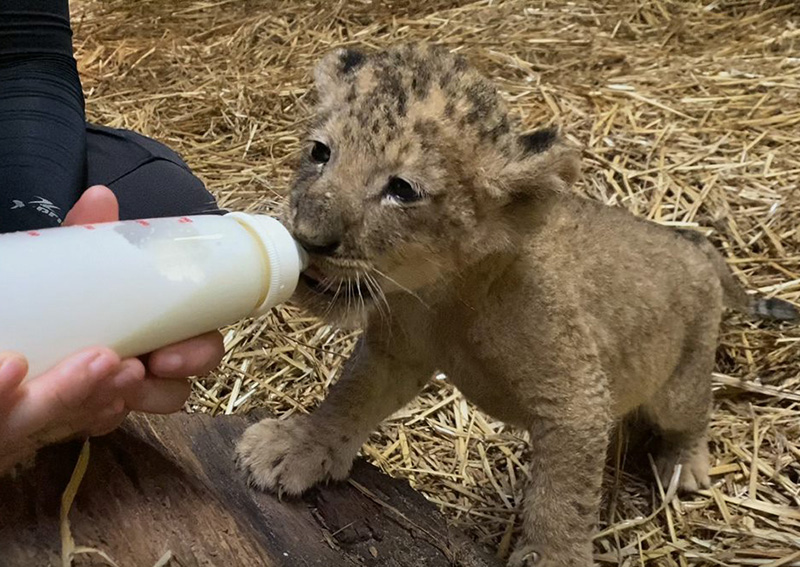
A decision was made to supplement Simba's nutrition with bottle feeding. "Observations suggested that Kayla was possibly suffering from inflammation of her mammary glands," WRS said.

Picture posted by Thom Dunn, boingboing.net on Monday, 01 February 2021 at 05:30 am
https://blogger.googleusercontent.com/img/b/R29vZ2xl/AVvXsEixNunsOq5FNZB8jRFv7FQ0gqB8GOsoHHx-HeDOVNpapcUfvYQFjMsKVO3mNnVAHWEVQRthGfnJoPiMqkTDT0JWX4d1WHD5v8IbKfZay47XCjv-nWAdprvy2ivmooHUsWdgdz9xknSm6po/s1280/Asiatic_Lion_Cub_takes_a_stroll.png
https://i0.wp.com/boingboing.net/wp-content/uploads/2021/01/Asiatic_Lion_Cub_takes_a_stroll.jpg?fit=1280%2C823&ssl=1
https://boingboing.net/2021/02/01/a-lion-named-mufasa-has-died-after-electro-ejaculating-to-make-a-baby-simba.html
The African lion species is listed as 'vulnerable' under the International Union for the Conservation of Nature Red List of Threatened Species.
In the first month, Simba seemed to be developing well under Kayla's care. But zookeepers soon found the cub to be lethargic and struggling with suckling.
A decision was made to supplement Simba's nutrition with bottle feeding. "Observations suggested that Kayla was possibly suffering from inflammation of her mammary glands," WRS said.
PHOTO: Zookeepers soon found the cub to be lethargic and struggling with suckling. A decision was made to supplement Simba's nutrition with bottle feeding. "Observations suggested that Kayla was possibly suffering from inflammation of her mammary glands," Wildlife Reserves Singapore (WRS) said.
Picture posted by Anna Tan, AsiaOne on 26 January 2021 at 3:15 pm
https://blogger.googleusercontent.com/img/b/R29vZ2xl/AVvXsEhgyeDbE7MzqnJf_CfoO1oFk4XiBFEek1zjGLAm0FzGRuLyuHBa5cLc8GgRneYGMOlfjIeIU7uz_mFzgCNL6RHqi7KqvSuTorajPqnxpDpU7dUDvFHp2lF6hGk7qOhEl-keQxIKqq5sKFI/s800/simba2_wrs.jpg
https://www.asiaone.com/sites/default/files/inline-images/simba2_wrs.jpg
https://www.asiaone.com/singapore/meet-simba-singapore-zoos-first-lion-cub-born-assisted-reproduction
"It was a delicate decision because animals can reject their young following temporary separation", said Kughan Krishnan, head keeper of carnivores at WRS.
"Thankfully, Kayla was accepting of the intervention which reflects the trust relationship built up over time between the lioness and her animal care team, that helped to achieve the positive outcome," he added.

Picture posted by Anna Tan, AsiaOne on 26 January 2021 at 3:15 pm
https://blogger.googleusercontent.com/img/b/R29vZ2xl/AVvXsEhgyeDbE7MzqnJf_CfoO1oFk4XiBFEek1zjGLAm0FzGRuLyuHBa5cLc8GgRneYGMOlfjIeIU7uz_mFzgCNL6RHqi7KqvSuTorajPqnxpDpU7dUDvFHp2lF6hGk7qOhEl-keQxIKqq5sKFI/s800/simba2_wrs.jpg
https://www.asiaone.com/sites/default/files/inline-images/simba2_wrs.jpg
https://www.asiaone.com/singapore/meet-simba-singapore-zoos-first-lion-cub-born-assisted-reproduction
"It was a delicate decision because animals can reject their young following temporary separation", said Kughan Krishnan, head keeper of carnivores at WRS.
"Thankfully, Kayla was accepting of the intervention which reflects the trust relationship built up over time between the lioness and her animal care team, that helped to achieve the positive outcome," he added.
PHOTO: "Thankfully, Kayla was accepting of the intervention which reflects the trust relationship built up over time between the lioness and her animal care team, that helped to achieve the positive outcome."
Picture posted by yahoo.com on 27 January 2021
https://blogger.googleusercontent.com/img/b/R29vZ2xl/AVvXsEgz1C6WDs-yRAWqwJbjuA0CcRInw5OSPO1PSjmlMrX_XDRZtZrYoN5lRDO1E4qv8Oj_RcOKzWGgJjUnp_rVVTzuPgIGCLVnN67QA7USpfOHwlu8e8BQ6iFFtq9Pyj7Gq8tI5Izx1YBHMhU/s1333/601137cceea7b60001e2c34c_1920x1080_FES_v1_1.jpg
https://s.yimg.com/hd/cp-video-transcode/prod/2021-01/27/601137c93b6d0e2f22f6d0e4/601137cceea7b60001e2c34c_1920x1080_FES_v1.jpg
https://www.yahoo.com/entertainment/adorable-lion-cub-simba-born-095019754.html
Three months have passed since and Simba appears to be growing up well.
The cub has started to transition to solid foods by having small amounts of raw meat together with his milk. He spends most of his day playing with his favourite rattan ball and "perfecting his roar".
To strengthen their bond privately, mother and son are housed in an off-exhibit area at the zoo. Simba will then slowly be introduced to the rest of his family.
Posted by Anna Tan, annatan@asiaone.com, AsiaOne on 26 January 2021 at 3:15 pm
https://www.asiaone.com/singapore/meet-simba-singapore-zoos-first-lion-cub-born-assisted-reproduction

Picture posted by yahoo.com on 27 January 2021
https://blogger.googleusercontent.com/img/b/R29vZ2xl/AVvXsEgz1C6WDs-yRAWqwJbjuA0CcRInw5OSPO1PSjmlMrX_XDRZtZrYoN5lRDO1E4qv8Oj_RcOKzWGgJjUnp_rVVTzuPgIGCLVnN67QA7USpfOHwlu8e8BQ6iFFtq9Pyj7Gq8tI5Izx1YBHMhU/s1333/601137cceea7b60001e2c34c_1920x1080_FES_v1_1.jpg
https://s.yimg.com/hd/cp-video-transcode/prod/2021-01/27/601137c93b6d0e2f22f6d0e4/601137cceea7b60001e2c34c_1920x1080_FES_v1.jpg
https://www.yahoo.com/entertainment/adorable-lion-cub-simba-born-095019754.html
Three months have passed since and Simba appears to be growing up well.
The cub has started to transition to solid foods by having small amounts of raw meat together with his milk. He spends most of his day playing with his favourite rattan ball and "perfecting his roar".
To strengthen their bond privately, mother and son are housed in an off-exhibit area at the zoo. Simba will then slowly be introduced to the rest of his family.
Posted by Anna Tan, annatan@asiaone.com, AsiaOne on 26 January 2021 at 3:15 pm
https://www.asiaone.com/singapore/meet-simba-singapore-zoos-first-lion-cub-born-assisted-reproduction
PHOTO: To strengthen their bond privately, mother and son are housed in an off-exhibit area at the zoo. Simba will then slowly be introduced to the rest of his family.
"Even though I walk through the darkest valley, I will fear no evil, for you are with me; your rod and your staff, they comfort me." (Psalm 23:4)
Picture posted by khoitibet on 10 May 2012 - Leo Zodiac
https://blogger.googleusercontent.com/img/b/R29vZ2xl/AVvXsEiK9A6gm73sYzOiSGDGus6MTtDbdFsAw_y1Zfyjdi4RXlvkcfPKBpdEo5M7AOgbMN9elQW79hfyMUuoefkf0avM8zKGTCqsw9MRUYlOluuVs2vbuK8hyphenhyphenIwMuaCSNu9llWqgL_Xd8zqNa6s/s965/leo_zodiac_by_khoitibet_d4zarg9-fullview.jpg
https://images-wixmp-ed30a86b8c4ca887773594c2.wixmp.com/f/78da60ad-5041-4353-9382-51dd4e374787/d4zarg9-87ef6baa-1135-455b-a7aa-0d806bea07f4.jpg/v1/fill/w_900,h_965,q_75,strp/leo_zodiac_by_khoitibet_d4zarg9-fullview.jpg?token=eyJ0eXAiOiJKV1QiLCJhbGciOiJIUzI1NiJ9.eyJzdWIiOiJ1cm46YXBwOiIsImlzcyI6InVybjphcHA6Iiwib2JqIjpbW3siaGVpZ2h0IjoiPD05NjUiLCJwYXRoIjoiXC9mXC83OGRhNjBhZC01MDQxLTQzNTMtOTM4Mi01MWRkNGUzNzQ3ODdcL2Q0emFyZzktODdlZjZiYWEtMTEzNS00NTViLWE3YWEtMGQ4MDZiZWEwN2Y0LmpwZyIsIndpZHRoIjoiPD05MDAifV1dLCJhdWQiOlsidXJuOnNlcnZpY2U6aW1hZ2Uub3BlcmF0aW9ucyJdfQ.WScNMvfbC8XzcwbOByTbrWyQDbhpn19TcLBX3zdqu80
https://www.deviantart.com/khoitibet/art/Leo-Zodiac-301153401
Picture posted by khoitibet on 10 May 2012 - Leo Zodiac
https://blogger.googleusercontent.com/img/b/R29vZ2xl/AVvXsEiK9A6gm73sYzOiSGDGus6MTtDbdFsAw_y1Zfyjdi4RXlvkcfPKBpdEo5M7AOgbMN9elQW79hfyMUuoefkf0avM8zKGTCqsw9MRUYlOluuVs2vbuK8hyphenhyphenIwMuaCSNu9llWqgL_Xd8zqNa6s/s965/leo_zodiac_by_khoitibet_d4zarg9-fullview.jpg
https://images-wixmp-ed30a86b8c4ca887773594c2.wixmp.com/f/78da60ad-5041-4353-9382-51dd4e374787/d4zarg9-87ef6baa-1135-455b-a7aa-0d806bea07f4.jpg/v1/fill/w_900,h_965,q_75,strp/leo_zodiac_by_khoitibet_d4zarg9-fullview.jpg?token=eyJ0eXAiOiJKV1QiLCJhbGciOiJIUzI1NiJ9.eyJzdWIiOiJ1cm46YXBwOiIsImlzcyI6InVybjphcHA6Iiwib2JqIjpbW3siaGVpZ2h0IjoiPD05NjUiLCJwYXRoIjoiXC9mXC83OGRhNjBhZC01MDQxLTQzNTMtOTM4Mi01MWRkNGUzNzQ3ODdcL2Q0emFyZzktODdlZjZiYWEtMTEzNS00NTViLWE3YWEtMGQ4MDZiZWEwN2Y0LmpwZyIsIndpZHRoIjoiPD05MDAifV1dLCJhdWQiOlsidXJuOnNlcnZpY2U6aW1hZ2Uub3BlcmF0aW9ucyJdfQ.WScNMvfbC8XzcwbOByTbrWyQDbhpn19TcLBX3zdqu80
https://www.deviantart.com/khoitibet/art/Leo-Zodiac-301153401
By Anna Tan, annatan@asiaone.com, AsiaOne, 26 January 2021 at 3:15 pm
Cosplay (Links)
Busan International Film Festival (BIFF)
Japanese Samba Carnival (links)
Asakusa Samba Carnival (links)
Brazilian Samba Carnival (links)
Scandinavian Samba Carnival (links)
Other stories
Nursing stories
Strange thing (Links)
Reference
[1] Anna Tan, annatan@asiaone.com, AsiaOne, Meet Simba, Singapore Zoo's first lion cub born via assisted reproduction, posted on 26 January 2021, https://www.asiaone.com/singapore/meet-simba-singapore-zoos-first-lion-cub-born-assisted-reproduction
Asakusa Samba Carnival (links) - https://veryfatoldman.blogspot.com/2020/10/asakusa-samba-carnival.html
Brazilian Samba Carnival - https://veryfatoldman.blogspot.com/2020/10/brazilian-samba-carnival-links.html
Scandinavian Samba Carnival (links) - https://veryfatoldman.blogspot.com/2020/10/scandinavian-samba-carnival-links.html
Other stories - https://veryfatoldman.blogspot.com/2020/05/other-stories.html
Links
Cosplay (Links) - https://veryfatoldman.blogspot.com/2020/10/cosplay-links.html
Busan International Film Festival (BIFF) - https://veryfatoldman.blogspot.com/2020/09/busan-international-film-festival-biff.html
Japanese Samba Carnival (links) - https://veryfatoldman.blogspot.com/2020/10/japanese-samba-carnival-links.html
Busan International Film Festival (BIFF) - https://veryfatoldman.blogspot.com/2020/09/busan-international-film-festival-biff.html
Japanese Samba Carnival (links) - https://veryfatoldman.blogspot.com/2020/10/japanese-samba-carnival-links.html
Asakusa Samba Carnival (links) - https://veryfatoldman.blogspot.com/2020/10/asakusa-samba-carnival.html
Brazilian Samba Carnival - https://veryfatoldman.blogspot.com/2020/10/brazilian-samba-carnival-links.html
Scandinavian Samba Carnival (links) - https://veryfatoldman.blogspot.com/2020/10/scandinavian-samba-carnival-links.html
Other stories - https://veryfatoldman.blogspot.com/2020/05/other-stories.html
Healthcare stories (links) - https://veryfatoldman.blogspot.com/2021/01/healthcare-stories-links.html
New International Version (NIV), Holy Bible, New International Version®, NIV® Copyright ©1973, 1978, 1984, 2011 by Biblica, Inc.® Used by permission. All rights reserved worldwide.
Psalm 23:4 - https://www.biblegateway.com/passage/?search=Psalm+23%3A4&version=NIV
Psalm 23:4 - https://www.biblegateway.com/passage/?search=Psalm+23%3A4&version=NIV
- https://blogger.googleusercontent.com/img/b/R29vZ2xl/AVvXsEgW2DjOy_NTmKO3yN9sxt4aJmoQjLraEubjF-P_oUSIdCrayoKyNSmEmCxV4_Dj-qGn563tu0aTaeVUSX5gWvT-68klU-n7E2we5ziBhb0l8Z3Hg0ytb7aLZ2r2_6IXmYkr3q1xJUAr9c0/s800/simba_wrs.gif
- https://www.asiaone.com/sites/default/files/styles/article_main_image/public/original_images/Jan2021/simba_wrs.gif?itok=Yji1k1fb
- https://www.asiaone.com/singapore/meet-simba-singapore-zoos-first-lion-cub-born-assisted-reproduction
- https://blogger.googleusercontent.com/img/b/R29vZ2xl/AVvXsEiaZiI-LKuBCP5d2rHjKeB0UMvkP2ThrwlKJEuAWCDlpJkr0X2zyOIUDVNRMQHICpb4VVN9qxT31hti-6gGyq04ohYYw6Icmz-SfdX1kC5PPDznBitRnli_0vB0ucwO5ybrwFN90sq425M/s860/ST_20210127_VNLION2_6289063.jpg
- https://static.straitstimes.com.sg/s3fs-public/styles/article_pictrure_780x520_/public/articles/2021/01/27/ST_20210127_VNLION2_6289063.jpg?itok=I2lcgmXs×tamp=1611759342
- https://www.straitstimes.com/singapore/first-lion-cub-born-at-spore-zoo-with-assisted-reproduction
- https://blogger.googleusercontent.com/img/b/R29vZ2xl/AVvXsEixNunsOq5FNZB8jRFv7FQ0gqB8GOsoHHx-HeDOVNpapcUfvYQFjMsKVO3mNnVAHWEVQRthGfnJoPiMqkTDT0JWX4d1WHD5v8IbKfZay47XCjv-nWAdprvy2ivmooHUsWdgdz9xknSm6po/s1280/Asiatic_Lion_Cub_takes_a_stroll.png
- https://i0.wp.com/boingboing.net/wp-content/uploads/2021/01/Asiatic_Lion_Cub_takes_a_stroll.jpg?fit=1280%2C823&ssl=1
- https://boingboing.net/2021/02/01/a-lion-named-mufasa-has-died-after-electro-ejaculating-to-make-a-baby-simba.html
- https://blogger.googleusercontent.com/img/b/R29vZ2xl/AVvXsEhgyeDbE7MzqnJf_CfoO1oFk4XiBFEek1zjGLAm0FzGRuLyuHBa5cLc8GgRneYGMOlfjIeIU7uz_mFzgCNL6RHqi7KqvSuTorajPqnxpDpU7dUDvFHp2lF6hGk7qOhEl-keQxIKqq5sKFI/s800/simba2_wrs.jpg
- https://www.asiaone.com/sites/default/files/inline-images/simba2_wrs.jpg
- https://www.asiaone.com/singapore/meet-simba-singapore-zoos-first-lion-cub-born-assisted-reproduction
- https://blogger.googleusercontent.com/img/b/R29vZ2xl/AVvXsEgz1C6WDs-yRAWqwJbjuA0CcRInw5OSPO1PSjmlMrX_XDRZtZrYoN5lRDO1E4qv8Oj_RcOKzWGgJjUnp_rVVTzuPgIGCLVnN67QA7USpfOHwlu8e8BQ6iFFtq9Pyj7Gq8tI5Izx1YBHMhU/s1333/601137cceea7b60001e2c34c_1920x1080_FES_v1_1.jpg
- https://s.yimg.com/hd/cp-video-transcode/prod/2021-01/27/601137c93b6d0e2f22f6d0e4/601137cceea7b60001e2c34c_1920x1080_FES_v1.jpg
- https://www.yahoo.com/entertainment/adorable-lion-cub-simba-born-095019754.html
- https://blogger.googleusercontent.com/img/b/R29vZ2xl/AVvXsEiK9A6gm73sYzOiSGDGus6MTtDbdFsAw_y1Zfyjdi4RXlvkcfPKBpdEo5M7AOgbMN9elQW79hfyMUuoefkf0avM8zKGTCqsw9MRUYlOluuVs2vbuK8hyphenhyphenIwMuaCSNu9llWqgL_Xd8zqNa6s/s965/leo_zodiac_by_khoitibet_d4zarg9-fullview.jpg
- https://images-wixmp-ed30a86b8c4ca887773594c2.wixmp.com/f/78da60ad-5041-4353-9382-51dd4e374787/d4zarg9-87ef6baa-1135-455b-a7aa-0d806bea07f4.jpg/v1/fill/w_900,h_965,q_75,strp/leo_zodiac_by_khoitibet_d4zarg9-fullview.jpg?token=eyJ0eXAiOiJKV1QiLCJhbGciOiJIUzI1NiJ9.eyJzdWIiOiJ1cm46YXBwOiIsImlzcyI6InVybjphcHA6Iiwib2JqIjpbW3siaGVpZ2h0IjoiPD05NjUiLCJwYXRoIjoiXC9mXC83OGRhNjBhZC01MDQxLTQzNTMtOTM4Mi01MWRkNGUzNzQ3ODdcL2Q0emFyZzktODdlZjZiYWEtMTEzNS00NTViLWE3YWEtMGQ4MDZiZWEwN2Y0LmpwZyIsIndpZHRoIjoiPD05MDAifV1dLCJhdWQiOlsidXJuOnNlcnZpY2U6aW1hZ2Uub3BlcmF0aW9ucyJdfQ.WScNMvfbC8XzcwbOByTbrWyQDbhpn19TcLBX3zdqu80
- https://www.deviantart.com/khoitibet/art/Leo-Zodiac-301153401


 Posts
Posts











.jpg)
.gif)






%E5%BA%84%E5%B0%8F%E5%A9%B7+%28zhu%C4%81ng+xi%C7%8Eo+t%C3%ADng%29+-+%E5%A4%A9%E4%B8%8B%E6%88%91%E7%8B%AC%E9%86%89+%28ti%C4%81n+xi%C3%A0+w%C7%92+d%C3%BA+zu%C3%AC%29.jpg)