Source Website: http://www.tnp.sg/news/singapore/social-studies-revision-guide-dropped-popular-bookstores
By Lucas Wong, Sue-ann Tan, The New Paper, 15 March 2018 at 06:00 am
By Lucas Wong, Sue-ann Tan, The New Paper, 15 March 2018 at 06:00 am

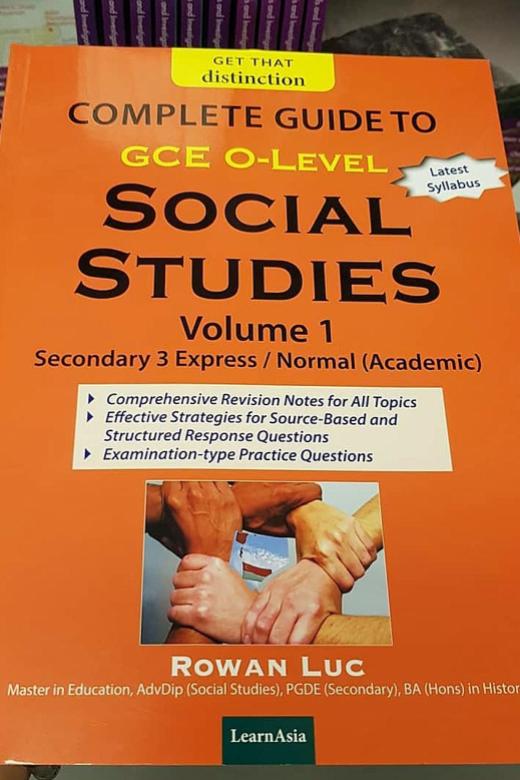
PHOTO: The cover of the social studies revision guide that upset netizens.
PHOTO: COURTESY OF AHMAD MATIN
Picture posted by Lucas Wong, Sue-ann Tan, The New Paper on 15 March 2018 at 06:00 am
https://blogger.googleusercontent.com/img/b/R29vZ2xl/AVvXsEhxztn_Cr3grHvHrZKxsL792tn54aEYAcwbU45QU4MYK5-i9P4FYM9Rc_Q_F08Pj41rIoJ_WHDO4w8JysVZsrUB01EVtO9vr_oO1XbMms4tiN-G3OlQJ977cUv4CLzRNWy1SW33azKwh68/s1600/NP_20180315_LWSOCI15NCXL_3835432.jpg
http://www.tnp.sg/sites/default/files/styles/large-portrait/public/articles/2018/03/15/NP_20180315_LWSOCI15NCXL_3835432.jpg?itok=JHEc96Rl
http://www.tnp.sg/news/singapore/social-studies-revision-guide-dropped-popular-bookstores
Netizens upset by social studies book suggesting poorer people 'use Singlish' and 'eat at hawker centres'.
PHOTO: COURTESY OF AHMAD MATIN
Picture posted by Lucas Wong, Sue-ann Tan, The New Paper on 15 March 2018 at 06:00 am
https://blogger.googleusercontent.com/img/b/R29vZ2xl/AVvXsEhxztn_Cr3grHvHrZKxsL792tn54aEYAcwbU45QU4MYK5-i9P4FYM9Rc_Q_F08Pj41rIoJ_WHDO4w8JysVZsrUB01EVtO9vr_oO1XbMms4tiN-G3OlQJ977cUv4CLzRNWy1SW33azKwh68/s1600/NP_20180315_LWSOCI15NCXL_3835432.jpg
http://www.tnp.sg/sites/default/files/styles/large-portrait/public/articles/2018/03/15/NP_20180315_LWSOCI15NCXL_3835432.jpg?itok=JHEc96Rl
http://www.tnp.sg/news/singapore/social-studies-revision-guide-dropped-popular-bookstores
Netizens upset by social studies book suggesting poorer people 'use Singlish' and 'eat at hawker centres'.
A social studies (SS) revision guide was taken off the shelves at major book retailer Popular yesterday after a backlash on social media.
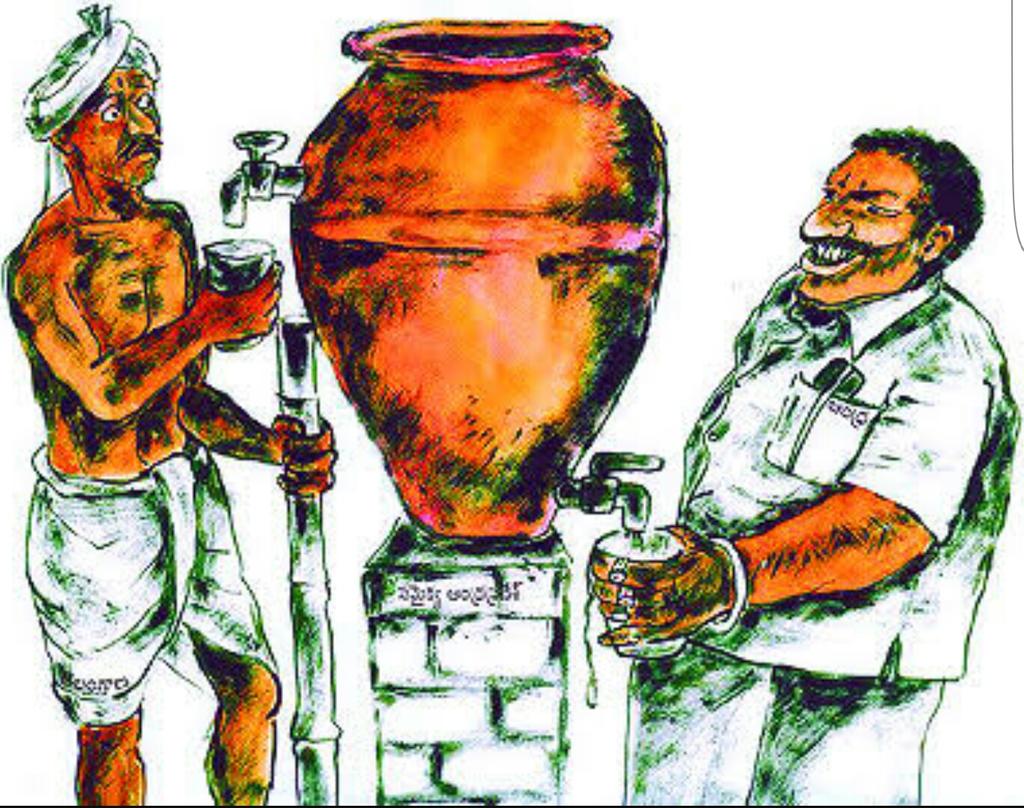
A table in the book had suggested that characteristics generally considered unique to Singaporeans, such as the "use of Singlish or different dialects", "eating at hawker centres" and "playing football at HDB estates", are choices made typically by people of lower socio-economic status (SES).

A table in the book had suggested that characteristics generally considered unique to Singaporeans, such as the "use of Singlish or different dialects", "eating at hawker centres" and "playing football at HDB estates", are choices made typically by people of lower socio-economic status (SES).
PHOTO: The book had suggested that characteristics generally considered unique to Singaporeans, such as the "use of Singlish or different dialects", "eating at hawker centres" and "playing football at HDB estates", are choices made typically by people of lower socio-economic status (SES).
Picture posted by Morris Pearl, Patriotic Millionaires Chairperson on 13 February 2018
https://blogger.googleusercontent.com/img/b/R29vZ2xl/AVvXsEg4n4GlBDIuNDFPYyQYMdUFs_icz_dfwHf2Fr0hzXHmT4vnZltefIjbE4HTh5qvmRfJ0lM1crY7R57ciyIg_wZ__4WfsmNfrJQl8ZuT686ZaWr_F4f66oWjZ3kVmeQkoHNqZGKRTvUFAEM/s1600/inequality-1.jpg
https://i1.wp.com/patrioticmillionaires.org/wp-content/uploads/inequality-1.jpg?fit=2000%2C1000&ssl=1
https://patrioticmillionaires.org/2018/02/13/we-dont-need-or-want-an-underclass-to-look-down-on/
In comparison, people of higher SES supposedly use "formal English in daily conversation" and enjoy "regular fine dining."

Picture posted by Morris Pearl, Patriotic Millionaires Chairperson on 13 February 2018
https://blogger.googleusercontent.com/img/b/R29vZ2xl/AVvXsEg4n4GlBDIuNDFPYyQYMdUFs_icz_dfwHf2Fr0hzXHmT4vnZltefIjbE4HTh5qvmRfJ0lM1crY7R57ciyIg_wZ__4WfsmNfrJQl8ZuT686ZaWr_F4f66oWjZ3kVmeQkoHNqZGKRTvUFAEM/s1600/inequality-1.jpg
https://i1.wp.com/patrioticmillionaires.org/wp-content/uploads/inequality-1.jpg?fit=2000%2C1000&ssl=1
https://patrioticmillionaires.org/2018/02/13/we-dont-need-or-want-an-underclass-to-look-down-on/
In comparison, people of higher SES supposedly use "formal English in daily conversation" and enjoy "regular fine dining."
PHOTO: People of higher SES supposedly use "formal English in daily conversation" and enjoy "regular fine dining."
Be honest now... do you believe you're superior to most humans?
Picture posted by Ayer3
https://blogger.googleusercontent.com/img/b/R29vZ2xl/AVvXsEiPp4AIA3cpML11QDTSuhKkVjDkHnqoSi4UGglNJ-6BNN4WkuIpZ7gFEz1igNtDT9ioXOl7BfjdD4tCSJJJViXX_e7XqPSbJDBcYfg3e26EQ0e5zydx-gskqJaMLn460ahhxeYaAX1venA/s1600/31c00f22-dbaa-49ad-a6bd-91a51e247d65.jpg
https://cf.girlsaskguys.com/q2864655/31c00f22-dbaa-49ad-a6bd-91a51e247d65.jpg
https://www.girlsaskguys.com/religion-spirituality/q2864655-be-honest-now-do-you-believe-you-re-superior-to-most-humans
Images of the revision guide, titled the Complete Guide To GCE O-Level Social Studies Volume 1 by Rowan Luc, were posted on Facebook and went viral with more than 5,000 shares.
When The New Paper went to a Popular outlet, the book was no longer on sale and a worker there said she believed it had been withdrawn on the directive of the distributor.
When contacted, MarketAsia Books denied this was the case. However, it admitted to temporarily taking down the link to purchase the book on its website.
Netizens were particularly incensed by the way the book appeared to have stereotyped people in the two socio-economic groups.
Facebook user Ariel Chua commented: "Why should the food someone prefers to eat determine his or her socio-economic status? Living in HDB (flats) is an indication of low socio-economic status. Really?"
Mr Ahmad Matin, 44, who works in a financial consulting firm and posted the images of the book on Facebook, told TNP: "I am appalled that such stereotypical views can be published in a guidebook for kids, who will surely get the wrong idea."
He found out about the book from a friend who sent him the images on WhatsApp. He then went to a Popular bookstore to verify it.
Mr Ahmad added: "It doesn't reflect well on the author's credentials, because by not substantiating his claims, he is doing the same thing (in the book) that he is teaching students not to do."
A social studies teacher, who declined to be named, said that teaching students about society and inequality is good, "but the idea and the way it is being articulated in the book, less so".
He added that the examples given in the book were too simplistic and over-generalised, and he would have preferred that access to resources was used instead as an indicator.
The guidebook does mention the concerns of different socio-economic groups, which include finding enough financial resources to meet their daily needs.
The book added: "There are growing concerns that the income levels between the high- and low-socio-economic status groups are growing too wide."

Be honest now... do you believe you're superior to most humans?
Picture posted by Ayer3
https://blogger.googleusercontent.com/img/b/R29vZ2xl/AVvXsEiPp4AIA3cpML11QDTSuhKkVjDkHnqoSi4UGglNJ-6BNN4WkuIpZ7gFEz1igNtDT9ioXOl7BfjdD4tCSJJJViXX_e7XqPSbJDBcYfg3e26EQ0e5zydx-gskqJaMLn460ahhxeYaAX1venA/s1600/31c00f22-dbaa-49ad-a6bd-91a51e247d65.jpg
https://cf.girlsaskguys.com/q2864655/31c00f22-dbaa-49ad-a6bd-91a51e247d65.jpg
https://www.girlsaskguys.com/religion-spirituality/q2864655-be-honest-now-do-you-believe-you-re-superior-to-most-humans
Images of the revision guide, titled the Complete Guide To GCE O-Level Social Studies Volume 1 by Rowan Luc, were posted on Facebook and went viral with more than 5,000 shares.
When The New Paper went to a Popular outlet, the book was no longer on sale and a worker there said she believed it had been withdrawn on the directive of the distributor.
When contacted, MarketAsia Books denied this was the case. However, it admitted to temporarily taking down the link to purchase the book on its website.
Netizens were particularly incensed by the way the book appeared to have stereotyped people in the two socio-economic groups.
Facebook user Ariel Chua commented: "Why should the food someone prefers to eat determine his or her socio-economic status? Living in HDB (flats) is an indication of low socio-economic status. Really?"
Mr Ahmad Matin, 44, who works in a financial consulting firm and posted the images of the book on Facebook, told TNP: "I am appalled that such stereotypical views can be published in a guidebook for kids, who will surely get the wrong idea."
He found out about the book from a friend who sent him the images on WhatsApp. He then went to a Popular bookstore to verify it.
Mr Ahmad added: "It doesn't reflect well on the author's credentials, because by not substantiating his claims, he is doing the same thing (in the book) that he is teaching students not to do."
A social studies teacher, who declined to be named, said that teaching students about society and inequality is good, "but the idea and the way it is being articulated in the book, less so".
He added that the examples given in the book were too simplistic and over-generalised, and he would have preferred that access to resources was used instead as an indicator.
The guidebook does mention the concerns of different socio-economic groups, which include finding enough financial resources to meet their daily needs.
The book added: "There are growing concerns that the income levels between the high- and low-socio-economic status groups are growing too wide."
PHOTO: The book added: "There are growing concerns that the income levels between the high- and low-socio-economic status groups are growing too wide."
Picture posted by sachin makde@sachinmakde61 on 22 March 2017
https://blogger.googleusercontent.com/img/b/R29vZ2xl/AVvXsEjrDBKLqeRnGZHgoCLlBoG00wK5CU_zDR0Hl90ZL5E8VvQYBZ8zz8JSETLvKNzkvUaks0lFQjNU-oDcEkxkzPhrmvjdyE7sqdv32id3Ie9KDAxKUIqgg-zCoYEnSUV4JtVYYZac1CayLRw/s1600/C7hV6QOXQAAfcpM.jpg
https://pbs.twimg.com/media/C7hV6QOXQAAfcpM.jpg
https://twitter.com/sachinmakde61
Mr Christopher Yap, executive director of MarketAsia Books, defended the book by saying that people need to "read the whole chapter to gain a more holistic and accurate picture".
He added: "The table has to be read in context of the whole chapter, which discusses crucial themes pertaining to Singapore's social mobility and inequality issues.
"This is also in line with the same approach highlighted in several other official and approved SS textbooks on this theme."
SES is part of a larger topic in the SS syllabus, called Living in a Diverse Society.
The topic aims to help students "accept, respect and celebrate diversity", according to the Ministry of Education's (MOE) website.
In response to the Facebook post, MOE said the book is not on its list of approved textbooks.
"Commercial learning materials approved by MOE will bear the Ministry's stamp of approval on their front cover or inside the book," it added.

Picture posted by sachin makde@sachinmakde61 on 22 March 2017
https://blogger.googleusercontent.com/img/b/R29vZ2xl/AVvXsEjrDBKLqeRnGZHgoCLlBoG00wK5CU_zDR0Hl90ZL5E8VvQYBZ8zz8JSETLvKNzkvUaks0lFQjNU-oDcEkxkzPhrmvjdyE7sqdv32id3Ie9KDAxKUIqgg-zCoYEnSUV4JtVYYZac1CayLRw/s1600/C7hV6QOXQAAfcpM.jpg
https://pbs.twimg.com/media/C7hV6QOXQAAfcpM.jpg
https://twitter.com/sachinmakde61
Mr Christopher Yap, executive director of MarketAsia Books, defended the book by saying that people need to "read the whole chapter to gain a more holistic and accurate picture".
He added: "The table has to be read in context of the whole chapter, which discusses crucial themes pertaining to Singapore's social mobility and inequality issues.
"This is also in line with the same approach highlighted in several other official and approved SS textbooks on this theme."
SES is part of a larger topic in the SS syllabus, called Living in a Diverse Society.
The topic aims to help students "accept, respect and celebrate diversity", according to the Ministry of Education's (MOE) website.
In response to the Facebook post, MOE said the book is not on its list of approved textbooks.
"Commercial learning materials approved by MOE will bear the Ministry's stamp of approval on their front cover or inside the book," it added.
PHOTO: Experts say language and food are not indicators of social class
Socio-economic status (SES) can be indicated by things such as access to resources or income, rather than eating in hawker centres and speaking Singlish, say experts.
Picture posted by Lucas Wong, Sue-ann Tan, The New Paper on 15 March 2018 at 06:00 am
https://blogger.googleusercontent.com/img/b/R29vZ2xl/AVvXsEg4e4LWSj9l-IUogZsedsWa11mjuoyNh-J8l5EZEvX1ogobCHUIFxaluJmS8YGjKXWxERlTKR5ocdr7_H4NPBczlnfbQlDilY0mIzAtEP1XqOHgDdsoVU2hB4rO7V9fwsxgxgz7ed5CpqQ/s1600/NP_20180315_LWSOCI15_3835430.jpg
http://www.tnp.sg/sites/default/files/styles/large/public/articles/2018/03/15/NP_20180315_LWSOCI15_3835430.jpg?itok=rAI924aN
http://www.tnp.sg/news/singapore/social-studies-revision-guide-dropped-popular-bookstores
Socio-economic status (SES) can be indicated by things such as access to resources or income, rather than eating in hawker centres and speaking Singlish, say experts.
This follows an outcry online over a social studies guidebook that suggested language usage in daily conversation and choice of eating places could reveal a person's socio-economic status.
This suggestion departs from the Secondary 3 textbook used in schools, which states that those of higher socio-economic status "generally have better houses, food, holidays and modes of transport".
And those in the middle socio-economic group are "usually 'white-collared' workers", while those of lower socio-economic status "generally take on jobs that require manual labour or jobs that do not require much skill".
National University of Singapore sociologist Tan Ern Ser told The New Paper that usual indicators of social groups in sociology research include income, house type, education, occupation and, if available, wealth.
These indicators were also mentioned in the guidebook before the section that mentions language and food. Dr Tan said: "Language used, eating at hawker centres and playing football are not indicators, even if they are correlated with income."
He added: "I don't think there is anything morally right or wrong here, but what is important is whether there is indeed a causal relationship between income and the variables here.
"Finding a statistical correlation does not in itself mean they have found a causal relationship.
"Usually, we use neutral language and we don't use the findings to harm any social categories. If anything, we seek to uplift the conditions facing disadvantaged groups."

Socio-economic status (SES) can be indicated by things such as access to resources or income, rather than eating in hawker centres and speaking Singlish, say experts.
Picture posted by Lucas Wong, Sue-ann Tan, The New Paper on 15 March 2018 at 06:00 am
https://blogger.googleusercontent.com/img/b/R29vZ2xl/AVvXsEg4e4LWSj9l-IUogZsedsWa11mjuoyNh-J8l5EZEvX1ogobCHUIFxaluJmS8YGjKXWxERlTKR5ocdr7_H4NPBczlnfbQlDilY0mIzAtEP1XqOHgDdsoVU2hB4rO7V9fwsxgxgz7ed5CpqQ/s1600/NP_20180315_LWSOCI15_3835430.jpg
http://www.tnp.sg/sites/default/files/styles/large/public/articles/2018/03/15/NP_20180315_LWSOCI15_3835430.jpg?itok=rAI924aN
http://www.tnp.sg/news/singapore/social-studies-revision-guide-dropped-popular-bookstores
Socio-economic status (SES) can be indicated by things such as access to resources or income, rather than eating in hawker centres and speaking Singlish, say experts.
This follows an outcry online over a social studies guidebook that suggested language usage in daily conversation and choice of eating places could reveal a person's socio-economic status.
This suggestion departs from the Secondary 3 textbook used in schools, which states that those of higher socio-economic status "generally have better houses, food, holidays and modes of transport".
And those in the middle socio-economic group are "usually 'white-collared' workers", while those of lower socio-economic status "generally take on jobs that require manual labour or jobs that do not require much skill".
National University of Singapore sociologist Tan Ern Ser told The New Paper that usual indicators of social groups in sociology research include income, house type, education, occupation and, if available, wealth.
These indicators were also mentioned in the guidebook before the section that mentions language and food. Dr Tan said: "Language used, eating at hawker centres and playing football are not indicators, even if they are correlated with income."
He added: "I don't think there is anything morally right or wrong here, but what is important is whether there is indeed a causal relationship between income and the variables here.
"Finding a statistical correlation does not in itself mean they have found a causal relationship.
"Usually, we use neutral language and we don't use the findings to harm any social categories. If anything, we seek to uplift the conditions facing disadvantaged groups."
PHOTO: Usual indicators of social groups in sociology research include income, house type, education, occupation and, if available, wealth. Language used, eating at hawker centres and playing football are not indicators, even if they are correlated with income.
Finding a statistical correlation does not in itself mean they have found a causal relationship. Usually, we use neutral language and we don't use the findings to harm any social categories. If anything, we seek to uplift the conditions facing disadvantaged groups.
Finding a statistical correlation does not in itself mean they have found a causal relationship. Usually, we use neutral language and we don't use the findings to harm any social categories. If anything, we seek to uplift the conditions facing disadvantaged groups.
Secondary 3 textbook used in schools states that those of higher socio-economic status "generally have better houses, food, holidays and modes of transport".
Picture posted by KFC on 15 March 2016 at 11:40 pm
https://blogger.googleusercontent.com/img/b/R29vZ2xl/AVvXsEhrkEbe5l5yyS27zf8NzzM_VqGaxLinuatQTLP3479RcorYa6IqLtoiQXwSur-UQdp8GsbpbUbq57gXIRzkXO0gO9fiI1xbiM1K8EYyJ5lJ541xTl2SHsl69MfSIUzPJFI9NOxif6y0IOI/s1600/Screen-Shot-2016-03-15-at-10.37.36-AM.png
https://cdn.barstoolsports.net/wp-content/uploads/2016/03/15/Screen-Shot-2016-03-15-at-10.37.36-AM.png
https://www.barstoolsports.com/newyork/indian-dude-tries-to-be-cool-and-dodge-an-oncoming-train/
Links
https://blogger.googleusercontent.com/img/b/R29vZ2xl/AVvXsEhrkEbe5l5yyS27zf8NzzM_VqGaxLinuatQTLP3479RcorYa6IqLtoiQXwSur-UQdp8GsbpbUbq57gXIRzkXO0gO9fiI1xbiM1K8EYyJ5lJ541xTl2SHsl69MfSIUzPJFI9NOxif6y0IOI/s1600/Screen-Shot-2016-03-15-at-10.37.36-AM.png
https://cdn.barstoolsports.net/wp-content/uploads/2016/03/15/Screen-Shot-2016-03-15-at-10.37.36-AM.png
https://www.barstoolsports.com/newyork/indian-dude-tries-to-be-cool-and-dodge-an-oncoming-train/
By Lucas Wong, Sue-ann Tan, The New Paper, 15 March 2018 at 06:00 am
Get The New Paper on your phone with the free TNP app. Download from the Apple App Store or Google Play Store now
Get The New Paper on your phone with the free TNP app. Download from the Apple App Store or Google Play Store now
Reference
[1] Lucas Wong, Sue-ann Tan, The New Paper, Social studies revision guide dropped by Popular bookstores, posted on 15 March 2018 at 06:00 am, http://www.tnp.sg/news/singapore/social-studies-revision-guide-dropped-popular-bookstoresLinks
Apple App Store - https://itunes.apple.com/sg/app/the-new-paper/id949361491?mt=8
Google Play Store - https://play.google.com/store/apps/details?id=com.sph.mypaperpdf&hl=en
Google Play Store - https://play.google.com/store/apps/details?id=com.sph.mypaperpdf&hl=en
- https://blogger.googleusercontent.com/img/b/R29vZ2xl/AVvXsEhxztn_Cr3grHvHrZKxsL792tn54aEYAcwbU45QU4MYK5-i9P4FYM9Rc_Q_F08Pj41rIoJ_WHDO4w8JysVZsrUB01EVtO9vr_oO1XbMms4tiN-G3OlQJ977cUv4CLzRNWy1SW33azKwh68/s1600/NP_20180315_LWSOCI15NCXL_3835432.jpg
- http://www.tnp.sg/sites/default/files/styles/large-portrait/public/articles/2018/03/15/NP_20180315_LWSOCI15NCXL_3835432.jpg?itok=JHEc96Rl
- http://www.tnp.sg/news/singapore/social-studies-revision-guide-dropped-popular-bookstores
- https://blogger.googleusercontent.com/img/b/R29vZ2xl/AVvXsEg4n4GlBDIuNDFPYyQYMdUFs_icz_dfwHf2Fr0hzXHmT4vnZltefIjbE4HTh5qvmRfJ0lM1crY7R57ciyIg_wZ__4WfsmNfrJQl8ZuT686ZaWr_F4f66oWjZ3kVmeQkoHNqZGKRTvUFAEM/s1600/inequality-1.jpg
- https://i1.wp.com/patrioticmillionaires.org/wp-content/uploads/inequality-1.jpg?fit=2000%2C1000&ssl=1
- https://patrioticmillionaires.org/2018/02/13/we-dont-need-or-want-an-underclass-to-look-down-on/
- https://blogger.googleusercontent.com/img/b/R29vZ2xl/AVvXsEiPp4AIA3cpML11QDTSuhKkVjDkHnqoSi4UGglNJ-6BNN4WkuIpZ7gFEz1igNtDT9ioXOl7BfjdD4tCSJJJViXX_e7XqPSbJDBcYfg3e26EQ0e5zydx-gskqJaMLn460ahhxeYaAX1venA/s1600/31c00f22-dbaa-49ad-a6bd-91a51e247d65.jpg
- https://cf.girlsaskguys.com/q2864655/31c00f22-dbaa-49ad-a6bd-91a51e247d65.jpg
- https://www.girlsaskguys.com/religion-spirituality/q2864655-be-honest-now-do-you-believe-you-re-superior-to-most-humans
- https://blogger.googleusercontent.com/img/b/R29vZ2xl/AVvXsEjrDBKLqeRnGZHgoCLlBoG00wK5CU_zDR0Hl90ZL5E8VvQYBZ8zz8JSETLvKNzkvUaks0lFQjNU-oDcEkxkzPhrmvjdyE7sqdv32id3Ie9KDAxKUIqgg-zCoYEnSUV4JtVYYZac1CayLRw/s1600/C7hV6QOXQAAfcpM.jpg
- https://pbs.twimg.com/media/C7hV6QOXQAAfcpM.jpg
- https://twitter.com/sachinmakde61
- https://blogger.googleusercontent.com/img/b/R29vZ2xl/AVvXsEg4e4LWSj9l-IUogZsedsWa11mjuoyNh-J8l5EZEvX1ogobCHUIFxaluJmS8YGjKXWxERlTKR5ocdr7_H4NPBczlnfbQlDilY0mIzAtEP1XqOHgDdsoVU2hB4rO7V9fwsxgxgz7ed5CpqQ/s1600/NP_20180315_LWSOCI15_3835430.jpg
- http://www.tnp.sg/sites/default/files/styles/large/public/articles/2018/03/15/NP_20180315_LWSOCI15_3835430.jpg?itok=rAI924aN
- http://www.tnp.sg/news/singapore/social-studies-revision-guide-dropped-popular-bookstores
- https://blogger.googleusercontent.com/img/b/R29vZ2xl/AVvXsEhrkEbe5l5yyS27zf8NzzM_VqGaxLinuatQTLP3479RcorYa6IqLtoiQXwSur-UQdp8GsbpbUbq57gXIRzkXO0gO9fiI1xbiM1K8EYyJ5lJ541xTl2SHsl69MfSIUzPJFI9NOxif6y0IOI/s1600/Screen-Shot-2016-03-15-at-10.37.36-AM.png
- https://cdn.barstoolsports.net/wp-content/uploads/2016/03/15/Screen-Shot-2016-03-15-at-10.37.36-AM.png
- https://www.barstoolsports.com/newyork/indian-dude-tries-to-be-cool-and-dodge-an-oncoming-train/


 Posts
Posts












.jpg)
.gif)