By Nutrition & Dietetics Department, Khoo Teck Puat Hospital

PHOTO: Paleo food pyramid
Source: Singapore Health Promotion Board
https://blogger.googleusercontent.com/img/b/R29vZ2xl/AVvXsEjSShob6iAh3nYZIXLgq1hBSAJWE-TR5KucOuuTOs84pJme_KtigTfwMZz3JBUZIvVTBb3qXdOOO7oNseTd11Y-qHHx9hZ9xNPNfVILqgdPyuXkCBEBx0XN3FWbXCWNC8qsUhPlRRn40_s/s1600/healthy-diet-pyramid.jpgSource: Singapore Health Promotion Board
http://paleorina.com/wp-content/uploads/2013/06/healthy-diet-pyramid.jpg?w=500
http://paleorina.com/paleo-food-pyramid/
What is Potassium?
- An important mineral that mainly regulates normal function of our muscles (including heart) and nerves.
- Found in many foods such as fruits, vegetables, wholegrains, milk and diary.
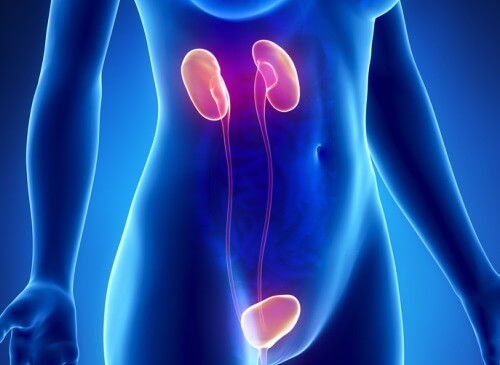
- Blood potassium level is regulated by your kidney through urine and maintained at the range of 3.5 to 5.1 mmol/L.

PHOTO: Function of our Heart
Posted by Portal Zdrowia Seksualnego on 01 August 2014
https://blogger.googleusercontent.com/img/b/R29vZ2xl/AVvXsEgoRuw__Q94Z9HX_wC-UubLEa28VjUfGyKRLNijkowXuVqovKlMWPgSGcKuQzVs6oF_RiW1t_nzxoNT1BMBJEgCnVA4NRZP16YfAyEUTEcDNqD7rzqQPkpCaKY4rJhAtPhaFC3wRLl3xPM/s1600/Depositphotos_3274771_m.jpg
http://portalzdrowiaseksualnego.pl/wp-content/uploads/2014/05/Depositphotos_3274771_m.jpg
http://portalzdrowiaseksualnego.pl/czterdziesci/zawal-serca-seks-emocje/
Hyperkalaemia (High potassium in the blood)
- May happen to people with chronic kidney disease and those on certain medications for blood pressure.
- It will interfere with our muscle functions, including heart muscles which may lead to irregular heart beat.
- Under the direction of the clinician, limit the amount of potassium in the diet to keep the potassium level close to normal.
How diet may help you maintain your blood potassium level within the normal range?
Tip #1: Eat a healthy balanced diet with limited intake of high potassium foods and drinks.
Tip #2: Enjoy 2 serves each of fruits and vegetables. Watch your portion sizes because excessive intake of fruits may lead to high potassium level in e.g. fruit/vegetables juices.
Tip #3: Potassium is easily leeched out into the water. To do this, try,
1. Cut your vegetables into smaller pieces, then
2. (a) Soak in water for at least 2 hours → drain away water before cooking → boil in plenty of water for 10 to 15 minutes (OR)
(b) Boil in plenty of water for 10 to 15 minutes → drain away water after cooking → repeat the boiling again
Remember do not use the same water to make soup or gravy
Tip #4: Do not use potassium-rich salt e.g. PanSalt and Losalt. Use more herbs and spices to enhance the flavours of your foods.

PHOTO: Fruit Potassium per serving
Source: Nutrition & Dietetics Department, Khoo Teck Puat Hospital
https://blogger.googleusercontent.com/img/b/R29vZ2xl/AVvXsEhcCMKeSLbi1EPwvuFYYpnUb7Jy4XNNMpJybHjv0TCUDUxMjSt4ikuayQEcou_lwT1sXOuHuHBpf7YkwI7E7d8cu6ClOCiiXkCxlPodv6z_R8vsjOavvtinJtIrt987R6paSY6wx_oeuE4/s1600/Fruit+potassium+per+serve.jpg

Source: Nutrition & Dietetics Department, Khoo Teck Puat Hospital
https://blogger.googleusercontent.com/img/b/R29vZ2xl/AVvXsEhcCMKeSLbi1EPwvuFYYpnUb7Jy4XNNMpJybHjv0TCUDUxMjSt4ikuayQEcou_lwT1sXOuHuHBpf7YkwI7E7d8cu6ClOCiiXkCxlPodv6z_R8vsjOavvtinJtIrt987R6paSY6wx_oeuE4/s1600/Fruit+potassium+per+serve.jpg
PHOTO: Vegetable Potassium per serving
Source: Nutrition & Dietetics Department, Khoo Teck Puat Hospital
https://blogger.googleusercontent.com/img/b/R29vZ2xl/AVvXsEhLYglgj_D4HeqCCnrQj4HV87L7BNn55MUuOIRt5qHH-6pSFMptQ3MezIBustn33jSYEghzuNxw31O134tuAXzLiTxF4zLWnEJEOR1Mr1U0zs8F3FMJ_BAv2G_DOSLHu7ninHSXHOeHCuY/s1600/Vegetable+potassium+per+serve.jpg

Source: Nutrition & Dietetics Department, Khoo Teck Puat Hospital
https://blogger.googleusercontent.com/img/b/R29vZ2xl/AVvXsEhLYglgj_D4HeqCCnrQj4HV87L7BNn55MUuOIRt5qHH-6pSFMptQ3MezIBustn33jSYEghzuNxw31O134tuAXzLiTxF4zLWnEJEOR1Mr1U0zs8F3FMJ_BAv2G_DOSLHu7ninHSXHOeHCuY/s1600/Vegetable+potassium+per+serve.jpg
PHOTO: Beverage and others Potassium per serving
Source: Nutrition & Dietetics Department, Khoo Teck Puat Hospital
https://blogger.googleusercontent.com/img/b/R29vZ2xl/AVvXsEgZRaxJ80oDbm7GCU8g_kUUyiBekQK13mv8VSHax3QjbkN1YIl50ciH01YTubEywJn2E3bzoLDQwTYpBGO1Nevuuraj_2UPUahm_1PKk4e3riV1cFEfvromVouIoCqpftK3CM8B3h7SFfE/s1600/Beverage+and+others+potassium+per+serve.jpg

Source: Nutrition & Dietetics Department, Khoo Teck Puat Hospital
https://blogger.googleusercontent.com/img/b/R29vZ2xl/AVvXsEgZRaxJ80oDbm7GCU8g_kUUyiBekQK13mv8VSHax3QjbkN1YIl50ciH01YTubEywJn2E3bzoLDQwTYpBGO1Nevuuraj_2UPUahm_1PKk4e3riV1cFEfvromVouIoCqpftK3CM8B3h7SFfE/s1600/Beverage+and+others+potassium+per+serve.jpg
PHOTO: Simple Ways to Reduce Salt intake in Your Diet - Tips 1&2.jpg
Source: Nutrition & Dietetics Department, Khoo Teck Puat Hospital
https://blogger.googleusercontent.com/img/b/R29vZ2xl/AVvXsEg5t_PzQT0oGUeeU1A-ZIBOZzuT6ZOnQ8r1qjRTTO_PpylvsTPKmO6IsyIKTIPwW_qgW9zuLX5Lezylz_ugLkq4HRR-AEcmq7AHTQRRVutgllG3Ruq8ySSyL1-ZzX3hOUCFxsQxuZRuhzs/s1600/Simple+ways+to+reduce+salt+intake+in+your+diet+-+Tips+1%25262.jpg
Source: Nutrition & Dietetics Department, Khoo Teck Puat Hospital
https://blogger.googleusercontent.com/img/b/R29vZ2xl/AVvXsEg5t_PzQT0oGUeeU1A-ZIBOZzuT6ZOnQ8r1qjRTTO_PpylvsTPKmO6IsyIKTIPwW_qgW9zuLX5Lezylz_ugLkq4HRR-AEcmq7AHTQRRVutgllG3Ruq8ySSyL1-ZzX3hOUCFxsQxuZRuhzs/s1600/Simple+ways+to+reduce+salt+intake+in+your+diet+-+Tips+1%25262.jpg

Source: Nutrition & Dietetics Department, Khoo Teck Puat Hospital
https://blogger.googleusercontent.com/img/b/R29vZ2xl/AVvXsEgWkRIP9IzxbkVrIQHF4RZO0Q12aaXeaeh2E_5TXQBOf_jKpnFVDMIlES3VaJ45LZtuYtK4Mmds5ejzfx8NeaXL2wd27fyN_QlqH4Al52J5C-ZTin-yNHISUGJ2gPQX4Xfx-2oDfynk714/s1600/Simple+ways+to+reduce+salt+intake+in+your+diet+-+Tips+3-6.jpg
By Nutrition & Dietetics Department, Khoo Teck Puat Hospital
Rev WN, GT, PW / 1111
This information is for educational purpose only. This is not intended for use in the diagnosis or treatment of any health condition without consulting a qualified healthcare professional. Khoo Teck Puat Hospital shall not be responsible for any injury nor damage caused to any individual as a result of using this information, directly or indirectly. You should seek the advice of your healthcare professionals in relation to queries pertaining to any health condition. Please contact Khoo Teck Puat Hospital at (65) 6555 8828 if you wish to make an appointment to consult with our dietitians or pharmacists. You may download and print this information for your personal use only. You may not reproduce, distribute, modify, transmit, post, or otherwise use this content for public or commercial purposes without prior written permission from the Nutrition & Dietetics Department Khoo Teck Puat Hospital. All rights reserved. © Nutrition & Dietetics Department
Reference
- https://blogger.googleusercontent.com/img/b/R29vZ2xl/AVvXsEjSShob6iAh3nYZIXLgq1hBSAJWE-TR5KucOuuTOs84pJme_KtigTfwMZz3JBUZIvVTBb3qXdOOO7oNseTd11Y-qHHx9hZ9xNPNfVILqgdPyuXkCBEBx0XN3FWbXCWNC8qsUhPlRRn40_s/s1600/healthy-diet-pyramid.jpg
- http://paleorina.com/wp-content/uploads/2013/06/healthy-diet-pyramid.jpg?w=500
- http://paleorina.com/paleo-food-pyramid/
- https://blogger.googleusercontent.com/img/b/R29vZ2xl/AVvXsEgoRuw__Q94Z9HX_wC-UubLEa28VjUfGyKRLNijkowXuVqovKlMWPgSGcKuQzVs6oF_RiW1t_nzxoNT1BMBJEgCnVA4NRZP16YfAyEUTEcDNqD7rzqQPkpCaKY4rJhAtPhaFC3wRLl3xPM/s1600/Depositphotos_3274771_m.jpg
- http://portalzdrowiaseksualnego.pl/wp-content/uploads/2014/05/Depositphotos_3274771_m.jpg
- http://portalzdrowiaseksualnego.pl/czterdziesci/zawal-serca-seks-emocje/
- https://blogger.googleusercontent.com/img/b/R29vZ2xl/AVvXsEhcCMKeSLbi1EPwvuFYYpnUb7Jy4XNNMpJybHjv0TCUDUxMjSt4ikuayQEcou_lwT1sXOuHuHBpf7YkwI7E7d8cu6ClOCiiXkCxlPodv6z_R8vsjOavvtinJtIrt987R6paSY6wx_oeuE4/s1600/Fruit+potassium+per+serve.jpg
- https://blogger.googleusercontent.com/img/b/R29vZ2xl/AVvXsEhLYglgj_D4HeqCCnrQj4HV87L7BNn55MUuOIRt5qHH-6pSFMptQ3MezIBustn33jSYEghzuNxw31O134tuAXzLiTxF4zLWnEJEOR1Mr1U0zs8F3FMJ_BAv2G_DOSLHu7ninHSXHOeHCuY/s1600/Vegetable+potassium+per+serve.jpg
- https://blogger.googleusercontent.com/img/b/R29vZ2xl/AVvXsEgZRaxJ80oDbm7GCU8g_kUUyiBekQK13mv8VSHax3QjbkN1YIl50ciH01YTubEywJn2E3bzoLDQwTYpBGO1Nevuuraj_2UPUahm_1PKk4e3riV1cFEfvromVouIoCqpftK3CM8B3h7SFfE/s1600/Beverage+and+others+potassium+per+serve.jpg
- https://blogger.googleusercontent.com/img/b/R29vZ2xl/AVvXsEg5t_PzQT0oGUeeU1A-ZIBOZzuT6ZOnQ8r1qjRTTO_PpylvsTPKmO6IsyIKTIPwW_qgW9zuLX5Lezylz_ugLkq4HRR-AEcmq7AHTQRRVutgllG3Ruq8ySSyL1-ZzX3hOUCFxsQxuZRuhzs/s1600/Simple+ways+to+reduce+salt+intake+in+your+diet+-+Tips+1%25262.jpg
- https://blogger.googleusercontent.com/img/b/R29vZ2xl/AVvXsEgWkRIP9IzxbkVrIQHF4RZO0Q12aaXeaeh2E_5TXQBOf_jKpnFVDMIlES3VaJ45LZtuYtK4Mmds5ejzfx8NeaXL2wd27fyN_QlqH4Al52J5C-ZTin-yNHISUGJ2gPQX4Xfx-2oDfynk714/s1600/Simple+ways+to+reduce+salt+intake+in+your+diet+-+Tips+3-6.jpg


 Posts
Posts













.jpg)
.gif)